What Test Should I Do If I Had Fever From Last 3 Days

Essential Tests and Investigations for Diagnosing High Cholesterol
May 6, 2026
Food Intolerance Symptoms Signs Causes And When To Get Tested
May 23, 2026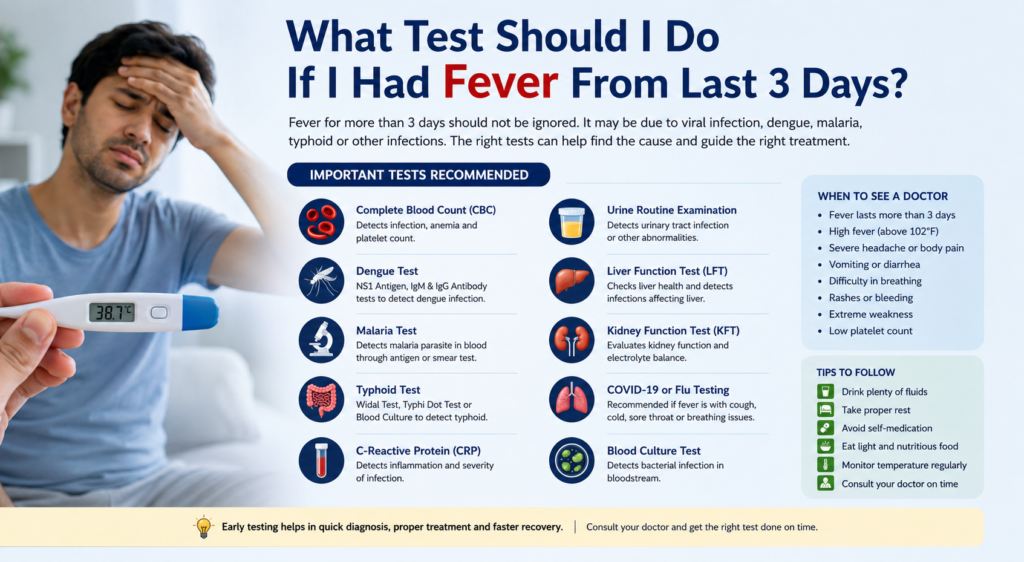
Fever is one of the most common symptoms people experience during infections and illnesses. While mild fever for a day may not always be serious, having fever continuously for three days should not be ignored blood test Lab in gurgaon Persistent fever can indicate viral infections, bacterial infections, dengue, typhoid, malaria, flu, or other medical conditions that require proper diagnosis and timely treatment.
As a pathology lab, we often see patients who delay testing and medication, which can sometimes worsen the condition. Early diagnosis through the right laboratory tests helps doctors identify the exact cause of fever and begin the correct treatment quickly.
In this article, we will explain which tests are commonly recommended if you have had fever for the last three days, why these tests are important, and when you should visit a pathology laboratory immediately.
Why Persistent Fever Should Not Be Ignored
Fever is usually the body’s natural response to infection. However, if it lasts for more than 72 hours, it may indicate an underlying infection or inflammation that needs medical attention.
Common symptoms that may occur along with fever include:
- Body pain
- Headache
- Weakness
- Chills
- Vomiting
- Cough or cold
- Joint pain
- Loss of appetite
- Stomach discomfort
- Fatigue
In some cases, fever may be caused by seasonal viral infections, while in others it may be due to serious diseases such as dengue, malaria, typhoid, or respiratory infections.
Proper pathology testing helps determine the exact reason behind the fever.
Important Tests Recommended After 3 Days of Fever
The following laboratory tests are commonly advised by doctors when fever continues for three days or more.
Complete Blood Count (CBC)
A Complete Blood Count or CBC test is one of the first and most important tests recommended for fever.
This test helps evaluate:
- White blood cell count
- Platelet count
- Hemoglobin level
- Red blood cells
- Infection indicators
CBC helps doctors identify whether the infection is viral or bacterial. It also helps detect low platelet count, which is commonly seen in dengue fever.
A CBC test is quick, affordable, and highly useful in understanding the severity of infection.
Dengue Test
In many regions, dengue cases increase during monsoon and seasonal weather changes. If fever is associated with body pain, headache, weakness, or low platelets, doctors may recommend a dengue test.
Common dengue tests include:
- Dengue NS1 Antigen Test
- Dengue IgM Antibody Test
- Dengue IgG Antibody Test
Early detection of dengue is very important because platelet levels may drop rapidly if the disease is not monitored properly.
Malaria Test
Malaria is another common cause of prolonged fever, especially if fever comes with chills and sweating.
Common malaria tests include:
- Malaria Parasite Test
- Rapid Malaria Antigen Test
A malaria infection should be diagnosed early because delayed treatment may lead to complications.
Typhoid Test
Typhoid fever often develops gradually and may continue for several days with weakness and stomach discomfort.
Common tests for typhoid include:
- Widal Test
- Typhi Dot Test
- Blood Culture
Typhoid symptoms may include:
- Continuous fever
- Stomach pain
- Weakness
- Constipation or diarrhea
- Loss of appetite
A proper laboratory diagnosis helps confirm the infection and guides appropriate treatment.
C-Reactive Protein (CRP) Test
The CRP test measures inflammation in the body. High CRP levels may indicate bacterial infection or severe inflammation.
Doctors often recommend this test to understand the severity of infection and monitor recovery.
Urine Routine Examination
Sometimes fever may be linked to urinary tract infections, especially in women, elderly patients, or people experiencing burning urination.
Urine routine tests help identify:
- Infection
- Pus cells
- Bacteria
- Kidney-related issues
This test is simple but important in diagnosing hidden infections.
Liver Function Test (LFT)
Certain infections such as dengue, hepatitis, and typhoid can affect liver function.
Liver Function Tests help evaluate:
- Bilirubin levels
- Liver enzymes
- Protein levels
If a patient experiences weakness, vomiting, or yellowish eyes along with fever, LFT may be advised.
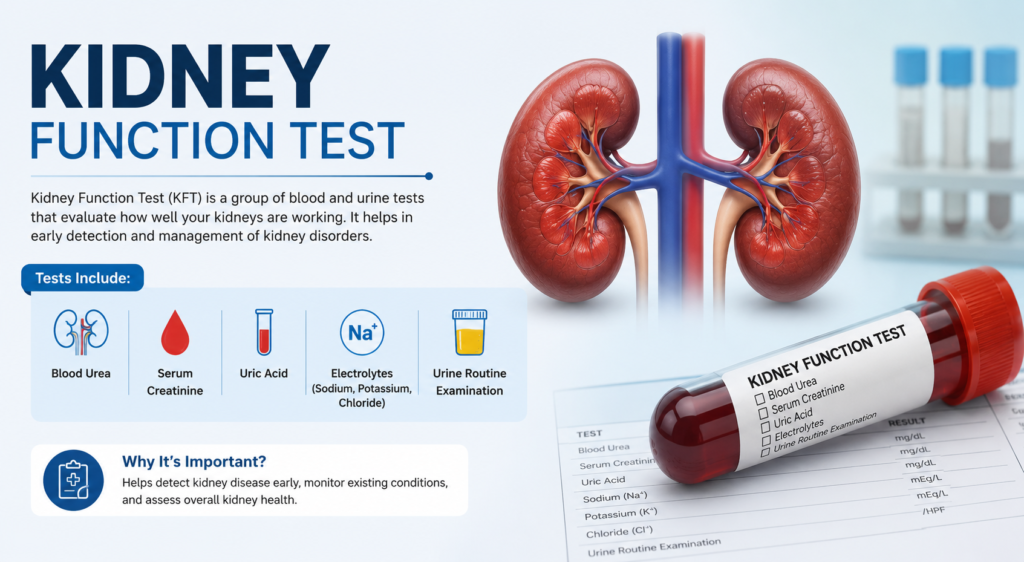
Kidney Function Test (KFT)
Persistent fever and dehydration can sometimes affect kidney health.
Kidney Function Tests help monitor:
- Creatinine levels
- Urea levels
- Electrolyte balance
These tests are especially important for elderly patients and people with existing medical conditions.
COVID-19 or Flu Testing
Although COVID-19 cases have reduced in many areas, viral respiratory infections still remain common.
If fever is associated with:
- Cough
- Sore throat
- Breathing difficulty
- Cold symptoms
Doctors may recommend COVID-19 or influenza testing.
Early testing helps avoid spreading infection to family members and others.
Blood Culture Test
If fever remains unexplained for several days, doctors may advise a blood culture test.
This test helps identify bacterial infections in the bloodstream and guides antibiotic treatment.
Blood culture testing is important in cases of severe or persistent fever.

When Should You Visit a Pathology Lab Immediately?
You should not delay testing if you experience:
- Fever lasting more than 3 days
- Very high temperature
- Difficulty breathing
- Severe weakness
- Low platelet count
- Vomiting
- Dehydration
- Confusion
- Chest pain
- Persistent cough
- Severe headache
Timely laboratory testing can help prevent complications and support faster recovery.
Why Accurate Laboratory Testing Matters
Many infections have similar symptoms, making diagnosis difficult without proper testing.
For example:
- Dengue and viral fever may both cause body pain
- Malaria and typhoid may both cause continuous fever
- COVID-19 and flu may show similar respiratory symptoms
A trusted pathology laboratory provides accurate reports that help doctors make the right treatment decisions.
Modern diagnostic laboratories use advanced equipment and trained professionals to ensure reliable and timely test results.
Tips to Follow While Having Fever
Along with laboratory testing, patients should also follow proper care instructions.
Important precautions include:
- Drink plenty of fluids
- Take proper rest
- Avoid self-medication
- Monitor body temperature regularly
- Eat light and nutritious food
- Follow doctor’s advice carefully
- Complete prescribed medications
Ignoring fever or depending only on home remedies may delay proper diagnosis.
Importance of Early Diagnosis
Early diagnosis is one of the biggest advantages of laboratory testing. Detecting infections in the early stage allows doctors to begin treatment before complications develop.
Benefits of early testing include:
- Faster recovery
- Reduced risk of complications
- Better monitoring of infection
- Proper medication guidance
- Prevention of disease spread
Routine pathology testing plays an important role in protecting overall health.

Conclusion
If you have had fever for the last three days, it is important not to ignore the symptoms. Fever may be caused by viral infections, bacterial diseases, dengue, malaria, typhoid, or other medical conditions that require proper medical attention.
Tests such as CBC, dengue profile, malaria test, typhoid test, CRP, urine examination, liver function test, and kidney function test help identify the exact cause of fever and guide proper treatment.
As a pathology laboratory, our goal is to provide accurate, timely, and reliable diagnostic services, and the best pathology lab in gurugram can support better healthcare decisions. Early testing and medical consultation can help prevent complications and ensure a quicker recovery.
Always consult a healthcare professional if fever persists or symptoms worsen. Proper diagnosis through laboratory testing is the safest and most effective way to manage prolonged fever.