When Should You Get a Kidney Function Test? Key Reasons Explained

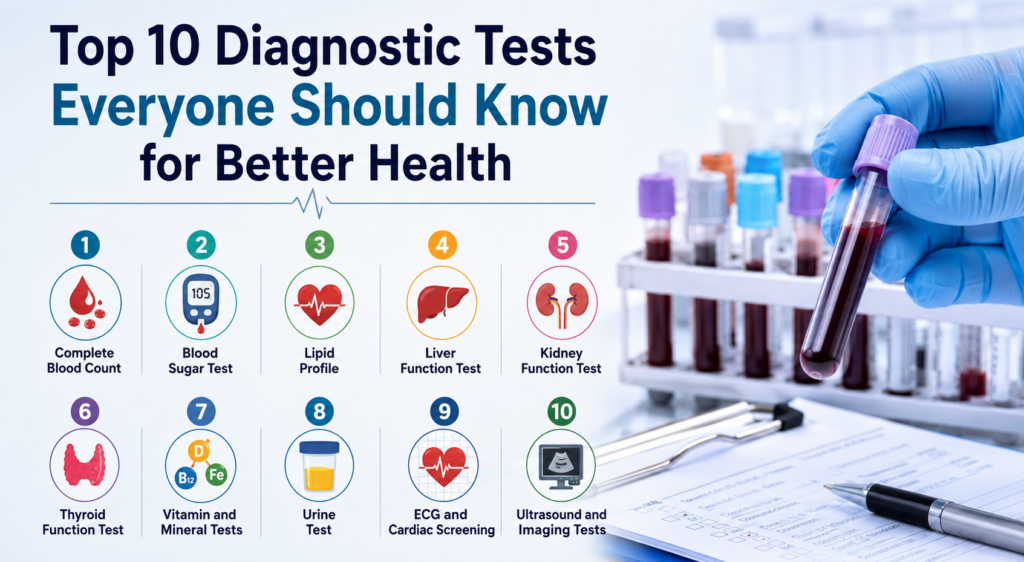
Top 10 Diagnostic Tests Everyone Should Know for Better Health
June 22, 2026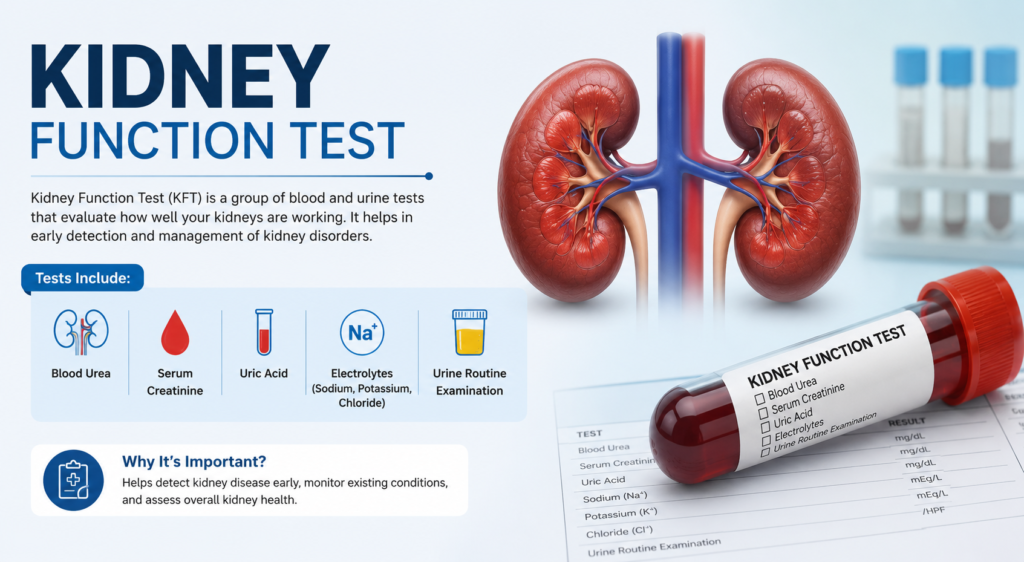
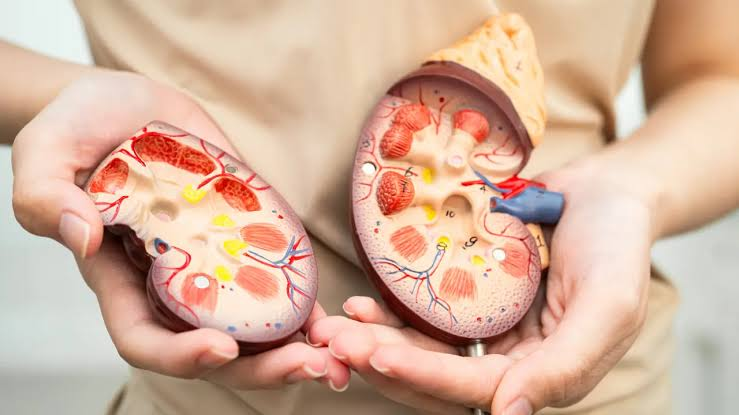
Kidneys play a vital role in maintaining overall health. These bean-shaped organs are responsible for filtering waste products, excess fluids, and toxins from the blood. They also help regulate blood pressure, balance electrolytes, and support the production of red specialized tests in gurgaon When the kidneys are not functioning properly, harmful substances can accumulate in the body, leading to serious health complications.
A Kidney Function Test is a group of laboratory tests used to evaluate how effectively the kidneys are performing their essential functions. These tests help identify kidney-related issues at an early stage, allowing timely treatment and better health outcomes. Understanding when and why you should get a Kidney Function Test can help protect your kidney health and prevent long-term complications.
What Is a Kidney Function Test?
A Kidney Function Test measures different substances in the blood and urine to assess kidney performance. Healthcare professionals use these tests to detect kidney disease, monitor existing kidney conditions, and evaluate overall kidney health.
Common components of a Kidney Function Test include:
- Serum Creatinine
- Blood Urea Nitrogen (BUN)
- Estimated Glomerular Filtration Rate (eGFR)
- Uric Acid Levels
- Electrolyte Balance Tests
- Urine Protein Analysis
Together, these tests provide valuable information about how efficiently the kidneys are filtering waste and maintaining the body’s fluid balance.
Why Is Kidney Health Important?
Healthy kidneys perform several essential functions that support overall well-being. They:
- Remove waste products from the bloodstream
- Maintain proper fluid balance
- Regulate blood pressure
- Control electrolyte levels
- Support bone health
- Help produce hormones needed for red blood cell formation
When kidney function declines, these processes can be disrupted, affecting multiple organs and systems throughout the body.
When Should You Get a Kidney Function Test?
There are several situations in which a Kidney Function Test may be recommended. Early testing can help identify potential problems before noticeable symptoms develop.
If You Have Diabetes
Diabetes is one of the leading causes of kidney disease worldwide. High blood sugar levels can damage the tiny blood vessels in the kidneys over time, reducing their ability to filter waste effectively.
People with diabetes should undergo regular kidney health screenings to detect early signs of kidney damage and prevent disease progression.
If You Have High Blood Pressure
High blood pressure can place excessive strain on the kidneys and damage blood vessels that supply them. At the same time, kidney disease can also contribute to elevated blood pressure levels.
Regular monitoring through a Kidney Function Test can help assess whether hypertension is affecting kidney health.
If You Have a Family History of Kidney Disease
Genetics can play a role in certain kidney disorders. If close family members have experienced chronic kidney disease, kidney failure, or inherited kidney conditions, your risk may be higher.
In such cases, periodic testing can help identify potential issues before they become severe.
If You Experience Symptoms of Kidney Problems
Kidney disease often develops silently in its early stages. However, some symptoms may indicate declining kidney function, including:
- Swelling in the feet, ankles, or hands
- Frequent urination, especially at night
- Blood in the urine
- Persistent fatigue
- Loss of appetite
- Difficulty concentrating
- Muscle cramps
- Unexplained nausea
If you experience any of these symptoms, a Kidney Function Test can help determine whether your kidneys are functioning properly.
If You Are Over the Age of 60
The risk of kidney disease increases with age. As people grow older, kidney function naturally declines to some extent. Regular screening becomes increasingly important for older adults to detect any abnormal changes early.
Doctors often recommend routine kidney assessments as part of preventive healthcare for seniors.

If You Take Certain Medications Regularly
Some medications can affect kidney health, especially when taken for extended periods. These may include:
- Certain pain relievers
- Anti-inflammatory medications
- Some antibiotics
- Chemotherapy drugs
- Certain blood pressure medications
Individuals using these medications regularly may require periodic Kidney Function Test evaluations to ensure the kidneys remain healthy.
If You Have Heart Disease
Heart health and kidney health are closely connected. People with cardiovascular disease are more likely to develop kidney-related complications.
A Kidney Function Test can help healthcare providers monitor kidney performance and manage overall health more effectively.
During Routine Health Checkups
Even if you feel healthy and have no symptoms, routine screening can provide valuable insights into kidney function. Many kidney conditions develop gradually and may not show noticeable signs until significant damage has occurred.
Including kidney function assessments in regular health checkups supports early detection and preventive care.
Benefits of Early Kidney Function Testing
Early testing offers numerous advantages for long-term health and disease prevention.
Early Detection of Kidney Disease
A Kidney Function Test can identify abnormalities before symptoms appear. Early diagnosis often allows for more effective treatment and better disease management.
Prevention of Serious Complications
Untreated kidney disease can lead to complications such as:
- Kidney failure
- High blood pressure
- Heart disease
- Electrolyte imbalances
- Anemia
Regular testing helps reduce these risks through timely intervention.
Better Management of Chronic Conditions
People with diabetes, hypertension, or cardiovascular disease benefit significantly from regular kidney monitoring. Test results help healthcare providers adjust treatment plans when necessary.
Improved Treatment Outcomes
When kidney issues are identified early, lifestyle changes, medications, and medical interventions can often slow or prevent disease progression.
How Often Should You Get a Kidney Function Test?
The frequency of testing depends on your age, health status, and risk factors.
General recommendations include:
- Healthy adults: During routine annual health checkups
- People with diabetes: At least once a year or as advised by a doctor
- Individuals with high blood pressure: Regular monitoring based on medical recommendations
- Those with kidney disease: More frequent testing as directed by healthcare professionals
- Older adults: Periodic assessments during preventive health screenings
Your healthcare provider can determine the most appropriate testing schedule based on your individual needs.
Preparing for a Kidney Function Test
Most kidney tests require minimal preparation. However, your doctor may provide specific instructions depending on the type of test being performed.
Preparation may include:
- Drinking adequate water
- Avoiding certain medications before testing
- Fasting if required
- Providing a urine sample when requested
Following preparation guidelines helps ensure accurate and reliable results.
Conclusion
A Kidney Function Test is an important tool for assessing kidney health and detecting potential problems at an early stage. Whether you have diabetes, high blood pressure, a family history of kidney disease, or simply want to monitor your overall health, regular kidney testing can provide valuable information about how well your kidneys are working.
Early detection is one of the most effective ways to prevent serious kidney-related complications. By understanding the key reasons for testing and scheduling best pathology lab in gurugram you can take proactive steps toward maintaining healthy kidneys and supporting your long-term well-being.