Food Intolerance Symptoms Signs Causes And When To Get Tested

What Test Should I Do If I Had Fever From Last 3 Days
May 20, 2026
World No Tobacco Day 2026: Say No to Tobacco, Choose a Healthier Life
May 27, 2026
Food intolerance is a common health condition that affects many people worldwide. Unlike food allergies, food intolerance usually does not involve the immune system, but it can still cause discomfort and affect daily life. Many individuals experience digestive problems, headaches, fatigue, skin issues, or other unexplained symptoms after eating certain foods without realizing the actual cause. Understanding food intolerance symptoms, causes, and the importance of testing can help individuals manage their health more effectively. Proper diagnosis through advanced pathology services and immunity test in gurgaon can help identify underlying health concerns and support better overall wellness.
Pathology laboratories play an important role in identifying food intolerances through advanced diagnostic testing. Early detection can help prevent long-term discomfort and improve overall wellness.
READ MORE : What Test Should I Do If I Had Fever From Last 3 Days
What Is Food Intolerance
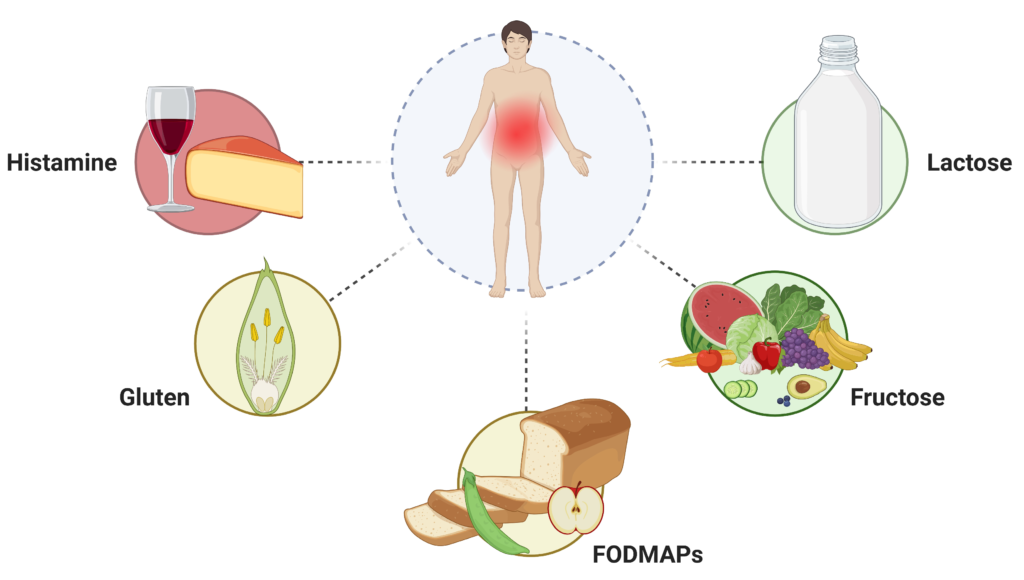
Food intolerance occurs when the body has difficulty digesting certain foods or ingredients. This can happen because the body lacks specific enzymes, reacts to food chemicals, or has sensitivity to additives present in processed foods.
Food intolerance is different from food allergy. Food allergies involve the immune system and may cause severe reactions such as swelling, breathing difficulty, or anaphylaxis. Food intolerance symptoms are generally slower and less severe but can still significantly affect quality of life.
Some common foods linked to intolerance include:
- Milk and dairy products
- Gluten-containing foods
- Eggs
- Soy products
- Nuts
- Seafood
- Artificial food additives
- Spicy foods
- Caffeine
Common Symptoms Of Food Intolerance
Food intolerance symptoms can vary from person to person. In many cases, symptoms appear a few hours after eating certain foods, making it difficult to identify the trigger.
Some of the most common symptoms include:
- Bloating
- Stomach pain
- Gas and indigestion
- Diarrhea
- Nausea
- Headaches or migraines
- Fatigue
- Skin rashes
- Irritability
- Brain fog
- Joint pain
Digestive symptoms are usually the most common signs. However, some people may experience non-digestive symptoms that can affect the skin, nervous system, or energy levels.
Signs That You May Have Food Intolerance
Many people ignore mild symptoms for years without realizing they may be linked to food intolerance. Certain warning signs should not be ignored.
You may consider food intolerance testing if you experience:
- Frequent stomach discomfort after meals
- Ongoing bloating without a clear reason
- Repeated headaches after eating certain foods
- Chronic fatigue
- Skin irritation that does not improve easily
- Digestive issues despite maintaining a healthy diet
- Symptoms that improve after avoiding specific foods
Keeping a food diary can also help identify patterns between meals and symptoms.
Major Causes Of Food Intolerance
Several factors can contribute to food intolerance. Understanding these causes can help individuals make informed decisions regarding diet and medical testing.
Enzyme Deficiency
One of the most common causes of food intolerance is the lack of digestive enzymes. For example, lactose intolerance occurs when the body does not produce enough lactase enzyme needed to digest milk sugar.
Sensitivity To Food Chemicals
Certain natural chemicals in foods may trigger intolerance symptoms. These include:
- Caffeine
- Histamines
- Salicylates
- Artificial preservatives
- Food colorings
Some individuals are more sensitive to these substances than others
Gastrointestinal Conditions
Digestive disorders can increase sensitivity to certain foods. Conditions such as irritable bowel syndrome, gastritis, or inflammatory bowel disease may worsen food intolerance symptoms.
Stress And Lifestyle Factors
Stress, poor sleep, unhealthy eating habits, and irregular meal timings may also affect digestion and increase food sensitivity.
How Food Intolerance Affects Daily Life
Food intolerance may seem minor initially, but untreated symptoms can affect physical and mental well-being over time.
Common effects include:
- Reduced energy levels
- Difficulty concentrating
- Poor digestion
- Sleep disturbances
- Mood changes
- Reduced work productivity
Children with food intolerance may also experience digestive discomfort, poor concentration, or behavioral changes.
Proper diagnosis and dietary management can significantly improve daily comfort and health.
Difference Between Food Allergy And Food Intolerance
Many people confuse food intolerance with food allergy. However, both conditions are different in terms of severity and body response.
Food Allergy
- Involves the immune system
- Can cause severe reactions
- Symptoms appear quickly
- May require emergency medical care
Food Intolerance
- Usually related to digestion
- Symptoms develop gradually
- Mostly causes discomfort rather than emergency reactions
- Often manageable through dietary changes
Accurate pathology testing can help differentiate between the two conditions.
When To Get Tested For Food Intolerance
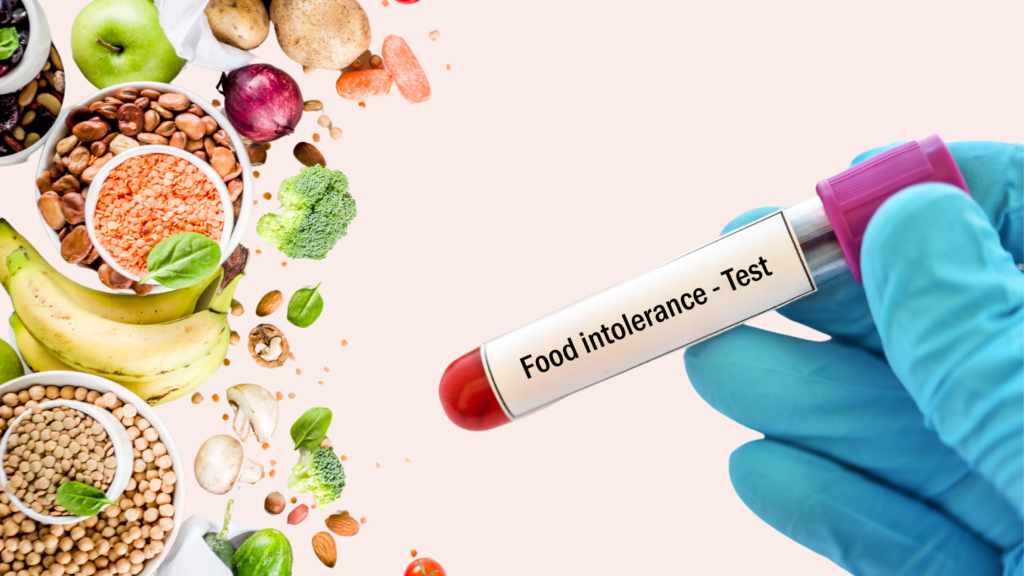
Food intolerance testing is recommended when symptoms become frequent, unexplained, or interfere with daily life. Many people continue suffering for years because they do not know which foods are causing the problem.
You should consider testing if:
- Symptoms occur repeatedly after meals
- Digestive issues persist for several weeks
- Elimination diets are not helping
- You experience chronic bloating or diarrhea
- Fatigue and headaches have no clear cause
- Skin reactions continue despite treatment
Early testing can help identify triggers and prevent unnecessary dietary restrictions.
Types Of Food Intolerance Tests
Modern pathology laboratories offer several tests to identify food intolerances and related digestive issues. These tests help healthcare professionals understand the body’s reaction to specific foods.
Common diagnostic methods include:
- Blood tests
- Lactose intolerance tests
- Gluten sensitivity screening
- Hydrogen breath tests
- Elimination diet monitoring
- Stool analysis
Pathology labs use advanced technology and quality-controlled procedures to provide accurate diagnostic results.
Importance Of Pathology Labs In Food Intolerance Diagnosis
Professional pathology laboratories play a major role in accurate food intolerance diagnosis. Reliable testing ensures proper identification of food triggers and helps doctors recommend suitable treatment plans.
Benefits of laboratory testing include:
- Accurate diagnosis
- Faster identification of food triggers
- Personalized dietary guidance
- Prevention of long-term digestive issues
- Improved overall health management
Choosing a trusted pathology lab with experienced professionals and modern diagnostic equipment is important for dependable results.
Managing Food Intolerance
Once food intolerance is identified, symptoms can often be managed effectively through simple lifestyle and dietary changes.
Some helpful management tips include:
- Avoid trigger foods
- Read food labels carefully
- Eat balanced meals
- Maintain hydration
- Follow medical advice
- Keep a food journal
- Avoid overeating
- Reduce processed foods
In some cases, healthcare professionals may also recommend nutritional supplements or digestive enzymes.
Can Food Intolerance Be Prevented
Not all food intolerances can be prevented, but healthy habits may reduce the risk of digestive discomfort and sensitivity.
Helpful preventive measures include:
- Eating fresh and nutritious foods
- Maintaining a healthy gut
- Managing stress levels
- Exercising regularly
- Avoiding excessive processed foods
- Staying hydrated
Regular health checkups and pathology testing can also help detect digestive issues early.

Conclusion
Food intolerance is a common but often overlooked condition that can affect digestion, energy levels, skin health, and overall well-being. Symptoms may vary from mild discomfort to persistent health problems that interfere with daily life. Understanding the signs and causes of food intolerance is the first step toward better health management.
Pathology laboratories play a vital role in diagnosing food intolerance through accurate and reliable testing methods. Early diagnosis helps individuals identify trigger foods, improve their diet, and reduce long-term discomfort. Choosing the best pathology lab in gurugram for advanced diagnostic testing can ensure accurate reports and proper health assessment. If you regularly experience unexplained digestive issues, headaches, bloating, or fatigue after meals, consulting a healthcare professional and getting tested at a trusted pathology lab can help you take control of your health effectivel