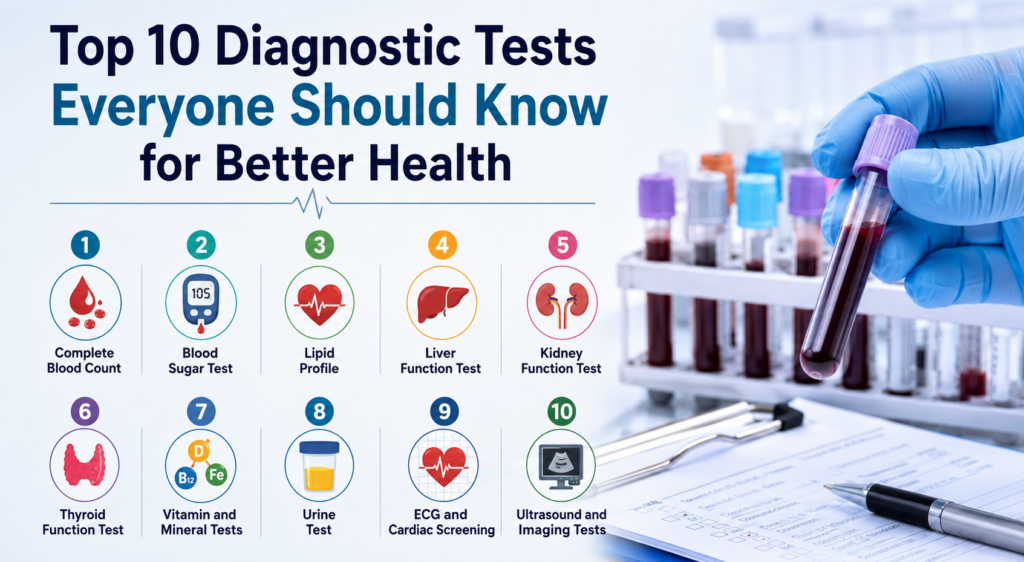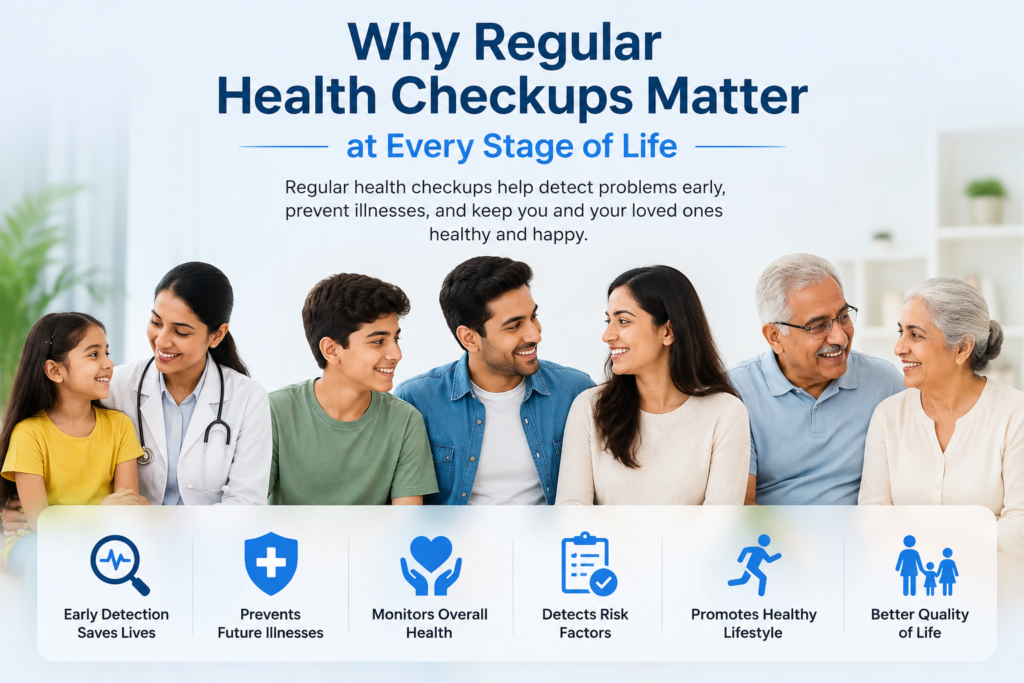
Essential Tests and Investigations for Diagnosing High Cholesterol

Pneumonia Diagnosis: Essential Tests for Accurate Treatment
May 4, 2026
What Test Should I Do If I Had Fever From Last 3 Days
May 20, 2026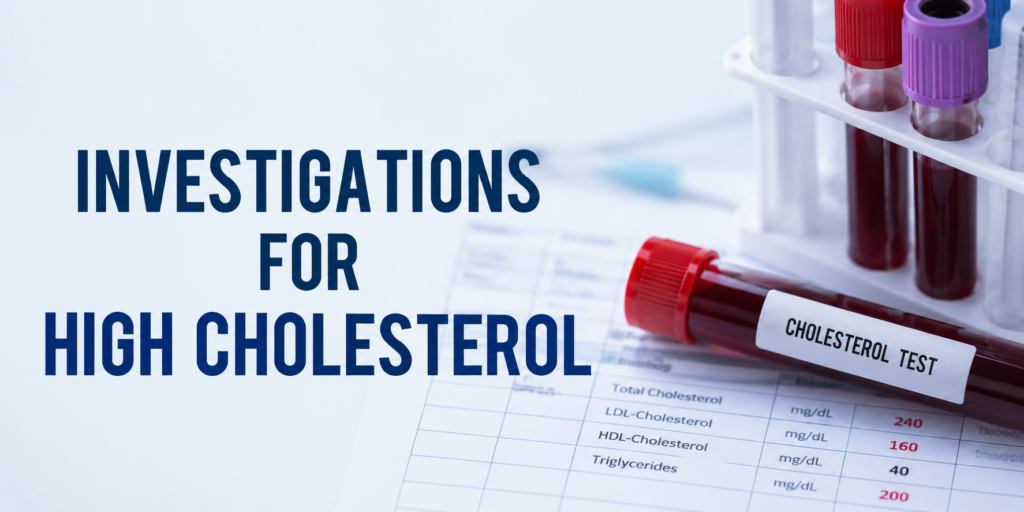
High cholesterol is one of the most common health concerns affecting adults today. It often develops silently, without obvious symptoms, which is why many people do not realize they have it until a routine blood test shows abnormal results. In many cases, visiting a reliable blood test lab in gurgaon can help detect these issues early and ensure accurate diagnosis. If left unchecked, high cholesterol can increase the risk of heart disease, stroke, and other serious conditions. The good news is that it can be identified early through simple tests and proper medical evaluation.
Read More : Pneumonia Diagnosis: Essential Tests for Accurate Treatment
Diagnosing high cholesterol is not just about finding a single number. Doctors usually look at several tests together, along with a person’s age, lifestyle, family history, and overall health. Understanding these tests can help you know what to expect and why they matter.

Why Testing for High Cholesterol Matters
Cholesterol is a fatty substance found in the blood. The body needs it to build cells and make hormones, but too much of certain types can cause plaque to build up in the arteries. This buildup can narrow the blood vessels and reduce blood flow to the heart and brain.
Testing is important because high cholesterol often has no clear signs in the early stages. Many people feel perfectly healthy while cholesterol levels are already rising. Regular testing helps detect the problem before complications begin.
Doctors may recommend cholesterol testing if you have:
- A family history of high cholesterol or heart disease
- High blood pressure
- Diabetes or prediabetes
- Excess body weight
- An unhealthy diet
- A sedentary lifestyle
- Smoking habits
- Previous heart-related problems
Lipid Profile Test
The lipid profile test is the most common and essential investigation for diagnosing high cholesterol. It measures the main types of fats in the blood and gives a clear picture of your heart health risk.
This test usually checks the following:
- Total cholesterol
- LDL cholesterol
- HDL cholesterol
- Triglycerides
- Very low-density lipoprotein, in some cases
LDL cholesterol is often called bad cholesterol because higher levels can contribute to plaque formation in the arteries. HDL cholesterol is known as good cholesterol because it helps carry excess cholesterol away from the bloodstream. Triglycerides are another type of fat that can also affect heart health when elevated.
A lipid profile is usually done after fasting for several hours, depending on the doctor’s advice. However, in some situations, non-fasting tests may also be used.
Total Cholesterol Test
Total cholesterol gives an overall measurement of cholesterol in the blood. While it is useful, it is not enough on its own to diagnose the full picture. A person may have normal total cholesterol but still have high LDL or low HDL, which can still be risky.
That is why total cholesterol is best understood as part of a complete lipid profile rather than a standalone result.
LDL Cholesterol Test
LDL cholesterol is one of the most important numbers in cholesterol testing. High LDL levels are strongly linked to artery blockages and cardiovascular disease.
Doctors pay close attention to LDL because even if total cholesterol looks acceptable, a raised LDL level can still increase health risks. If LDL is too high, doctors may recommend lifestyle changes, dietary adjustments, or medication depending on the overall condition of the patient.
HDL Cholesterol Test
HDL cholesterol helps remove extra cholesterol from the bloodstream and transport it back to the liver for processing. Higher HDL levels are generally better, though very high values should still be interpreted in context.
Low HDL levels are often seen in people who smoke, are inactive, or have poor eating habits. Improving HDL levels usually involves healthier daily habits such as exercise, balanced meals, and weight management.
Triglyceride Test
Triglycerides are another type of fat found in the blood. They are often measured along with cholesterol because they can increase the risk of heart disease when elevated.
High triglycerides may be linked to:
- Overeating, especially sugary foods
- Excess alcohol intake
- Obesity
- Poorly controlled diabetes
- Certain medications
- Lack of physical activity
A triglyceride test helps doctors understand whether the problem is only cholesterol-related or part of a broader fat metabolism issue.
Non-Fasting Lipid Testing
In some cases, doctors may suggest a non-fasting lipid test. This means blood can be drawn without avoiding food beforehand. It is often convenient for routine screening and can still provide useful information.
However, if triglycerides are high or if a more detailed evaluation is needed, a fasting test may be recommended for more accurate results. The choice depends on the patient’s condition and the doctor’s preference.
Additional Tests That May Be Recommended
Sometimes, cholesterol testing alone is not enough. If a doctor suspects a higher risk of heart disease or another underlying condition, additional investigations may be suggested.
These may include:
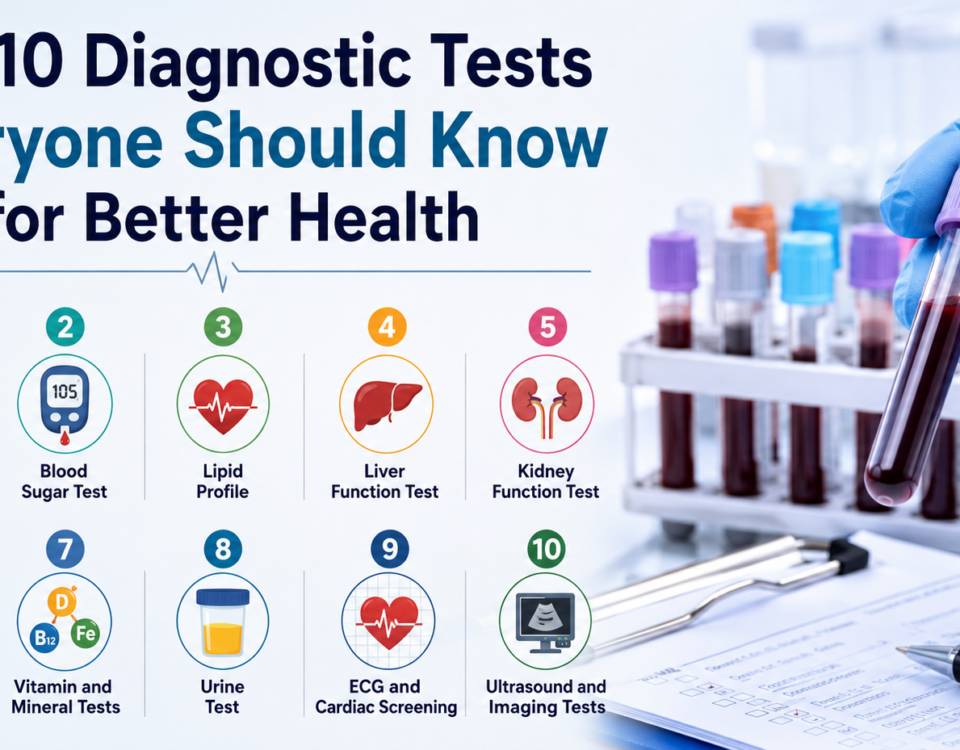
- Blood sugar testing to check for diabetes or prediabetes
- Thyroid function tests, since an underactive thyroid can raise cholesterol
- Liver function tests to assess how the body processes fats and medications
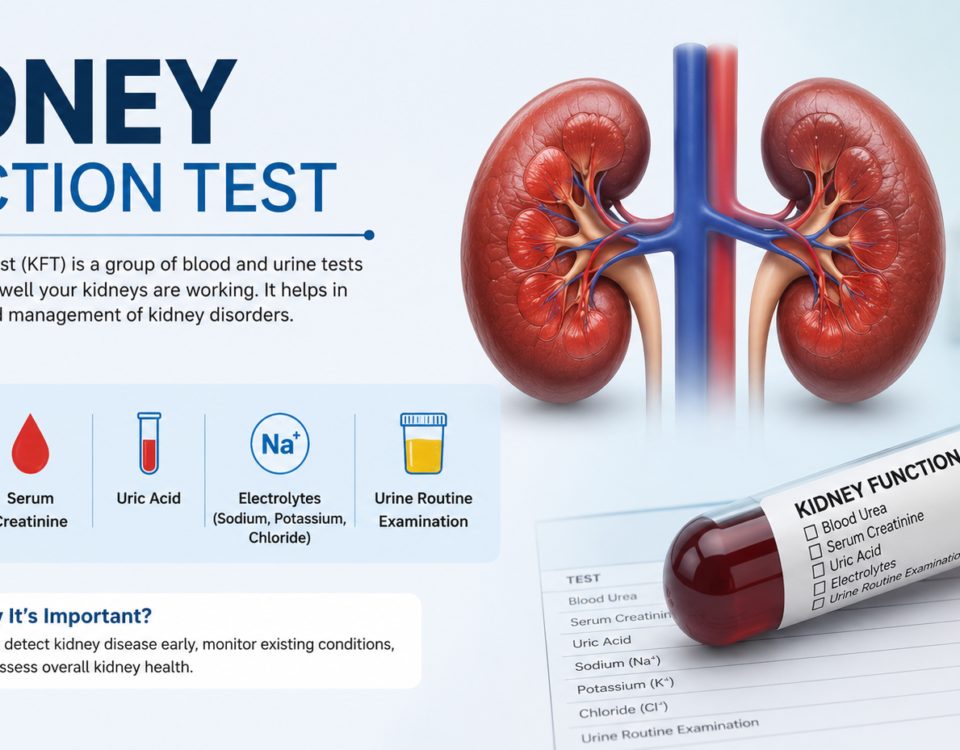
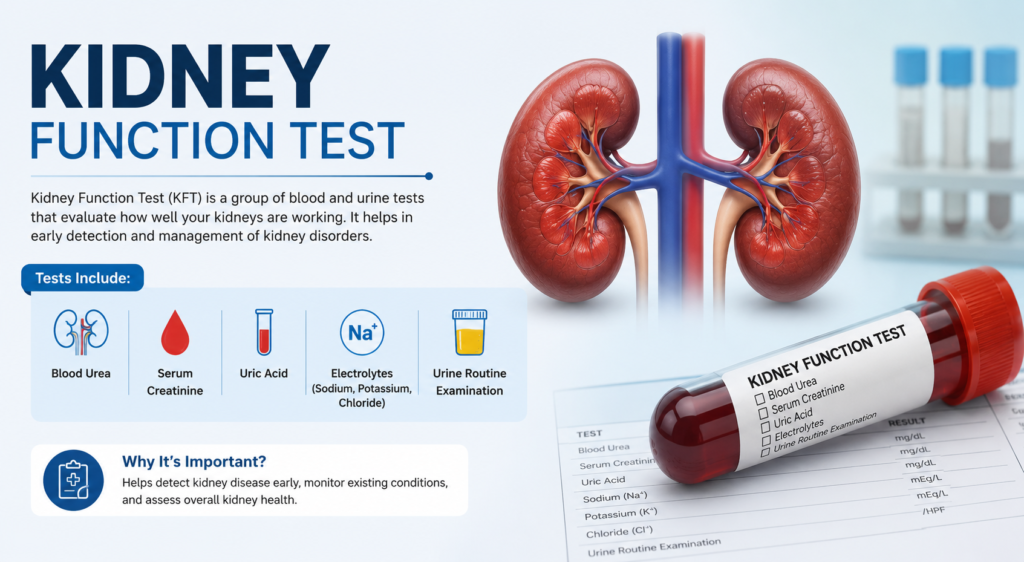
- Kidney function tests, because kidney problems can affect lipid levels
- Apolipoprotein tests in special cases
- C-reactive protein testing to assess inflammation, in certain risk evaluations
These tests help identify whether high cholesterol is happening on its own or as part of another medical issue.
Physical Examination and Medical History
A doctor does not rely only on blood tests. They also look at symptoms, medical history, and lifestyle factors. During consultation, they may ask about:
- Eating habits
- Exercise routine
- Smoking or alcohol use
- Family history of heart problems
- Previous test results
- Existing health conditions
- Current medicines
A physical exam may also reveal signs linked to long-term cholesterol issues, although many people have no visible symptoms at all.
When Should You Get Tested
Doctors usually recommend cholesterol screening at regular intervals, especially for adults. People with higher risk may need testing more often.
Testing may be needed if:
- You are over a certain age
- You have a family history of heart disease
- You have diabetes or high blood pressure
- You are overweight
- You smoke
- You already have a heart condition
- You are taking medicines that may affect fat levels
Even younger people may need testing if there is a strong family history of early heart disease or inherited cholesterol disorders.
How to Prepare for the Test
Preparation depends on the kind of test your doctor orders. For many lipid profiles, fasting for 9 to 12 hours may be suggested. During this time, you may be allowed to drink water but should avoid food and certain drinks.
Before the test:
- Follow the doctor’s instructions carefully
- Tell the lab if you are taking medicines
- Avoid heavy meals or alcohol before testing if advised
- Stay relaxed, since stress does not usually change cholesterol directly but may affect your overall health routine
Preparation helps ensure that the results are as accurate as possible.
Understanding the Results
Once your test is done, the doctor will interpret the numbers based on your overall health. There is no single result that means the same thing for everyone. Age, medical history, and existing risk factors all matter.
A doctor may explain whether your cholesterol is:
- Desirable
- Borderline high
- High
- Very high
If results are abnormal, the next step is usually a plan that may include better diet choices, regular exercise, weight control, stopping smoking, and sometimes medication. In many cases, cholesterol can be managed successfully when it is detected early.
Final Thoughts
Diagnosing high cholesterol involves more than just one blood test. The lipid profile is the main investigation, but doctors may also use related tests to understand your heart risk more completely. Choosing the best pathology lab in gurugram ensures accurate reports and reliable health insights. Since high cholesterol often has no symptoms, routine screening is one of the best ways to protect long-term health.
If you get tested on time and follow medical advice, you can take control of cholesterol levels before they cause serious problems. Regular checkups, healthy daily habits, and proper testing together make a strong foundation for better heart health.