Know Your Lipid Profile: The First Step Toward a Healthy Heart

Why Urine Culture Tests Are Essential for Accurate Diagnosis and Better Health
April 24, 2026
Why Kidney Function Tests Are Essential for Early Detection and Better Health
April 29, 2026
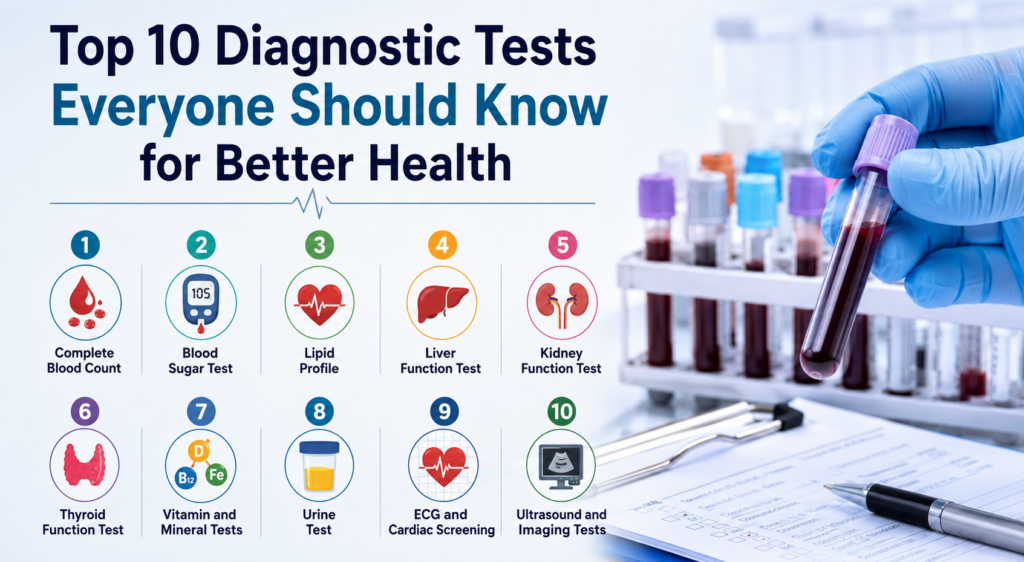
A healthy heart is essential for a long and active life, yet many people overlook one of the most important indicators of cardiovascular health: the lipid profile. Understanding your lipid profile is not just for those with existing health conditions; it is a crucial step for anyone who wants to prevent heart disease and maintain overall well-being. A lipid profile provides valuable insight into the levels of fats in your blood, helping you and your healthcare provider make informed decisions about your lifestyle and treatment if needed. With access specialized tests in gurgaon, individuals can easily get accurate lipid profile testing and take a proactive step toward better heart health.
What is a Lipid Profile
A lipid profile is a blood test that measures different types of fats, also known as lipids, present in your bloodstream. These lipids play essential roles in the body, such as storing energy and supporting cell function. However, when their levels are unbalanced, they can increase the risk of heart disease and other health complications.
The key components of a lipid profile include:
- Total cholesterol
- Low-density lipoprotein (LDL) cholesterol
- High-density lipoprotein (HDL) cholesterol
- Triglycerides
- Very low-density lipoprotein (VLDL) in some cases
Each of these components has a specific role, and understanding them individually can help you interpret your results more effectively.
Why is a Lipid Profile Important
Heart disease remains one of the leading causes of death worldwide, and high cholesterol is a major contributing factor. A lipid profile helps detect abnormal cholesterol levels early, often before symptoms appear.
Some important reasons to get your lipid profile checked include:
- Early detection of cardiovascular risk
- Monitoring existing health conditions
- Evaluating the effectiveness of treatments
- Encouraging healthier lifestyle choices
Regular testing can act as a preventive measure, allowing you to take control of your health before serious issues arise.
Understanding Cholesterol Types
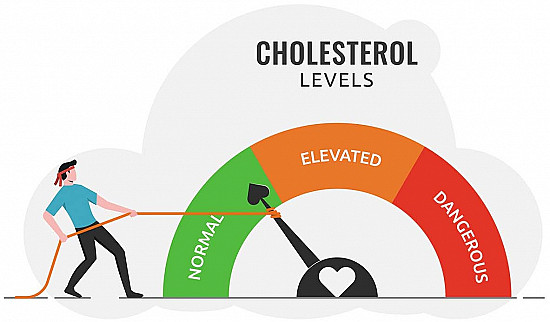
Cholesterol is often misunderstood as entirely harmful, but the truth is more nuanced. Your body needs cholesterol to function properly, but balance is key.
LDL cholesterol is often referred to as bad cholesterol. High levels of LDL can lead to plaque buildup in the arteries, increasing the risk of heart attacks and strokes.
HDL cholesterol is known as good cholesterol. It helps remove excess cholesterol from the bloodstream and carries it back to the liver for processing and elimination.
Triglycerides are another type of fat in the blood. High triglyceride levels can also contribute to the hardening of arteries, especially when combined with high LDL or low HDL levels.
Ideal Lipid Levels
Knowing the ideal range for each component of your lipid profile can help you assess your risk level. While exact values may vary slightly depending on guidelines, general recommendations include:
- Total cholesterol: Less than 200 mg/dL
- LDL cholesterol: Less than 100 mg/dL
- HDL cholesterol: 40 mg/dL or higher for men, 50 mg/dL or higher for women
- Triglycerides: Less than 150 mg/dL
If your levels fall outside these ranges, it does not always mean immediate danger, but it does indicate the need for lifestyle adjustments or medical advice.

Who Should Get a Lipid Profile Test
A common misconception is that only older adults need to monitor their cholesterol levels. In reality, people of all ages can benefit from periodic testing.
You should consider getting a lipid profile if you:
- Are above the age of 20
- Have a family history of heart disease
- Are overweight or obese
- Have diabetes or high blood pressure
- Lead a sedentary lifestyle
- Smoke or consume alcohol frequently
Even if you feel healthy, routine screening can help identify hidden risks.
How to Prepare for the Test
Preparing for a lipid profile test is simple but important for accurate results. In most cases, fasting for 9 to 12 hours before the test is recommended. During this time, you should avoid food and beverages except water.
Other preparation tips include:
- Avoid alcohol for at least 24 hours before the test
- Inform your doctor about any medications you are taking
- Follow any specific instructions provided by your healthcare provider
Proper preparation ensures that your results reflect your true lipid levels.
Lifestyle Factors That Affect Lipid Levels
Your daily habits play a significant role in determining your lipid profile. Even small changes can lead to noticeable improvements over time.
Key factors that influence lipid levels include:
- Diet: Consuming high amounts of saturated fats and trans fats can raise LDL levels
- Physical activity: Regular exercise helps increase HDL and reduce LDL
- Weight management: Maintaining a healthy weight supports better lipid balance
- Smoking: Smoking lowers HDL and damages blood vessels
- Stress: Chronic stress may indirectly affect cholesterol levels
By addressing these factors, you can significantly reduce your risk of heart disease.
Tips to Improve Your Lipid Profile
Improving your lipid profile does not always require drastic measures. Consistent and practical steps can make a big difference.
Here are some effective tips:
- Choose healthy fats such as those found in nuts, seeds, and fish
- Increase intake of fruits, vegetables, and whole grains
- Exercise for at least 30 minutes most days of the week
- Avoid processed and fried foods
- Quit smoking and limit alcohol consumption
- Manage stress through relaxation techniques or hobbies
These lifestyle changes not only improve your lipid profile but also enhance overall health.
When is Medication Needed
In some cases, lifestyle changes alone may not be enough to control lipid levels. If your cholesterol remains high despite efforts to improve it naturally, your doctor may recommend medication.
Common medications include statins, which help lower LDL cholesterol and reduce the risk of heart disease. However, medication should always be taken under medical supervision and combined with healthy lifestyle practices for the best results.
The Role of Regular Monitoring
Monitoring your lipid profile is not a one-time activity. Regular checkups help track your progress and ensure that any changes in your health are addressed promptly.
Depending on your risk factors, your doctor may suggest testing every 6 months to 5 years. Individuals with existing conditions may require more frequent monitoring.
Consistency in testing allows you to stay informed and proactive about your heart health.

Conclusion
Understanding your lipid profile is one of the simplest yet most powerful steps you can take toward protecting your heart. It provides a clear picture of your cardiovascular risk and guides you in making informed decisions about your lifestyle and treatment. Choosing the best pathology lab in gurugram ensures accurate results and reliable insights for better heart care.
By staying aware of your cholesterol levels, adopting healthy habits, and seeking timely medical advice, you can significantly reduce the risk of heart disease. A healthy heart begins with knowledge, and your lipid profile is the first step on that journey.