World No Tobacco Day 2026: Say No to Tobacco, Choose a Healthier Life

Food Intolerance Symptoms Signs Causes And When To Get Tested
May 23, 2026
Why a Lipid Profile Test Is Important for Your Heart Health
May 30, 2026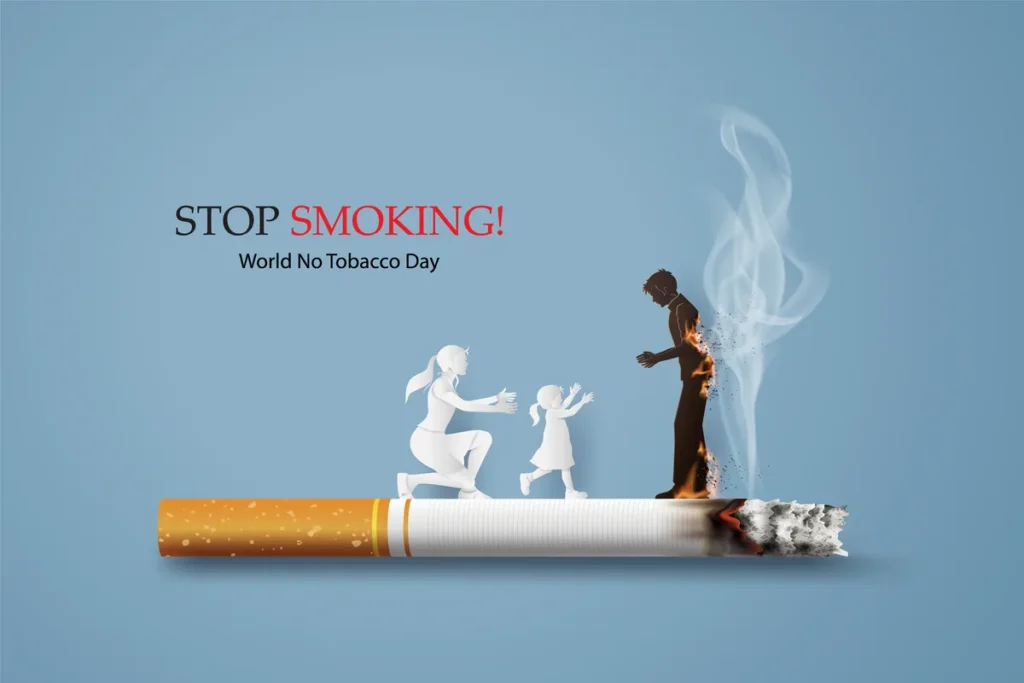
World No Tobacco Day 2026 is an important global health awareness campaign that encourages people to stay away from tobacco and choose a healthier lifestyle. Every year, this day is observed on May 31 to spread awareness about the harmful effects of tobacco consumption and to motivate people to quit smoking and other tobacco-related habits. Tobacco use remains one of the leading causes of preventable diseases and deaths across the world. From lung diseases to heart problems and cancer, tobacco severely affects overall health and quality of life. Regular health checkups and preventive screenings at a trusted blood test lab in gurgaon can help in the early detection of tobacco-related health conditions and support individuals in maintaining a healthier future
As a pathology laboratory, we understand the importance of preventive healthcare and early diagnosis. Regular health checkups and diagnostic tests can help identify tobacco-related health issues at an early stage, allowing timely treatment and better recovery outcomes. World No Tobacco Day is not only about quitting tobacco but also about encouraging healthy living and regular medical monitoring.

Why World No Tobacco Day Matters
Tobacco consumption continues to be a major public health challenge worldwide. Millions of people suffer from diseases caused by smoking, chewing tobacco, and exposure to secondhand smoke. The purpose of World No Tobacco Day is to educate individuals about the dangers of tobacco and to encourage governments, healthcare organizations, and communities to take action against tobacco use.
This awareness day highlights several important concerns:
- Rising cases of lung cancer and respiratory diseases
- Increased risk of heart disease and stroke
- Harmful effects of secondhand smoke on families
- Addiction caused by nicotine
- Financial burden of tobacco-related illnesses
- Impact of tobacco on mental and physical well-being
Healthcare professionals and diagnostic centers play a major role in educating people about these risks and guiding them toward healthier choices.
Harmful Effects of Tobacco on Health
Tobacco contains thousands of harmful chemicals, many of which are toxic and cancer-causing. Regular tobacco use damages almost every organ in the body. Even occasional smoking can increase health risks over time.
Some major health problems caused by tobacco include:
Respiratory Diseases
Smoking directly affects the lungs and airways. It can lead to:
- Chronic Obstructive Pulmonary Disease (COPD)
- Chronic bronchitis
- Emphysema
- Asthma complications
- Reduced lung capacity
Long-term smokers often experience breathing difficulties, chronic cough, and chest infections.
Heart and Blood Vessel Problems
Tobacco damages blood vessels and increases blood pressure. This significantly raises the risk of:
- Heart attack
- Stroke
- High blood pressure
- Poor blood circulation
Nicotine also increases heart rate and puts additional stress on the cardiovascular system.
Cancer Risks
Tobacco use is strongly linked to various types of cancer, including:
- Lung cancer
- Oral cancer
- Throat cancer
- Esophageal cancer
- Bladder cancer
- Pancreatic cancer
Early screening and diagnostic testing are essential for detecting cancer at an early stage.
Effects on Oral Health
Chewing tobacco and smoking can seriously affect oral hygiene and dental health. Common issues include:
- Gum disease
- Tooth decay
- Bad breath
- Mouth ulcers
- Oral cancer
Regular dental and medical checkups are important for tobacco users.
The Role of Pathology Labs in Tobacco Awareness
Pathology laboratories are an important part of preventive healthcare. Diagnostic tests help identify the early signs of diseases caused by tobacco use. Many tobacco-related conditions can develop silently without visible symptoms in the beginning. Regular testing helps in timely diagnosis and treatment planning.
A pathology lab can support tobacco awareness through:
- Health screening programs
- Preventive diagnostic packages
- Cancer screening tests
- Lung function evaluations
- Blood tests and cardiac risk assessments
- Community awareness campaigns
Diagnostic centers also help patients understand their health condition and encourage them to make positive lifestyle changes.
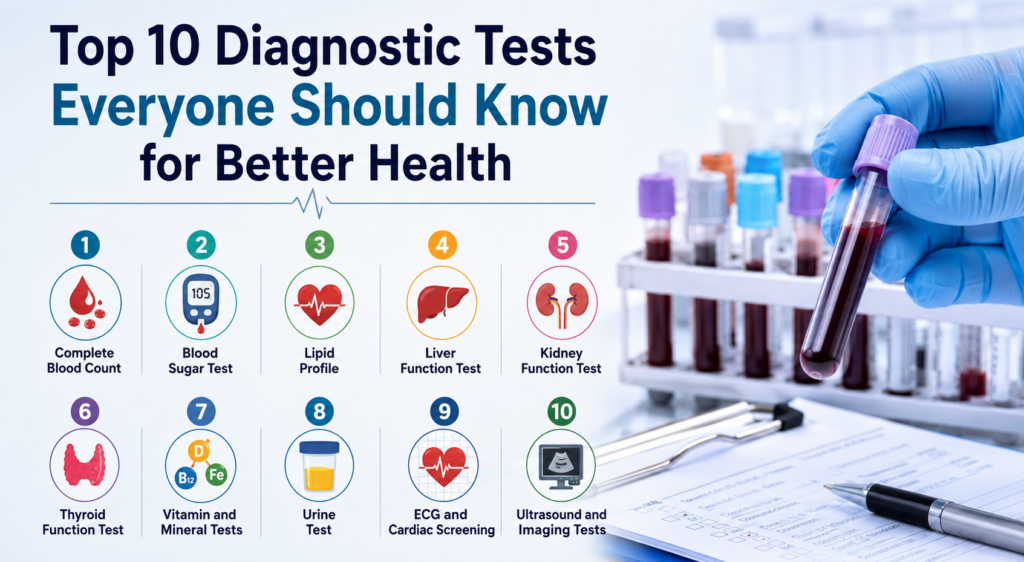
Important Diagnostic Tests for Tobacco Users
People who smoke or consume tobacco should undergo regular health checkups to monitor their overall health. Several diagnostic tests can help detect complications early.
Complete Blood Count (CBC)
A CBC test helps evaluate overall health and detect infections, inflammation, or blood-related abnormalities.
Chest X-Ray
A chest X-ray helps identify lung infections, chronic lung diseases, and abnormal growths in the lungs.
Pulmonary Function Test (PFT)
This test checks how well the lungs are functioning and measures breathing capacity.
Lipid Profile Test
Smoking increases the risk of heart disease. A lipid profile helps monitor cholesterol and triglyceride levels.
Blood Sugar Test
Tobacco use may increase the risk of diabetes and metabolic disorders.
Cancer Screening Tests
Screening tests can help detect oral, throat, or lung cancer at an early stage, especially in high-risk individuals.
ECG and Cardiac Tests
These tests help assess heart health and identify cardiovascular complications caused by smoking.

Benefits of Quitting Tobacco
Quitting tobacco can improve health significantly, regardless of age or duration of use. The body starts healing soon after tobacco consumption stops.
Some major benefits of quitting tobacco include:
- Improved breathing and lung function
- Lower risk of heart disease
- Reduced cancer risk
- Better oral health
- Increased energy levels
- Improved immunity
- Better quality of life
- Healthier skin and appearance
- Financial savings
Even people who have been smoking for many years can experience positive health changes after quitting.
Simple Steps to Quit Tobacco
Quitting tobacco may be challenging, but it is possible with determination, support, and proper medical guidance. Here are some helpful steps:
- Set a quit date and stay committed
- Avoid triggers that encourage smoking
- Seek support from family and friends
- Consult healthcare professionals
- Join tobacco cessation programs
- Stay physically active
- Drink plenty of water
- Practice stress management techniques
- Replace tobacco habits with healthy activities
Medical counseling and regular health monitoring can also improve the chances of successful quitting.
Protecting Young Generations from Tobacco
One of the most important goals of World No Tobacco Day is to protect children and young adults from tobacco addiction. Many people start smoking at a young age due to peer pressure, stress, or social influence.
Parents, schools, healthcare professionals, and communities should work together to spread awareness about the dangers of tobacco. Educational campaigns, counseling programs, and public health initiatives can help reduce tobacco use among youth.
Creating tobacco-free homes, schools, and workplaces is essential for building a healthier future generation.
Importance of Preventive Healthcare
Preventive healthcare plays a vital role in reducing the burden of tobacco-related diseases. Regular medical checkups and early diagnosis help identify health issues before they become severe.
A healthy lifestyle combined with routine diagnostic testing can help people maintain better overall health. Preventive care includes:
- Regular blood tests
- Annual health screenings
- Cancer screening
- Lung health assessments
- Heart health monitoring
- Nutritional guidance
- Fitness and wellness programs
Pathology laboratories contribute significantly to preventive healthcare by offering accurate and timely diagnostic services.

Conclusion
World No Tobacco Day 2026 is a reminder that choosing health over tobacco can transform lives. Tobacco addiction affects not only individuals but also families and communities. By spreading awareness, encouraging healthy habits, and promoting regular health checkups, we can reduce the impact of tobacco-related diseases.
As a pathology laboratory, we strongly support preventive healthcare and early diagnosis. Timely diagnostic testing can help detect tobacco-related health problems early and improve treatment outcomes. Regular health screenings at the best pathology lab in gurugram can play a vital role in identifying health risks associated with tobacco use and ensuring timely medical care. This World No Tobacco Day, take a positive step toward a healthier future. Say no to tobacco, prioritize your health, and encourage others to make the same life-changing decision.