The Hidden Clues to Better Health: Why Laboratory Investigations Matter

Why a Lipid Profile Test Is Important for Your Heart Health
May 30, 2026
Immunity Tests Explained: A Complete Guide to Understanding Your Health
June 5, 2026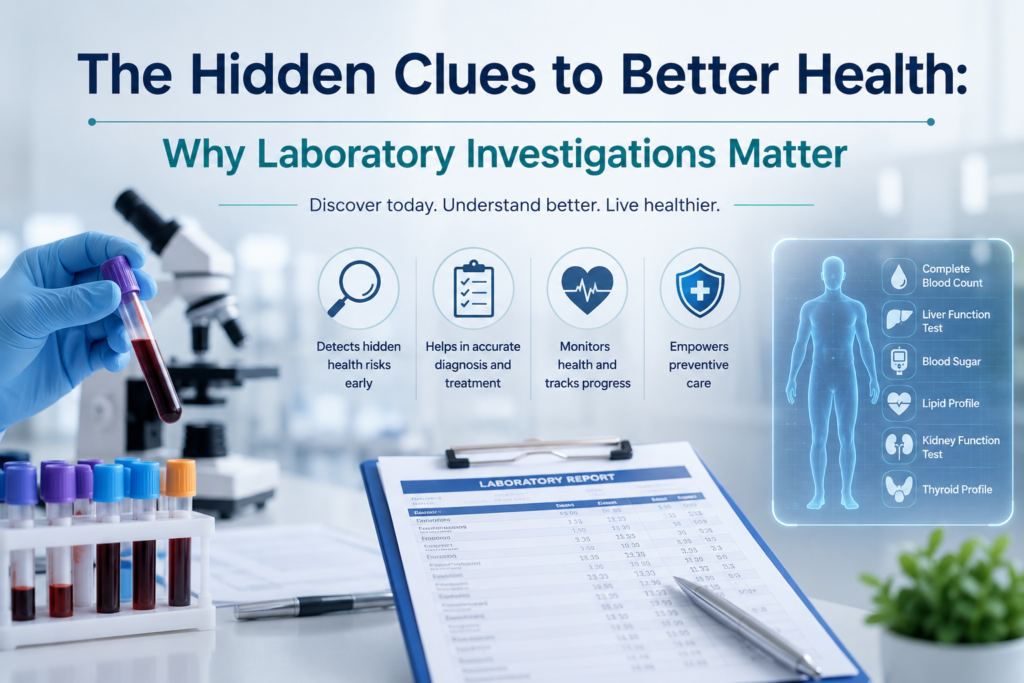
Good health is one of the most valuable assets in life, yet many health conditions develop silently without obvious symptoms. While regular medical checkups are important, laboratory investigations play a critical role in detecting hidden health issues before they become serious. From routine blood tests to specialized diagnostic screenings, laboratory investigations provide essential insights into the body’s internal functioning and help healthcare professionals make accurate diagnoses. Choosing the best pathology lab in gurugram ensures accurate test results, timely reporting, and reliable health assessments, helping individuals take proactive steps toward better health and well-being.
In today’s fast-paced world, preventive healthcare has become more important than ever. Laboratory testing serves as a powerful tool that allows individuals to monitor their health, identify risk factors, and take timely action to prevent diseases. Understanding the importance of laboratory investigations can help people make informed decisions about their health and well-being.

READ MORE : Why a Lipid Profile Test Is Important for Your Heart Health
What Are Laboratory Investigations?
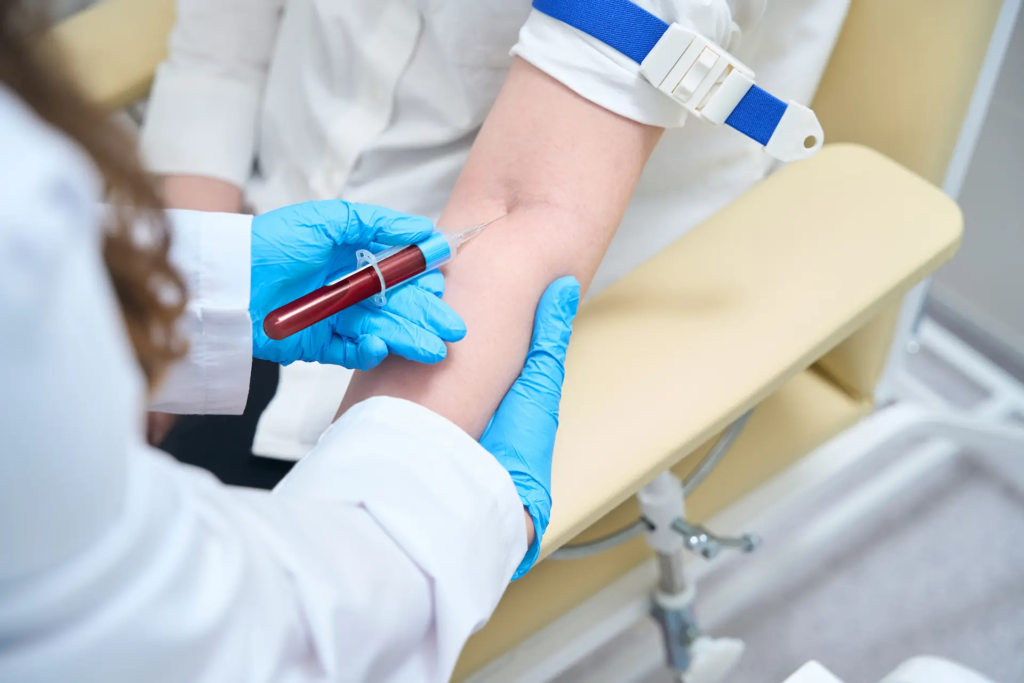
Laboratory investigations are medical tests performed on samples such as blood, urine, stool, saliva, or tissue to evaluate a person’s health status. These tests help doctors identify abnormalities, monitor ongoing conditions, and assess the effectiveness of treatments.
Laboratory investigations can be used for:
- Early disease detection
- Routine health screening
- Diagnosis of medical conditions
- Monitoring chronic diseases
- Evaluating treatment effectiveness
- Assessing nutritional deficiencies
- Detecting infections and inflammation
By analyzing biological samples, laboratory professionals provide accurate data that supports clinical decision-making.
Why Laboratory Investigations Are Essential
Many diseases begin developing long before symptoms become noticeable. Conditions such as diabetes, high cholesterol, liver disease, kidney disorders, and certain cancers may remain undetected for years without proper testing.
Laboratory investigations help uncover hidden health concerns by:
- Identifying abnormalities at an early stage
- Detecting risk factors before complications arise
- Monitoring disease progression
- Guiding personalized treatment plans
- Preventing unnecessary medical complications
These tests provide objective information that cannot always be determined through physical examination alone.
Early Detection Saves Lives
One of the greatest advantages of laboratory investigations is early diagnosis. When diseases are detected in their initial stages, treatment is often more effective and less expensive.
For example:
- Blood sugar tests can identify prediabetes before it develops into diabetes.
- Lipid profile tests can reveal cholesterol imbalances that increase the risk of heart disease.
- Liver function tests can detect liver abnormalities before symptoms appear.
- Kidney function tests can identify declining kidney health early.
Early intervention allows patients to make lifestyle changes or begin treatment before serious complications occur.
Understanding What Happens Inside Your Body
The human body is a complex system where various organs and processes work together to maintain health. Laboratory investigations provide a detailed picture of these internal functions.
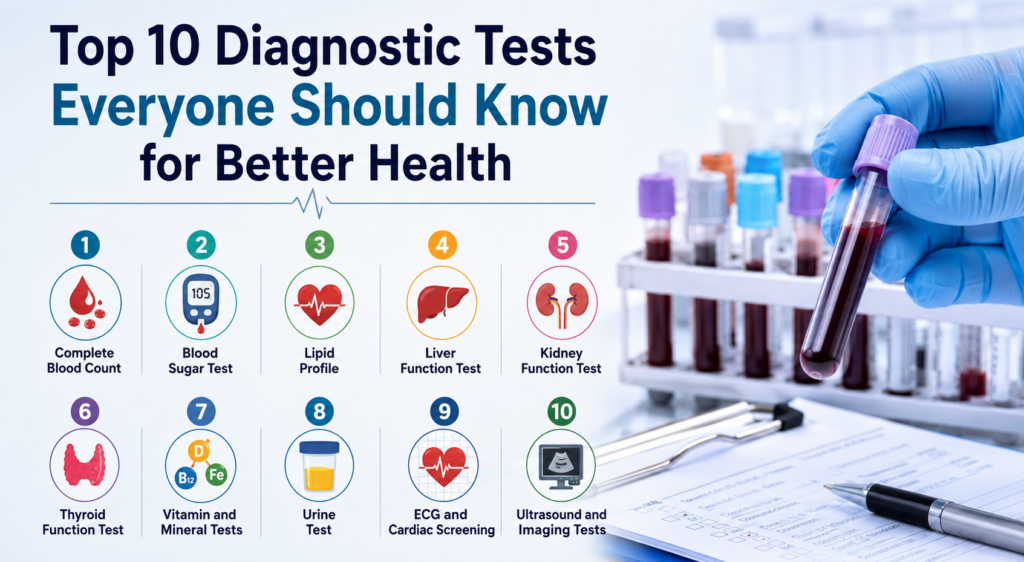
Some common tests and what they reveal include:
Complete Blood Count (CBC)
A CBC evaluates different components of blood and helps identify:
- Anemia
- Infections
- Immune system disorders
- Blood-related diseases
Blood Glucose Testing
This test measures blood sugar levels and helps detect:
- Prediabetes
- Diabetes
- Blood sugar control issues
Lipid Profile
A lipid profile assesses cholesterol and triglyceride levels to evaluate cardiovascular risk.
Liver Function Tests
These tests examine liver health and can identify:
- Liver infections
- Fatty liver disease
- Liver damage
- Medication-related complications
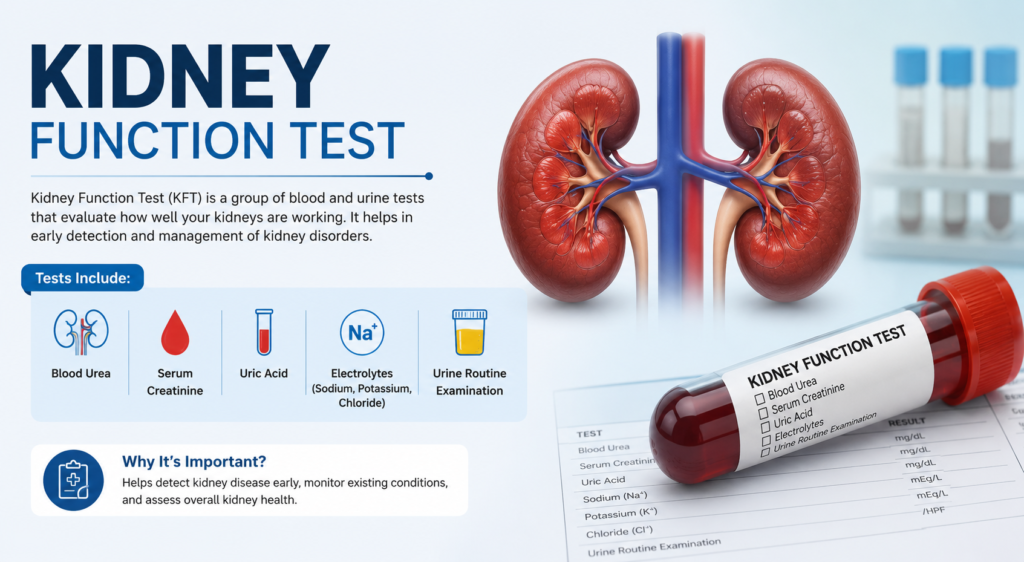
Kidney Function Tests
Kidney tests help monitor:
- Kidney efficiency
- Fluid balance
- Waste removal from the body
Together, these investigations provide valuable insights into overall health.
Supporting Preventive Healthcare
Preventive healthcare focuses on avoiding illness rather than treating disease after it develops. Laboratory testing is a key component of preventive medicine.
Regular screenings can help:
- Detect diseases before symptoms occur
- Monitor health trends over time
- Identify nutritional deficiencies
- Evaluate lifestyle-related health risks
- Encourage healthier habits
People who undergo routine laboratory investigations often have greater awareness of their health status and can take proactive steps toward improvement.
Monitoring Chronic Conditions
For individuals living with chronic illnesses, laboratory investigations are essential for ongoing disease management.
Conditions that require regular monitoring include:
- Diabetes
- Hypertension
- Thyroid disorders
- Kidney disease
- Heart disease
- Liver conditions
Regular testing helps healthcare providers assess whether treatment plans are working effectively and determine if adjustments are needed.
Without laboratory monitoring, complications may go unnoticed until they become severe.

Detecting Nutritional Deficiencies
Many people experience nutritional deficiencies without realizing it. Symptoms such as fatigue, weakness, hair loss, poor concentration, and low immunity may be linked to inadequate nutrient levels.
Laboratory investigations can identify deficiencies in:
- Iron
- Vitamin D
- Vitamin B12
- Folate
- Calcium
- Magnesium
Once detected, deficiencies can be corrected through dietary changes, supplements, or medical treatment.
Improving Treatment Accuracy
Accurate diagnosis is the foundation of effective medical care. Laboratory investigations provide objective evidence that helps doctors make informed decisions.
Rather than relying solely on symptoms, healthcare professionals use laboratory data to:
- Confirm diagnoses
- Rule out potential conditions
- Select appropriate medications
- Determine treatment intensity
- Monitor patient response
This leads to more precise and personalized healthcare.
Helping Identify Silent Health Risks
Some of the most dangerous health conditions develop without noticeable warning signs. These are often referred to as “silent diseases.”
Examples include:
- High cholesterol
- Hypertension-related organ damage
- Early-stage kidney disease
- Fatty liver disease
- Certain cancers
- Thyroid disorders
Laboratory investigations can reveal these hidden risks before they cause irreversible damage.
Early identification allows patients to take preventive measures and improve long-term outcomes.
The Role of Laboratory Testing in Modern Medicine
Modern healthcare relies heavily on laboratory diagnostics. In many cases, laboratory results influence nearly every aspect of patient care.
Healthcare providers use laboratory investigations to:
- Diagnose illnesses
- Evaluate disease severity
- Monitor treatment effectiveness
- Assess recovery progress
- Guide preventive care strategies
Advancements in laboratory technology have improved the speed, accuracy, and reliability of diagnostic testing, making healthcare more effective than ever before.
How Often Should You Get Laboratory Investigations?
The frequency of testing depends on factors such as age, medical history, lifestyle, and family health risks.
General recommendations include:
- Annual health screenings for healthy adults
- More frequent testing for individuals with chronic diseases
- Regular monitoring for people taking long-term medications
- Additional testing based on physician recommendations
Routine health assessments help establish baseline values and identify changes over time.
Choosing a Reliable Laboratory
The accuracy of laboratory investigations depends significantly on the quality of the testing facility.
When selecting a laboratory, consider:
- Accreditation and certifications
- Qualified laboratory professionals
- Advanced diagnostic technology
- Quality control procedures
- Timely reporting
- Comprehensive test offerings
A reliable laboratory ensures accurate results that healthcare providers can trust for diagnosis and treatment decisions.
Conclusion
Laboratory investigations are far more than routine medical procedures. They serve as powerful diagnostic tools that reveal hidden clues about a person’s health, often long before symptoms appear. From detecting diseases early and monitoring chronic conditions to identifying nutritional deficiencies and supporting preventive care, laboratory testing plays a vital role in maintaining overall well-being.
By making laboratory investigations a regular part of healthcare, individuals can gain valuable insights into their health status, reduce the risk of serious illness, and make informed decisions that support a healthier future. Choosing the best pathology lab in gurugram ensures accurate and timely test results, helping individuals take proactive steps toward better health. In a world where prevention is increasingly important, laboratory investigations remain one of the most effective ways to safeguard long-term health and wellness.