Essential Investigations for Kidney Failure Patients: A Complete Guide

Understanding Liver Cirrhosis: Must-Do Investigations for Better Care
April 7, 2026
Investigations for Liver Cirrhosis: Essential Tests for Accurate Diagnosis
April 16, 2026
Kidney failure is a serious health condition that needs careful monitoring, timely diagnosis, and regular follow-up. For every kidney failure patient, the right investigations help doctors understand how well the kidneys are working, what caused the problem, and what treatment is needed next. These tests are not just routine checks. They are essential investigations that guide the complete care of kidney failure patients.
For accurate and reliable test results, choosing the best pathology lab in gurugram is very important. Facilities like House of Pathology Experts are known for advanced diagnostic services, experienced pathologists, and timely reports, which help in better diagnosis and treatment planning
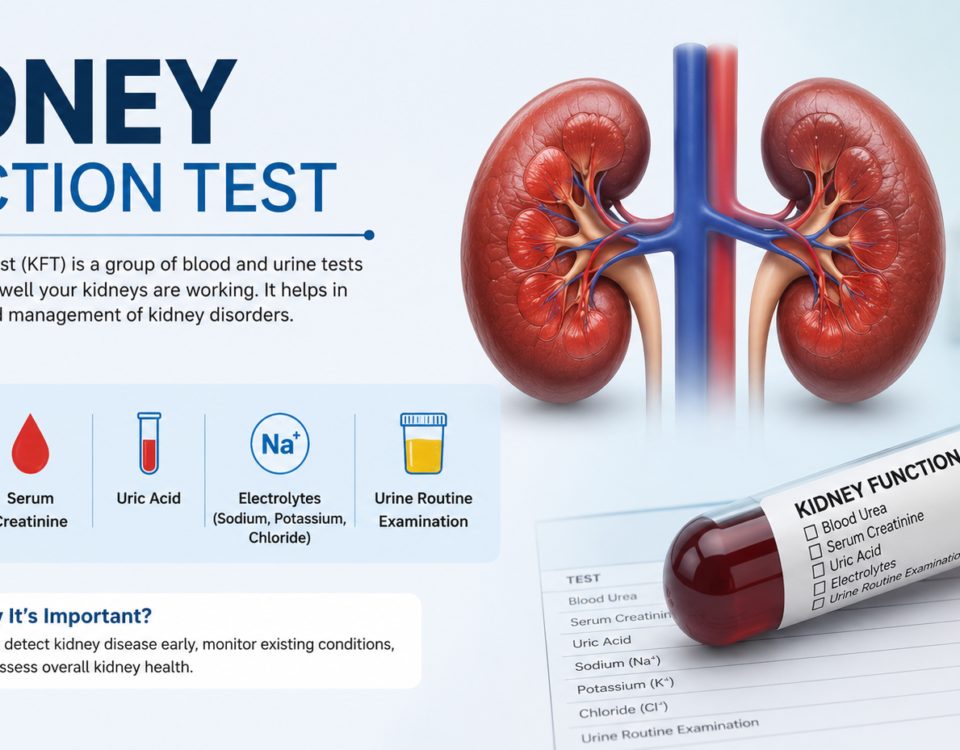
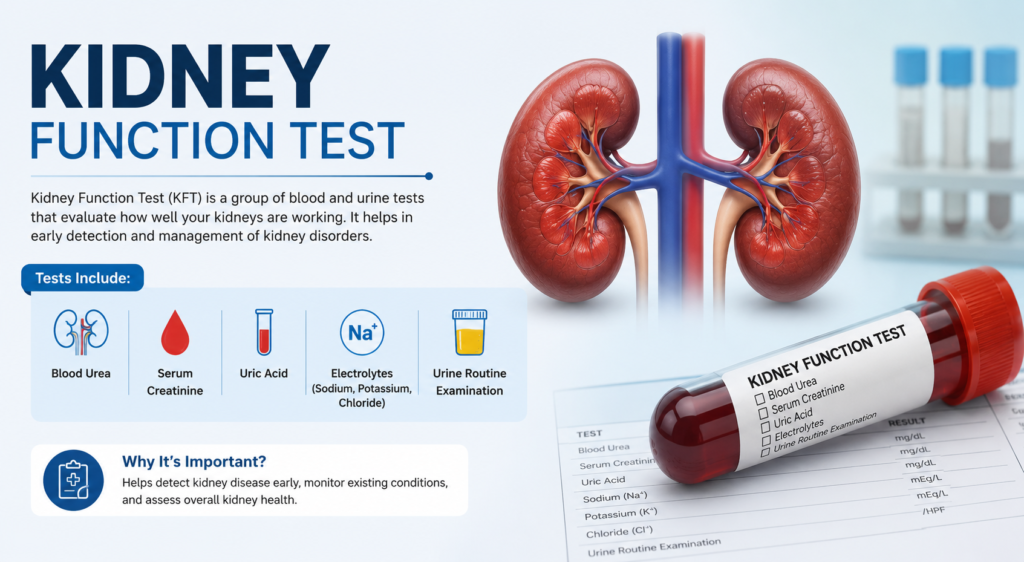
When a person is diagnosed with kidney failure, the first step is to understand the stage and severity of the disease. Essential investigations for kidney failure patients help measure kidney function, detect complications, and prevent further damage. A complete guide to kidney failure care must always include blood tests, urine tests, imaging tests, and some special investigations when needed.
Why Essential Investigations Matter in Kidney Failure
Kidney failure patients often do not show symptoms in the early stage. Many people feel weak, tired, or lose appetite, but these signs can be ignored. That is why essential investigations are so important. They give a clear picture of the kidneys even when the patient does not feel very sick.
For kidney failure patients, regular investigations help in many ways. They show how much kidney function is left, whether waste is building up in the body, and whether the patient needs medication changes, dialysis, or further treatment. A complete guide to kidney failure patients always starts with proper investigation.
Doctors use these investigations to track progress over time. In kidney failure patients, one report is not enough. Repeated tests are needed to understand whether the disease is stable, improving, or getting worse. That is why essential investigations are a long-term part of care.
Blood Tests for Kidney Failure Patients
Blood tests are among the most important essential investigations for kidney failure patients. These tests measure how well the kidneys remove waste and maintain balance in the body.
The first and most common test is serum creatinine. Creatinine is a waste product that the kidneys normally remove from blood. If creatinine levels are high, it may mean the kidneys are not working properly. Another important test is blood urea nitrogen, also called BUN. This test also shows how much waste is building up in the body.
The estimated glomerular filtration rate, or eGFR, is one of the most useful measurements in kidney failure patients. It tells how much blood the kidneys filter each minute. This number helps doctors understand the level of kidney failure and plan treatment. A complete guide for kidney failure patients always includes eGFR because it is a key indicator of kidney health.
Blood electrolytes are also very important. Sodium, potassium, calcium, bicarbonate, and phosphorus must be checked carefully. In kidney failure patients, these levels can become abnormal and may cause weakness, heart problems, swelling, or bone issues. Essential investigations like these help doctors prevent serious complications.
Hemoglobin is another important test. Many kidney failure patients develop anemia because the kidneys do not produce enough erythropoietin, a hormone needed for red blood cell production. A low hemoglobin level may cause tiredness, shortness of breath, and weakness. This is why blood count tests are part of every complete guide for kidney failure patients.
Urine Tests in Kidney Failure Patients
Urine testing is another major part of essential investigations for kidney failure patients. These tests reveal how the kidneys are handling protein, blood, and waste in urine.
A routine urine examination can show protein, blood, sugar, or infection. Protein in urine is especially important because it may indicate kidney damage. Many kidney failure patients have proteinuria, which means excess protein leaking into the urine. This is a key sign that must not be ignored.
A urine protein-to-creatinine ratio or albumin-to-creatinine ratio may also be done. These are more detailed urine tests that help measure the amount of protein loss. In kidney failure patients, such tests are essential for tracking disease progression. A complete guide to kidney failure care should always include urine studies.
Sometimes a 24-hour urine collection may be advised. This gives a more accurate idea of kidney function and protein loss. For kidney failure patients, urine investigations are useful not only for diagnosis but also for follow-up.
Imaging Tests for Kidney Failure Patients
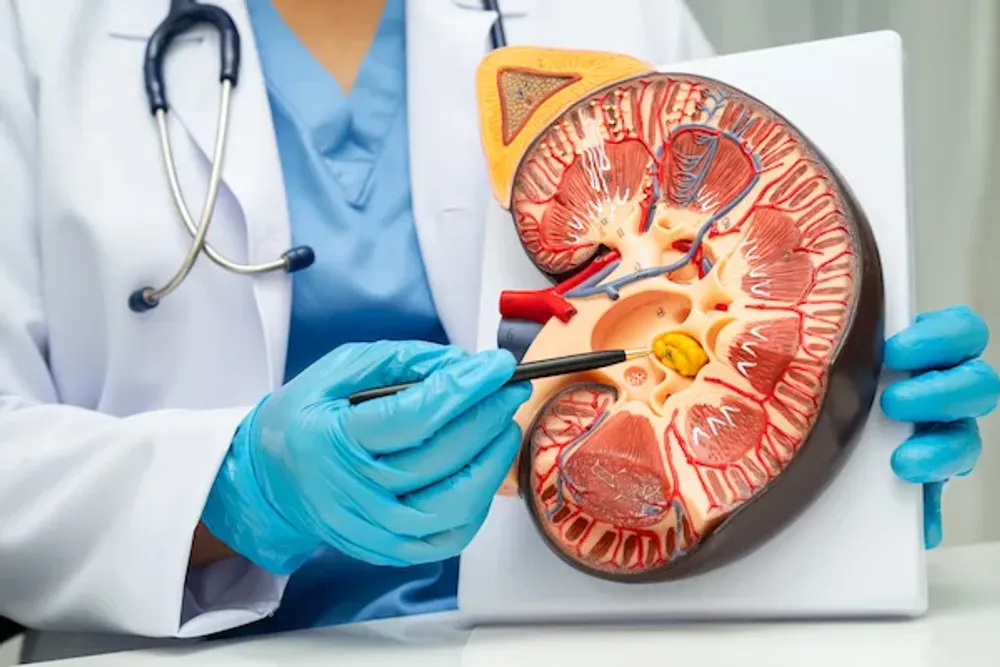
Imaging tests are also part of essential investigations. They help doctors see the size, shape, and structure of the kidneys. In kidney failure patients, this can reveal whether there are stones, swelling, blockage, cysts, or other structural problems.
An ultrasound of the kidneys is usually the first imaging test. It is simple, painless, and useful. It can show if the kidneys are smaller than normal, which often happens in chronic kidney disease and kidney failure. It can also detect obstruction in the urinary tract.
In some kidney failure patients, doctors may recommend CT scan or MRI if more detail is needed. These are not needed for everyone, but they may help in special cases. A complete guide to kidney failure patients should explain that imaging is often just as important as blood and urine tests.
Special Investigations for Kidney Failure Patients
Sometimes essential investigations go beyond routine tests. Depending on the cause of kidney failure, doctors may order special investigations.
If autoimmune disease is suspected, tests like ANA, anti-dsDNA, or ANCA may be done. These help identify conditions that attack the kidneys. If diabetes is present, blood sugar and HbA1c are important because diabetes is a major cause of kidney failure. If high blood pressure is involved, regular blood pressure monitoring is also essential.
In some kidney failure patients, a kidney biopsy may be needed. This is a special test where a small tissue sample from the kidney is examined under a microscope. It helps find the exact cause of kidney damage. Not every kidney failure patient needs a biopsy, but in selected cases it can guide treatment very well.
A complete guide to essential investigations for kidney failure patients should also include tests for bone health, vitamin D, calcium, phosphate, and parathyroid hormone. Kidney failure can affect bone strength and mineral balance, so these tests are useful for long-term care.
How Often Should Kidney Failure Patients Get Tested
The frequency of tests depends on the stage of kidney failure and the patient’s overall condition. Some kidney failure patients need blood and urine tests every few weeks, while others may need them every few months. Patients on dialysis usually need regular monitoring more often.
Doctors decide the schedule based on symptoms, test results, medicines, and complications. The most important thing is consistency. Essential investigations should never be delayed in kidney failure patients because early changes can often be managed better than late complications.
Living Better with Proper Monitoring
A complete guide to kidney failure patients is not only about diagnosis. It is also about living safely with the disease. Regular investigations help patients and doctors work together. They make treatment more effective and reduce the risk of emergencies.
Kidney failure patients should keep a record of their reports, follow doctor advice, take medicines on time, and attend follow-up visits regularly. Essential investigations are the foundation of good kidney care. They help in planning diet, medicines, dialysis, and other treatments in a better way.

Conclusion
Essential investigations for kidney failure patients are the backbone of proper diagnosis and treatment. Blood tests, urine tests, imaging, and special investigations together give a complete guide to kidney health. These tests help doctors find the cause, measure kidney damage, and monitor complications. For kidney failure patients, regular investigation is not optional. It is necessary for safe and effective care.
Access to specialized tests in gurgaon also plays an important role in ensuring accurate diagnosis and advanced monitoring, helping kidney failure patients receive timely and effective treatment with better clinical outcomes.
A complete guide to kidney failure patients should always highlight the importance of early testing, repeated monitoring, and timely treatment. With the right essential investigations, kidney failure patients can receive better care, avoid complications, and improve quality of life.