Top 10 Diagnostic Tests Everyone Should Know for Better Health

Why Regular Health Checkups Matter at Every Stage of Life
June 17, 2026
When Should You Get a Kidney Function Test? Key Reasons Explained
June 25, 2026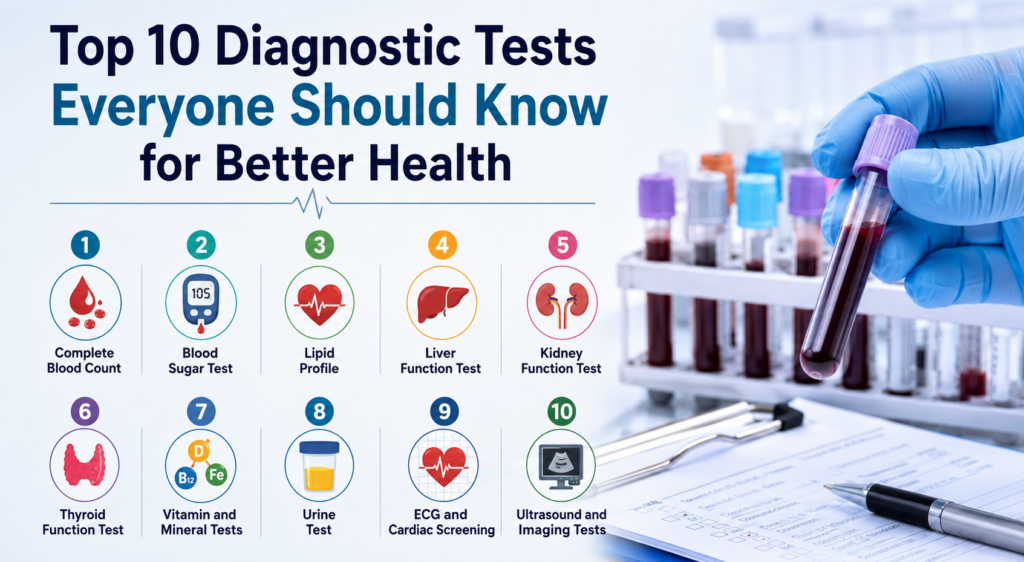
Introduction
Regular health testing is one of the smartest ways to stay ahead of illness and maintain long-term wellness. Many health problems begin quietly, with few or no obvious symptoms. By the time signs appear, the condition may already be more advanced. That is why diagnostic testing matters so much. It helps doctors detect issues early, track existing conditions, and guide better treatment decisions.
Whether someone is managing a chronic condition, facing unusual symptoms, or simply trying to stay proactive, routine tests can provide valuable insight into the body’s current state. A reliable diagnostic center in Gurgaon can make this process easier by offering accurate tests and timely reports. Along with that, choosing the right health packages in Gurgaon can help people get a complete picture of their health at an affordable cost.

1. Complete Blood Count
A Complete Blood Count, often called CBC, is one of the most common and important tests. It measures different components of the blood, including red blood cells, white blood cells, hemoglobin, and platelets.
This test helps identify conditions such as anemia, infection, inflammation, and certain blood disorders. It is often one of the first tests doctors recommend because it offers a broad overview of general health. If a person feels tired, weak, or frequently unwell, a CBC can provide useful clues about the cause.
2. Blood Sugar Test
Blood sugar testing is essential for detecting diabetes and monitoring glucose levels. It is especially important for people who experience frequent thirst, fatigue, weight changes, or increased urination.
Common blood sugar tests include fasting blood sugar and HbA1c. The fasting test measures glucose after an overnight fast, while HbA1c shows average sugar levels over the past few months. Together, they help doctors understand whether blood sugar is under control or needs attention.
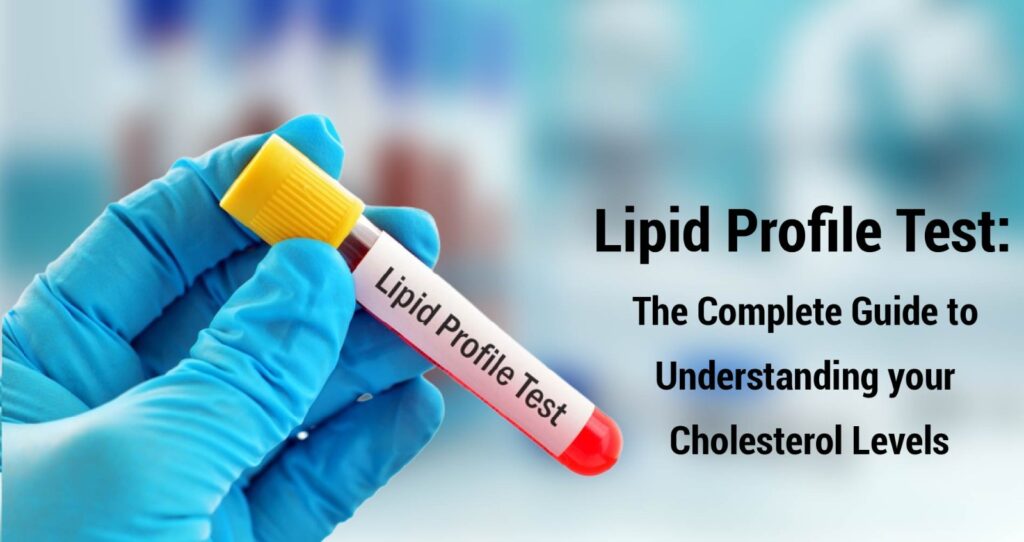
3. Lipid Profile
A lipid profile checks the levels of cholesterol and triglycerides in the blood. These values are important because high cholesterol can increase the risk of heart disease and stroke.
The test usually includes total cholesterol, LDL, HDL, and triglycerides. LDL is often called bad cholesterol, while HDL is considered good cholesterol. A healthy balance of these numbers supports heart health and helps reduce long-term cardiovascular risk.
4. Liver Function Test
The liver plays a major role in digestion, metabolism, and detoxification. A liver function test measures enzymes, proteins, and bilirubin levels to check how well the liver is working.
This test is useful for detecting liver inflammation, fatty liver, infections, and damage caused by medicines or alcohol. It may also be recommended for people with symptoms such as yellowing of the eyes, abdominal discomfort, or persistent tiredness. Since the liver supports many body functions, keeping track of its health is very important.
5. Kidney Function Test
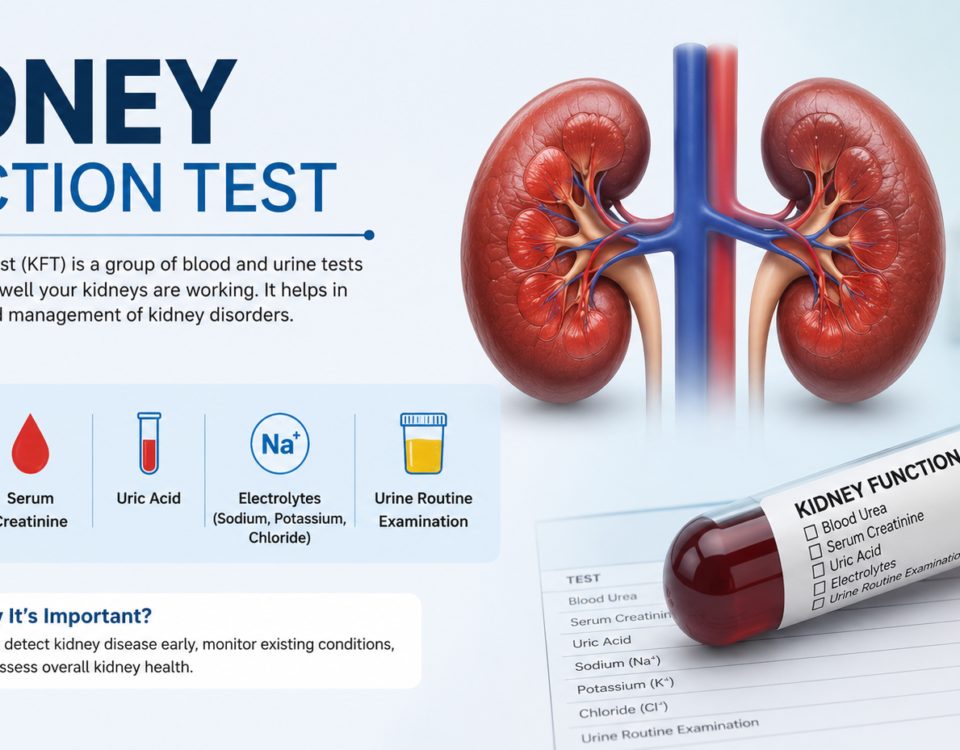
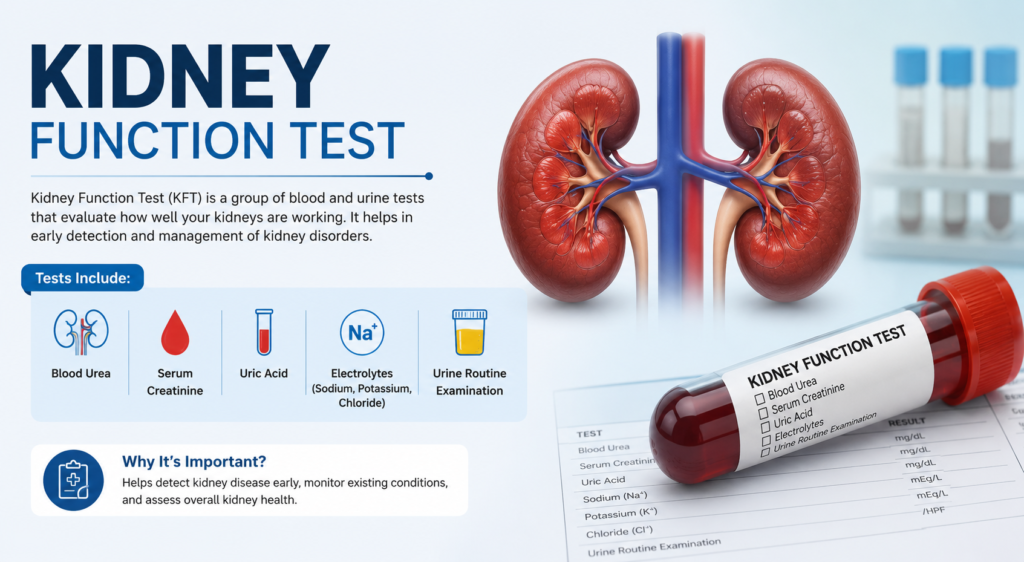
Kidneys filter waste from the blood and help maintain fluid balance in the body. A kidney function test measures substances such as creatinine, urea, and electrolytes to assess kidney performance.
This test is especially important for people with high blood pressure, diabetes, swelling, or urinary symptoms. Early kidney problems may not cause noticeable signs, so regular testing can help detect issues before they become serious. Protecting kidney health is key to overall wellness.
6. Thyroid Function Test
The thyroid is a small gland with a big role in regulating metabolism, energy, and body temperature. A thyroid function test usually measures T3, T4, and TSH levels.
When the thyroid produces too much or too little hormone, a person may feel tired, gain or lose weight, experience mood changes, or notice changes in heart rate. Because thyroid imbalance can affect many parts of the body, this test is often recommended when symptoms seem unexplained.
7. Vitamin and Mineral Tests
Nutritional deficiencies are more common than many people realize. Tests for vitamin B12, vitamin D, iron, and other essential nutrients can reveal hidden gaps in the diet or absorption problems.
Low vitamin D may affect bones and immunity, while low vitamin B12 can cause weakness, numbness, or memory issues. Iron deficiency can lead to fatigue and reduced concentration. These tests are especially useful for people who feel constantly tired or who follow restrictive diets.
8. Urine Test
A urine test may seem simple, but it provides valuable information about many aspects of health. It can help detect infections, kidney problems, diabetes, dehydration, and certain metabolic conditions.
The test checks for sugar, protein, blood, pus cells, and other markers. Since it is quick and non-invasive, it is often used as part of routine checkups or when symptoms such as burning during urination, frequent urination, or abdominal discomfort are present.
9. ECG and Cardiac Screening
An electrocardiogram, or ECG, records the electrical activity of the heart. It helps identify abnormal heart rhythms, signs of poor blood flow, and other cardiac concerns.
This test is important for people with chest discomfort, palpitations, shortness of breath, or a family history of heart disease. In some cases, doctors may also recommend additional cardiac screening depending on age, symptoms, and risk factors. Heart health should never be ignored, especially because early detection can save lives.
10. Ultrasound and Imaging Tests
Ultrasound is a safe and widely used imaging test that helps doctors see inside the body without surgery. It can be used to examine the abdomen, pelvis, thyroid, blood vessels, and more.
This test is helpful for diagnosing gallstones, cysts, organ swelling, pregnancy-related conditions, and many other concerns. Because it gives a clear view of soft tissues and organs, ultrasound often plays an important role in early diagnosis and treatment planning.
Why These Tests Matter
Diagnostic tests are not only for people who are already sick. They are also powerful tools for prevention. Many health conditions become easier to manage when found early. Regular testing can help:
- detect disease before symptoms get severe
- track changes over time
- support better lifestyle choices
- guide treatment more effectively
- reduce the risk of complications
Health checkups also help people feel more in control of their well-being. Instead of guessing what is happening inside the body, test results provide clear information that doctors can use to recommend the right next steps.
Choosing the Right Health Checkup
The best tests depend on age, medical history, lifestyle, and current symptoms. A basic checkup may be enough for some people, while others may need more detailed screenings. It is always wise to speak with a healthcare professional before selecting a test plan.
Many people prefer complete screening options because they save time and cover multiple health markers in one visit. That is where health packages in gurgaon can be especially useful, offering convenience and a broader health overview in a single package.
Conclusion
Knowing the top diagnostic tests is an important step toward better health. From blood counts and sugar checks to thyroid, kidney, and heart screenings, each test plays a valuable role in prevention and early detection. These tests do more than identify illness; they help build a clearer picture of overall wellness.
A trusted diagnostic center in gurgaon can make routine testing simple, accurate, and accessible. With regular health checks and the right guidance, it becomes easier to stay informed, stay prepared, and stay healthy for the long run.