Pneumonia Diagnosis: Essential Tests for Accurate Treatment

Why Kidney Function Tests Are Essential for Early Detection and Better Health
April 29, 2026
Essential Tests and Investigations for Diagnosing High Cholesterol
May 6, 2026
Pneumonia is a serious respiratory infection that affects the lungs and can range from mild to life-threatening, especially in children, older adults, and individuals with weakened immune systems. While symptoms like fever, cough, chest pain, and difficulty breathing may suggest pneumonia, accurate diagnosis relies heavily on a series of clinical investigations. These tests not only confirm the presence of infection but also help identify its cause, severity, and the most effective treatment approach. For reliable and timely results, choosing the best pathology lab in gurugram plays a crucial role in ensuring accurate diagnosis and effective medical care.
Timely and precise investigations play a critical role in preventing complications, reducing hospital stays, and improving patient outcomes.
The First Step: Clinical Examination and Medical History
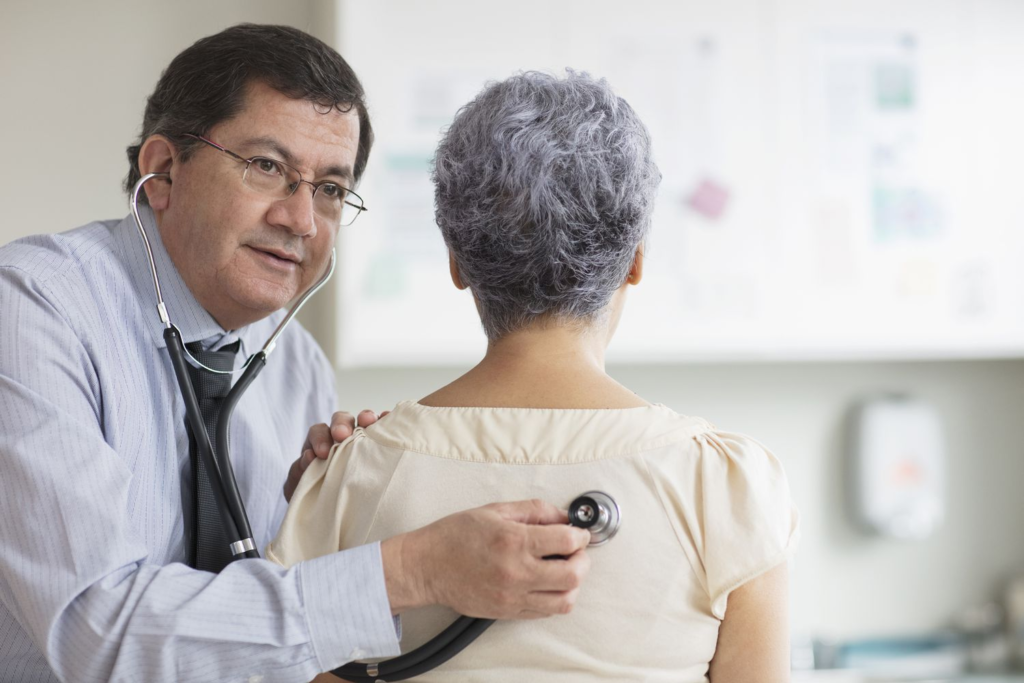
Before any laboratory or imaging tests are conducted, doctors begin with a detailed clinical evaluation. This includes:
- Reviewing the patient’s symptoms such as persistent cough, high fever, and breathlessness
- Understanding medical history, including chronic illnesses or recent infections
- Checking vital signs like temperature, heart rate, oxygen levels, and respiratory rate
- Listening to lung sounds using a stethoscope to detect crackles or abnormal breathing patterns
While this initial step provides valuable clues, it is not sufficient alone to confirm pneumonia, which is why further investigations are necessary.
Chest X-Ray: The Foundation of Diagnosis
A chest X-ray is often the first and most essential imaging test used to diagnose pneumonia. It helps visualize the lungs and identify areas of infection or inflammation.
Key benefits of a chest X-ray include:
- Detecting lung infiltrates or consolidation
- Identifying the location and extent of infection
- Differentiating pneumonia from other conditions like tuberculosis or lung tumors
In many cases, a chest X-ray provides enough evidence to begin treatment, but additional tests may still be needed to determine the underlying cause.
Blood Tests: Understanding Infection and Inflammation
Blood tests are crucial for assessing the body’s response to infection and determining its severity. These tests provide important information about the immune system and overall health.
Common blood tests include:
- Complete Blood Count (CBC): Helps detect elevated white blood cell count, indicating infection
- C-Reactive Protein (CRP): Measures inflammation levels in the body
- Procalcitonin Test: Helps differentiate between bacterial and viral infections
These markers guide doctors in deciding whether antibiotics are necessary and how aggressive the treatment should be.
Sputum Examination: Identifying the Culprit
A sputum test involves analyzing mucus coughed up from the lungs. This test is particularly useful in identifying the specific organism causing pneumonia.
The process includes:
- Collecting a sputum sample in a sterile container
- Examining it under a microscope
- Performing culture tests to grow and identify bacteria
Benefits of sputum testing:
- Pinpoints the exact pathogen (bacteria, virus, or fungus)
- Helps select the most effective antibiotic
- Reduces unnecessary use of broad-spectrum medications
However, not all patients can produce a good sputum sample, especially in mild cases.
Pulse Oximetry: Monitoring Oxygen Levels
Pulse oximetry is a simple, non-invasive test that measures oxygen saturation in the blood. It is performed using a small device placed on the fingertip.
This test helps:
- Assess how well oxygen is being delivered throughout the body
- Identify patients who may need oxygen therapy
- Monitor disease progression and recovery
Low oxygen levels can indicate severe pneumonia and may require immediate medical attention.
CT Scan: A Closer Look at the Lungs
In complex or unclear cases, a CT scan of the chest may be recommended. This advanced imaging technique provides a more detailed view of lung structures than a standard X-ray.
CT scans are particularly useful for:
- Detecting complications such as abscesses or fluid accumulation
- Evaluating patients who do not respond to initial treatment
- Identifying hidden or early-stage infections
Although highly informative, CT scans are usually reserved for specific situations due to cost and radiation exposure.
Blood Cultures: Detecting Infection in the Bloodstream
Blood cultures are performed to check whether the infection has spread to the bloodstream, a condition known as bacteremia. This is especially important in severe pneumonia cases.
Key points about blood cultures:
- Blood samples are collected and incubated to detect microbial growth
- Helps identify the exact organism causing infection
- Guides targeted antibiotic therapy
While not always positive, blood cultures are critical in hospitalized or high-risk patients.

Arterial Blood Gas (ABG) Analysis: Measuring Lung Efficiency
Arterial Blood Gas analysis is a specialized test used to evaluate how well the lungs are functioning. It measures oxygen and carbon dioxide levels directly from arterial blood.
This test is typically recommended for:
- Patients with severe breathing difficulty
- Individuals with low oxygen saturation
- Cases requiring intensive care monitoring
ABG results help doctors make decisions about ventilation support and oxygen therapy.
Molecular and Rapid Diagnostic Tests: The Modern Edge
With advancements in medical technology, molecular tests such as PCR (Polymerase Chain Reaction) have become increasingly important in diagnosing pneumonia.
These tests offer:
- Rapid detection of viral and bacterial DNA
- High accuracy in identifying pathogens
- Early diagnosis, even before symptoms worsen
They are particularly useful during outbreaks or when unusual infections are suspected.
Special Tests for High-Risk Patients
Certain groups, such as elderly individuals, immunocompromised patients, or those with chronic diseases, may require additional investigations.
These may include:
- Bronchoscopy: A procedure to examine the airways and collect samples
- Pleural Fluid Analysis: If fluid accumulates around the lungs
- Fungal or Tuberculosis Testing: In regions where these infections are common
These specialized tests ensure that no underlying condition is overlooked.
Choosing the Right Combination of Tests
Not every pneumonia patient requires all investigations. The choice of tests depends on several factors:
- Severity of symptoms
- Age and medical history
- Response to initial treatment
- Risk of complications
Doctors aim to balance accuracy with cost-effectiveness, ensuring that patients receive the right diagnosis without unnecessary procedures.
How Investigations Guide Treatment Decisions
Accurate diagnostic testing directly impacts treatment strategies. Based on investigation results, doctors can:
- Decide whether antibiotics, antivirals, or antifungals are needed
- Determine if hospitalization is required
- Monitor treatment effectiveness and recovery progress
This targeted approach helps avoid overuse of medications and reduces the risk of antibiotic resistance.
The Role of Timely Diagnosis in Recovery
Early and accurate diagnosis is key to successful pneumonia management. Delayed or incorrect diagnosis can lead to complications such as:
- Respiratory failure
- Sepsis
- Lung abscess
- Long-term lung damage
On the other hand, timely investigations ensure:
- Faster recovery
- Reduced hospital stays
- Lower healthcare costs
- Improved quality of life

Conclusion: Precision in Diagnosis Saves Lives
Pneumonia remains a significant health concern, but modern diagnostic tools have made it more manageable than ever before. From basic clinical examination to advanced molecular testing, each investigation plays a vital role in understanding the disease and guiding effective treatment. Access to a reliable blood test lab in gurgaon further ensures timely and accurate reports, helping doctors make informed decisions for better patient outcomes.
A well-planned diagnostic approach not only identifies the infection but also ensures that patients receive the most appropriate and timely care. Whether in a primary care setting or a hospital environment, accurate investigations are the cornerstone of successful pneumonia management.
If symptoms of pneumonia are suspected, seeking prompt medical evaluation and undergoing the recommended tests can make a crucial difference in outcomes.