Investigations for Liver Cirrhosis: Essential Tests for Accurate Diagnosis

Essential Investigations for Kidney Failure Patients: A Complete Guide
April 9, 2026
Why Choose Trutest for Blood Test Home Collection in Gurgaon?
April 22, 2026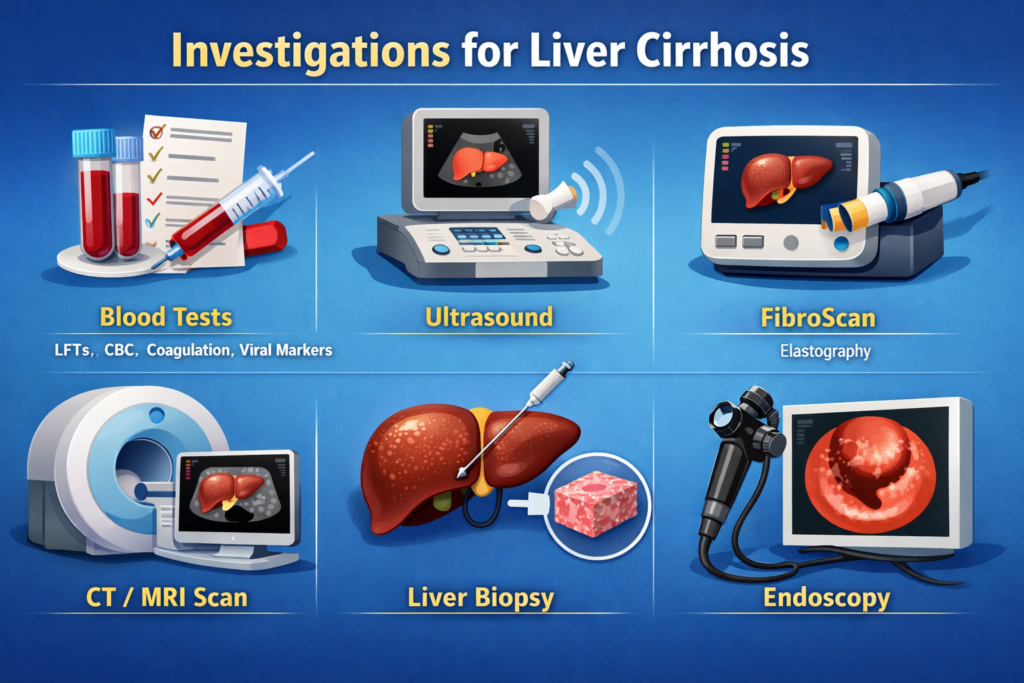
Liver cirrhosis is a long-term condition in which healthy liver tissue is gradually replaced by scar tissue, reducing the liver’s ability to work properly. Early and accurate diagnosis is very important because timely care can help manage symptoms, slow progression, and prevent serious complications. That is why Investigations for Liver Cirrhosis play such a vital role in patient care. These tests help doctors understand the condition of the liver, find the possible cause, and assess how much damage has already happened. For patients seeking advanced diagnostic support, opting specialized tests in gurgaon can ensure more precise evaluation and timely medical intervention.
When a person has signs like fatigue, jaundice, abdominal swelling, loss of appetite, or unexplained weakness, doctors may recommend Investigations for Liver Cirrhosis to confirm whether cirrhosis is present. In many cases, the disease may develop slowly and remain unnoticed for a long time. This makes Investigations for Liver Cirrhosis even more important for early detection and proper treatment planning.
Why Investigations for Liver Cirrhosis Are Important
The liver performs many essential functions, including filtering toxins, producing proteins, storing nutrients, and helping with digestion. When cirrhosis develops, these functions are affected. Investigations for Liver Cirrhosis are needed not only to diagnose the condition but also to evaluate the stage of damage.
These tests can help doctors:
- Confirm whether cirrhosis is present
- Identify the underlying cause, such as hepatitis, alcohol-related damage, or fatty liver disease
- Measure liver function
- Detect complications like portal hypertension or fluid buildup
- Plan the right treatment and follow-up care
Without proper Investigations for Liver Cirrhosis, the condition may be missed until it becomes advanced. That is why medical experts often recommend a combination of blood tests, imaging tests, and sometimes biopsy.
Blood Tests in Investigations for Liver Cirrhosis
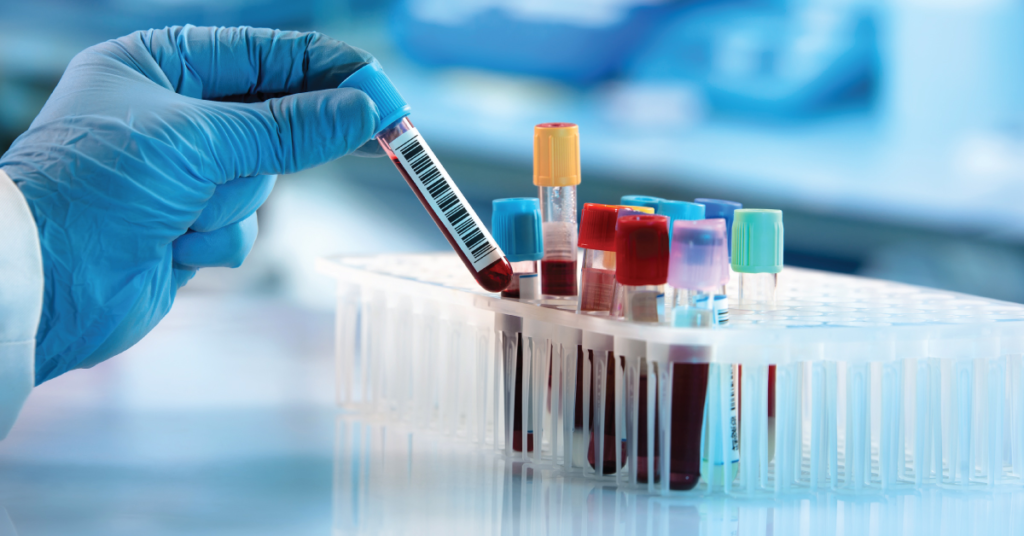
Blood tests are often the first step in Investigations for Liver Cirrhosis. They give important clues about liver function and inflammation. One of the most common tests is the liver function test, which measures enzymes and proteins in the blood.
Important blood tests include:
Liver Function Tests
Liver function tests check substances such as ALT, AST, bilirubin, albumin, and alkaline phosphatase. Abnormal results may suggest liver injury or poor liver function. In Investigations for Liver Cirrhosis, these values help doctors understand how well the liver is working.
Complete Blood Count
A complete blood count can show anemia, low platelets, or signs of infection. In cirrhosis, platelet count may drop because of portal hypertension or spleen enlargement. This is why a CBC is often included in Investigations for Liver Cirrhosis.
Prothrombin Time and INR
The liver produces clotting factors, so when liver function is reduced, blood may take longer to clot. PT and INR are important Investigations for Liver Cirrhosis because they show whether the liver is making enough clotting proteins.
Viral Hepatitis Tests
Hepatitis B and hepatitis C are major causes of cirrhosis. Testing for these viruses is a key part of Investigations for Liver Cirrhosis. If an infection is found early, it may be treated before more liver damage occurs.
Imaging Tests in Investigations for Liver Cirrhosis
Imaging tests help doctors look at the structure of the liver and nearby organs. These are a major part of Investigations for Liver Cirrhosis because they can show changes that blood tests alone cannot detect.
Ultrasound Scan
An abdominal ultrasound is usually one of the first imaging tests. It can show a shrunken liver, nodular liver surface, enlarged spleen, or fluid in the abdomen. Ultrasound is one of the most useful Investigations for Liver Cirrhosis because it is simple, safe, and widely available.
CT Scan and MRI
In some cases, doctors may suggest CT or MRI for a more detailed view. These tests can help identify liver lumps, blocked blood flow, or advanced structural changes. CT and MRI are valuable Investigations for Liver Cirrhosis when more precise imaging is needed.
FibroScan and Elastography
FibroScan is a special test that measures liver stiffness. A stiff liver often means more scar tissue. This test has become very important in Investigations for Liver Cirrhosis because it is non-invasive and can help estimate the amount of fibrosis. In many cases, it reduces the need for biopsy.
Endoscopy in Investigations for Liver Cirrhosis
Cirrhosis can lead to portal hypertension, which increases pressure in the veins around the liver. This may cause swollen veins in the food pipe, called varices. These varices can bleed and become life-threatening.
An upper endoscopy may be recommended as part of Investigations for Liver Cirrhosis to check for varices and stomach-related complications. If varices are found, doctors can plan preventive treatment. This makes endoscopy a very important step in Investigations for Liver Cirrhosis for patients with advanced disease or symptoms of portal hypertension.
Liver Biopsy in Investigations for Liver Cirrhosis
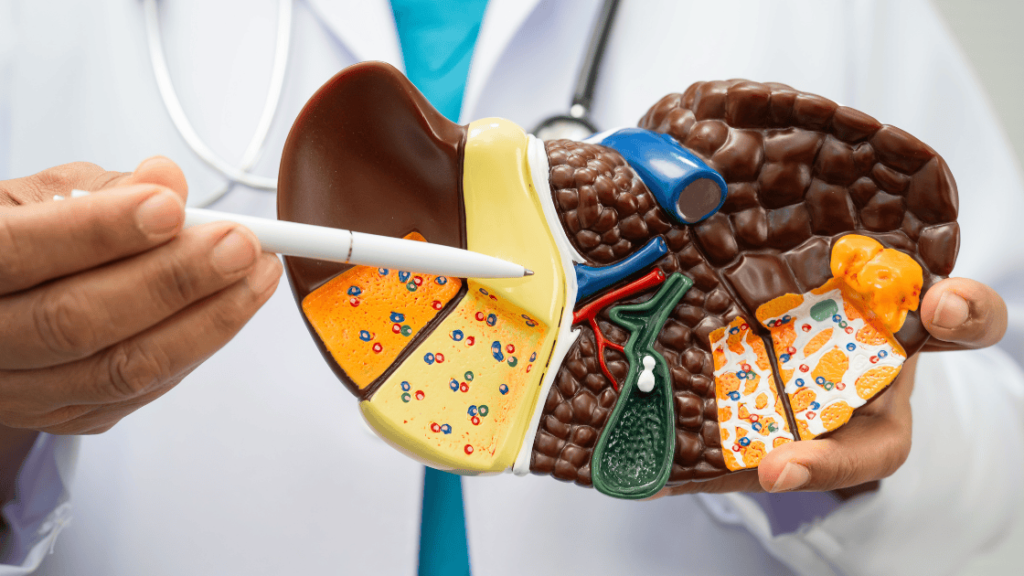
A liver biopsy is not always needed, but it may be recommended in some cases when diagnosis is unclear. During this test, a small sample of liver tissue is taken and examined under a microscope. This helps confirm the extent of scarring and identify the exact cause.
Although less common today than before, biopsy is still one of the most accurate Investigations for Liver Cirrhosis in selected patients. It is especially helpful when blood tests and imaging results do not give a complete answer.
Additional Tests in Investigations for Liver Cirrhosis
Sometimes doctors may order extra tests to understand complications or causes more clearly. These may include:
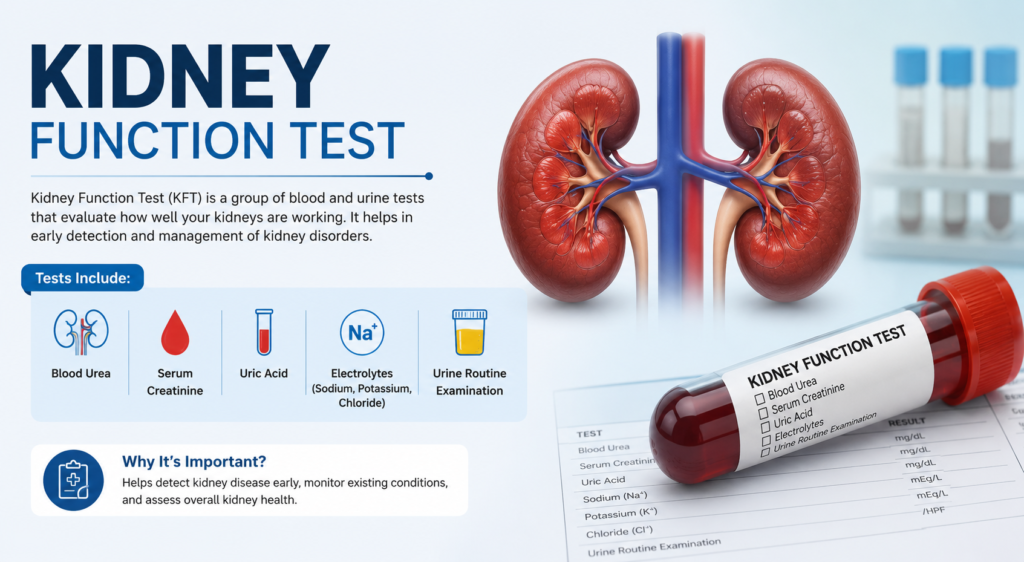
Kidney Function Tests
Cirrhosis can affect kidney health, so blood urea and creatinine tests may be done. Kidney status is an important part of Investigations for Liver Cirrhosis because liver and kidney problems can occur together.
Electrolyte Tests
Sodium and potassium levels may change in cirrhosis, especially if fluid retention is present. These tests are often included in Investigations for Liver Cirrhosis to monitor overall body balance.
Alpha-Fetoprotein Test
If there is a risk of liver cancer, doctors may check alpha-fetoprotein along with imaging. This is also part of broader Investigations for Liver Cirrhosis when long-term liver disease is present.
How Doctors Decide Which Investigations for Liver Cirrhosis Are Needed
Not every patient needs every test. Doctors choose based on symptoms, medical history, and physical examination. For example, someone with mild symptoms may start with blood work and ultrasound, while a patient with suspected advanced cirrhosis may need more detailed Investigations for Liver Cirrhosis such as FibroScan, endoscopy, or biopsy.
The doctor may also ask about alcohol use, viral hepatitis risk, obesity, diabetes, or autoimmune disease. These clues help decide the most useful Investigations for Liver Cirrhosis and guide further treatment.
Benefits of Early Diagnosis Through Investigations for Liver Cirrhosis
Early diagnosis offers many benefits. It can help treat the cause before the liver is severely damaged. It can also reduce the risk of serious problems such as fluid buildup, bleeding, confusion, infections, and liver cancer. This is why Investigations for Liver Cirrhosis should never be delayed when symptoms or risk factors are present.
With the right Investigations for Liver Cirrhosis, doctors can monitor the condition over time and make changes in treatment when needed. Patients may also receive advice on diet, medicines, infection prevention, and regular follow-up.
Conclusion
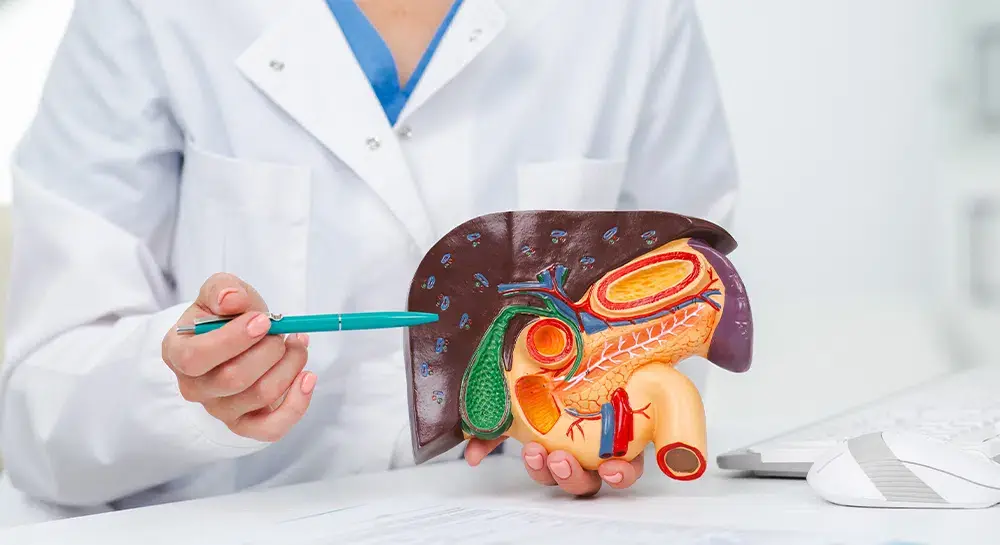
Cirrhosis is a serious liver condition, but with timely diagnosis and proper care, its effects can often be managed better. Investigations for Liver Cirrhosis are essential for identifying liver damage, finding the cause, and checking for complications. Blood tests, ultrasound, FibroScan, endoscopy, MRI, CT scan, and biopsy all have an important role depending on the patient’s condition. For accurate and reliable results, choosing the best pathology lab in gurugram is equally important, as high-quality diagnostics ensure proper evaluation and better treatment planning.
If liver disease is suspected, completing the right Investigations for Liver Cirrhosis as early as possible can make a major difference in treatment and long-term health. Accurate testing leads to accurate diagnosis, and accurate diagnosis leads to better care.