Understanding Liver Cirrhosis: Must-Do Investigations for Better Care

Understanding Cervical Cancer Tests: What Every Woman Should Know
April 3, 2026
Essential Investigations for Kidney Failure Patients: A Complete Guide
April 9, 2026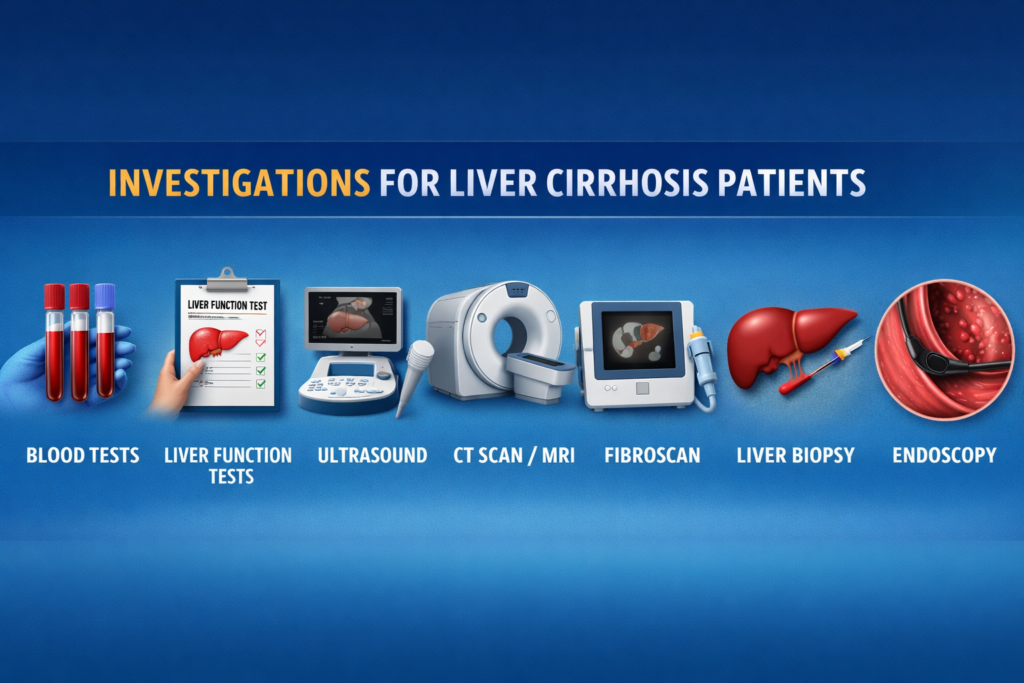
Liver cirrhosis is a serious and progressive condition that affects millions of people worldwide. It develops when healthy liver tissue is gradually replaced with scar tissue, leading to impaired liver function. Understanding liver cirrhosis and identifying the must-do investigations for better care is essential for early diagnosis, proper treatment, and improved quality of life. In this article, we will explore everything you need to know about understanding liver cirrhosis, the key investigations required for better care, and the role of specialized tests in gurgaon

What is Liver Cirrhosis
Understanding liver cirrhosis begins with knowing what it actually is. Liver cirrhosis is the final stage of chronic liver disease, where continuous damage leads to scarring and loss of liver function. The liver plays a vital role in digestion, detoxification, and metabolism. When cirrhosis develops, these functions are severely affected.
Common causes include long-term alcohol consumption, viral hepatitis, fatty liver disease, and certain genetic conditions. Early understanding liver cirrhosis helps in preventing complications and ensures timely medical intervention.
Symptoms of Liver Cirrhosis
Understanding liver cirrhosis also involves recognizing its symptoms. In the early stages, symptoms may be mild or even unnoticed. However, as the disease progresses, symptoms become more visible.
Common symptoms include fatigue, weakness, loss of appetite, nausea, swelling in legs and abdomen, yellowing of skin and eyes (jaundice), and easy bruising. Recognizing these signs is crucial for early diagnosis and better care.
Importance of Early Diagnosis
Understanding liver cirrhosis emphasizes the importance of early diagnosis. Early detection allows doctors to manage the condition effectively and slow its progression. Delayed diagnosis can lead to severe complications such as liver failure, internal bleeding, and even liver cancer.
Regular health check-ups and awareness play a key role in identifying liver problems early. This is why understanding liver cirrhosis and undergoing must-do investigations for better care is extremely important.
Must-Do Investigations for Better Care
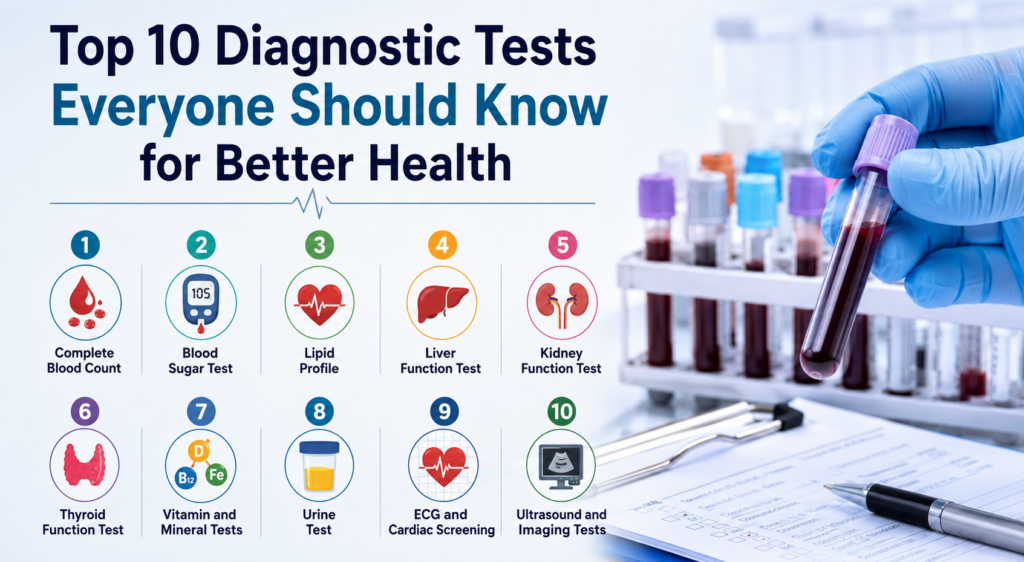
When it comes to understanding liver cirrhosis, certain investigations are essential for accurate diagnosis and monitoring. These tests help doctors assess liver function, detect damage, and plan appropriate treatment.
Blood Tests
Blood tests are one of the most important investigations in understanding liver cirrhosis. These tests evaluate liver enzymes, bilirubin levels, and protein levels in the blood. Abnormal results can indicate liver damage and help in diagnosing cirrhosis.
Liver Function Tests (LFT)
Liver Function Tests are a group of blood tests that provide detailed information about the liver’s health. They measure enzymes and proteins that indicate how well the liver is working. Understanding liver cirrhosis becomes easier with regular LFT monitoring.
Ultrasound Scan
An ultrasound scan is a non-invasive imaging test used to examine the liver. It helps detect changes in liver size, structure, and the presence of scarring or fluid accumulation. This investigation is crucial for better care and ongoing monitoring.
CT Scan and MRI
Advanced imaging techniques like CT scans and MRI provide a detailed view of the liver. These tests help in identifying complications such as tumors or severe scarring. Understanding liver cirrhosis through these investigations ensures accurate diagnosis.
FibroScan
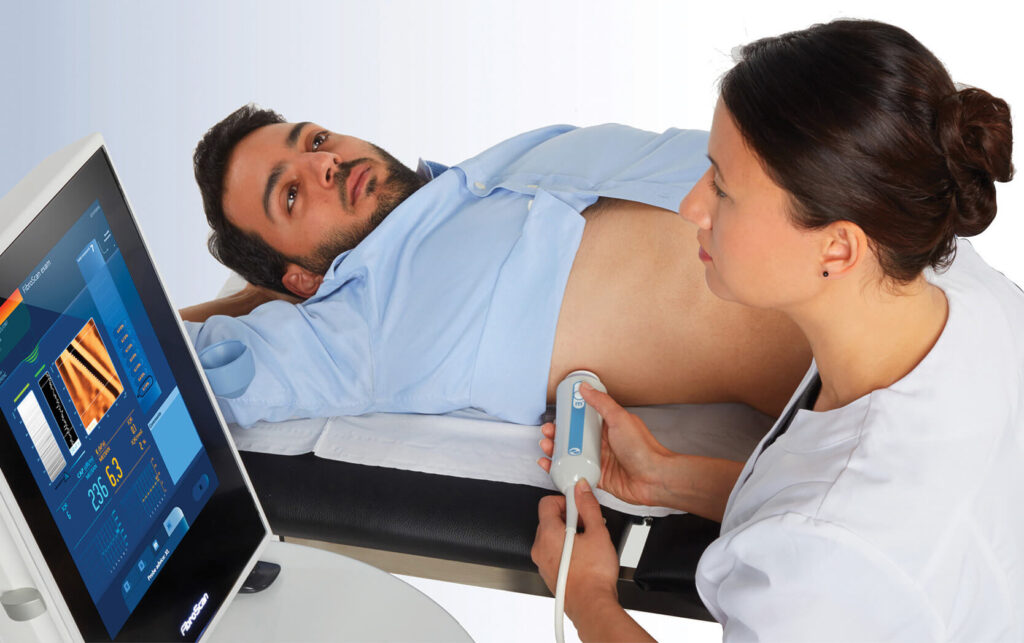
FibroScan is a specialized test used to measure liver stiffness, which indicates the level of fibrosis or scarring. It is painless and provides quick results, making it a valuable tool in understanding liver cirrhosis and planning treatment.
Liver Biopsy
In some cases, a liver biopsy may be recommended. This involves taking a small sample of liver tissue for examination. It provides a definitive diagnosis and helps determine the severity of cirrhosis.
Endoscopy
Endoscopy is used to check for enlarged veins (varices) in the esophagus or stomach, which can occur due to cirrhosis. Detecting these early is important for preventing life-threatening complications.
Role of Regular Monitoring
Understanding liver cirrhosis is not just about diagnosis but also about continuous monitoring. Regular follow-ups and repeated investigations help track disease progression and adjust treatment plans accordingly.
Patients should follow their doctor’s advice and undergo routine tests to ensure better care. Monitoring helps in preventing complications and improving long-term outcomes.

Lifestyle Changes for Better Care
Understanding liver cirrhosis also involves making necessary lifestyle changes. These changes play a significant role in managing the condition and preventing further damage.
Avoiding alcohol, maintaining a healthy diet, managing weight, and staying physically active are essential steps. Patients should also avoid medications that can harm the liver unless prescribed by a doctor.
Treatment Options
While understanding liver cirrhosis, it is important to know that treatment focuses on managing symptoms and preventing complications. The treatment plan depends on the cause and severity of the disease.
Medications may be prescribed to control symptoms, treat infections, and reduce complications. In advanced cases, a liver transplant may be required. Early understanding liver cirrhosis and proper investigations can help delay or avoid severe outcomes.
Preventing Liver Cirrhosis
Prevention is always better than cure. Understanding liver cirrhosis helps in taking preventive measures such as limiting alcohol intake, maintaining a healthy lifestyle, and getting vaccinated against hepatitis.
Regular health check-ups and timely investigations are key to preventing liver damage and ensuring better care.
Conclusion
Understanding liver cirrhosis is essential for early detection, effective treatment, and improved quality of life. The must-do investigations for better care, including blood tests, imaging, and specialized procedures, play a crucial role in diagnosis and monitoring. Choosing the best diagnostic center in gurugram ensures accurate test results, advanced technology, and expert medical support, which are vital for proper evaluation and ongoing management of liver cirrhosis.
By staying informed, undergoing regular check-ups, and adopting a healthy lifestyle, individuals can manage liver cirrhosis effectively. Always consult a healthcare professional for proper guidance and ensure timely investigations for better care.