Newborn Baby Health Investigation: A Safe Start to Life

Pregnancy Blood Tests Explained: Week-by-Week Guide for Moms-to-Be
March 20, 2026
Understanding Cervical Cancer Tests: What Every Woman Should Know
April 3, 2026
Bringing a newborn into the world is a joyful moment, but it also brings a strong need for careful medical attention. Newborn Baby Health Investigation is an important part of early care because it helps doctors check whether the baby is adapting well to life outside the womb. In the first hours and days after birth, a baby’s body goes through many changes, and these checks help identify any issue early. A complete Newborn Baby Health Investigation, along with access to Specialized Tests in Gurgaon, can support healthy growth, timely treatment, and peace of mind for parents.
Why Early Health Checks Matter
The first few days after birth are very important for every baby. A Newborn Baby Health Investigation helps doctors understand the baby’s breathing, heartbeat, feeding ability, temperature control, and overall condition. Many health concerns in newborns do not show clear symptoms at first, so early testing becomes valuable.
Parents should understand that Newborn Baby Health Investigation is not only for babies who look unwell. Even healthy-looking babies may need screening to detect hidden problems. Early detection often leads to simple and effective treatment, which can make a major difference in the baby’s future health.
First Medical Examination After Birth
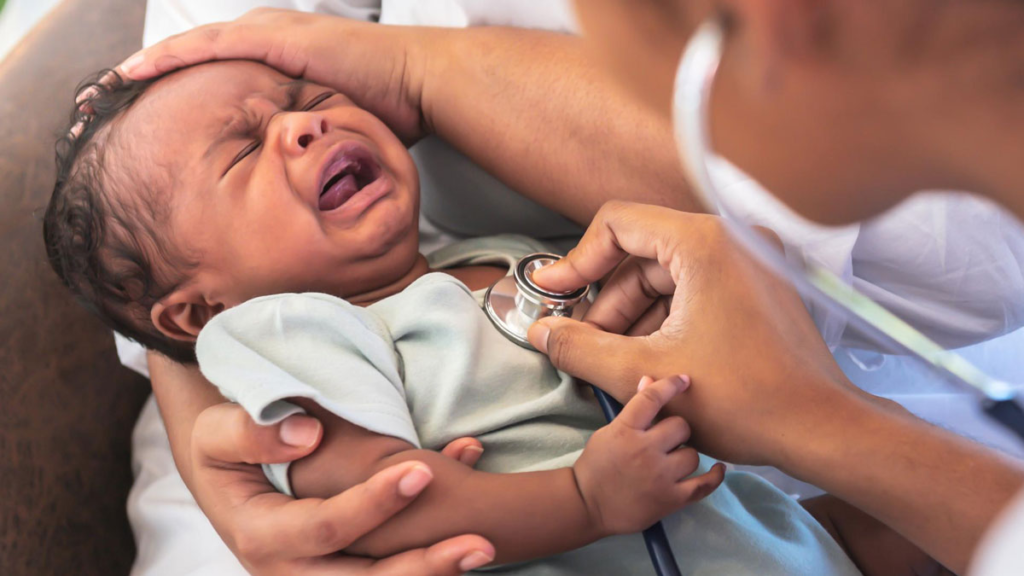
Right after delivery, doctors usually perform an initial check to see how the baby is adjusting. This first step in Newborn Baby Health Investigation includes observation of the baby’s color, breathing, muscle tone, and reflexes. The doctor also checks whether the baby is crying well and whether the heart rate is normal.
Important points in this stage include:
- Checking breathing and heartbeat
- Looking at skin color and muscle movement
- Making sure the baby is warm and active
- Observing feeding readiness
This early part of Newborn Baby Health Investigation helps identify immediate concerns that may need quick care.
Weight, Length, and Growth Assessment
A baby’s physical measurements are another key part of Newborn Baby Health Investigation. Doctors record the baby’s birth weight, length, and head size to compare with normal growth patterns. These numbers help create a starting point for future checkups.
If a baby is smaller or larger than expected, the doctor may advise closer monitoring. This does not always mean there is a problem, but it does mean the baby should be followed carefully. Growth assessment during Newborn Baby Health Investigation helps track healthy development from the beginning.
Screening for Common Medical Conditions
One of the most valuable parts of Newborn Baby Health Investigation is screening for conditions that may not be visible at birth. These can include blood-related issues, metabolic concerns, hearing difficulties, or heart-related problems. Early testing helps find conditions that can affect development if left unnoticed.
Some common screening tests may include:
- Blood tests for inherited or metabolic disorders
- Hearing screening
- Oxygen level checks
- Jaundice monitoring
These tests are a normal and safe part of Newborn Baby Health Investigation. They help doctors act quickly if a baby needs extra support.
Feeding and Nutrition Observation
Feeding is a major concern in the first days of life. During Newborn Baby Health Investigation, doctors and nurses may observe how well the baby latches, suckles, swallows, and digests milk. A baby who feeds well is more likely to stay hydrated, gain weight, and recover smoothly after birth.
Parents should watch for signs such as poor feeding, repeated vomiting, weak sucking, or unusual sleepiness. These signs do not always mean something serious, but they should be discussed with a doctor. Good feeding support is an essential part of Newborn Baby Health Investigation and helps build a strong foundation for health.
Temperature, Jaundice, and General Observation
Newborns can lose body heat easily, so temperature monitoring is very important. Newborn Baby Health Investigation includes checking whether the baby is staying warm enough. A low body temperature can affect feeding, alertness, and comfort.
Jaundice is another common condition that doctors watch for closely. It causes yellowing of the skin or eyes and may appear in the first few days. In most cases, it can be managed well, but it should always be checked. General observation during Newborn Baby Health Investigation also includes sleep patterns, activity level, crying, and response to touch.
Key signs parents should report include:
- Poor feeding
- Yellow skin or eyes
- Difficulty breathing
- Unusual sleepiness
- Fever or low temperature
Vaccination and Preventive Care
Preventive care is one of the strongest parts of Newborn Baby Health Investigation. Vaccines given at birth and in the early weeks help protect the baby from serious diseases. Doctors also guide parents about the next vaccination schedule and basic hygiene care.
Along with vaccination, preventive advice may include proper breastfeeding, cord care, safe sleep position, and regular follow-up visits. These simple steps support the success of Newborn Baby Health Investigation and help reduce future health risks. Prevention is always better than treatment when it comes to newborn care.
Signs That Need Immediate Attention
Parents should know which symptoms need urgent medical review. Even after a normal Newborn Baby Health Investigation, a baby can develop warning signs later. Quick action matters because newborns can become unwell faster than older children.
Seek medical advice quickly if the baby has:
- Trouble breathing
- Repeated refusal to feed
- Blue lips or pale skin
- High fever or very low temperature
- Continuous crying or extreme quietness
- Fewer wet diapers than expected
These signs should never be ignored. A timely response can protect the baby’s health and support better outcomes.
Role of Parents in Early Care
Parents play a major role in the success of Newborn Baby Health Investigation. They are the first people to notice changes in feeding, sleep, crying, and body movement. By staying attentive and asking questions, parents can support the doctor’s care plan and feel more confident.
Keeping a simple record of feeding times, urine output, sleep patterns, and any unusual changes can be very helpful. Regular communication with the healthcare team makes Newborn Baby Health Investigation more effective and reassuring. A calm and observant home environment also supports the baby’s recovery and growth.
Building a Strong Start for the Future
A baby’s first days can shape health for months and years ahead. That is why Newborn Baby Health Investigation is such a valuable step in early life. It helps doctors find concerns early, guide parents clearly, and protect the baby with preventive care. When screening, observation, and follow-up are done properly, the baby gets a much safer start, especially when supported by a trusted Diagnostic Center in Gurgaon

Every family wants the best for their child, and Newborn Baby Health Investigation is one of the best ways to begin that journey. It brings together medical support, parent awareness, and timely action. With careful attention in the newborn period, a baby has a better chance to grow, develop, and thrive.
Newborn Baby Health Investigation is not just a medical procedure. It is the beginning of safe, thoughtful, and responsible care. By paying attention to early checkups, feeding, temperature, screenings, and warning signs, parents can give their baby the healthiest possible start in life