The Need for Diagnostic Tests to Limit the Impact of Air Pollution on Respiratory Health

Metabolic Testing: Your Roadmap to Sustainable Health and Lifelong Wellness
February 19, 2026
A Complete Guide to Intermittent Fasting: Benefits, Methods, Risks, and Limitations
March 12, 2026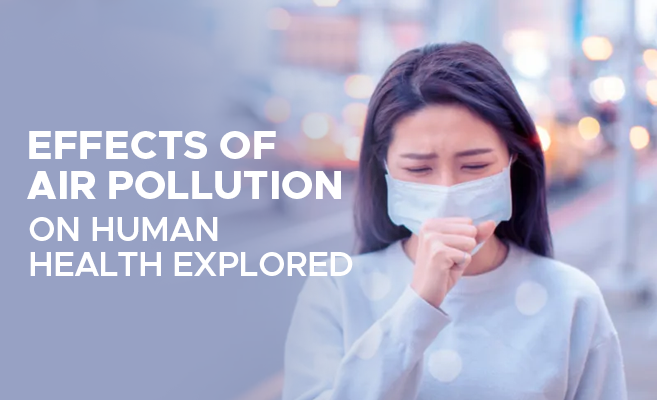
Air pollution has become one of the most serious environmental and public health challenges in modern society. Rapid urbanization, industrial growth, vehicle emissions, construction dust, and burning of fossil fuels have significantly worsened the quality of air we breathe. As a result, millions of people worldwide are exposed to harmful pollutants every day, which directly affect their respiratory systems.
Breathing polluted air for prolonged periods can lead to a variety of respiratory problems ranging from mild irritation to severe chronic diseases. The lungs act as the primary entry point for polluted air, making them extremely vulnerable to damage caused by toxic particles and gases. In such a situation, diagnostic tests for respiratory health play a crucial role in detecting early damage caused by air pollution. Visiting a reliable Diagnostic Center in Gurugram can help individuals undergo timely respiratory screenings and advanced medical tests that identify lung issues at an early stage, allowing proper treatment and better protection against pollution-related health risks.
Early diagnosis through proper medical testing allows doctors to identify respiratory conditions before they become severe. These tests help monitor lung function, detect infections, and assess the impact of pollutants on breathing capacity. Therefore, the need for diagnostic tests to limit the impact of air pollution on respiratory health has never been more important.
Understanding How Air Pollution Affects Respiratory Health
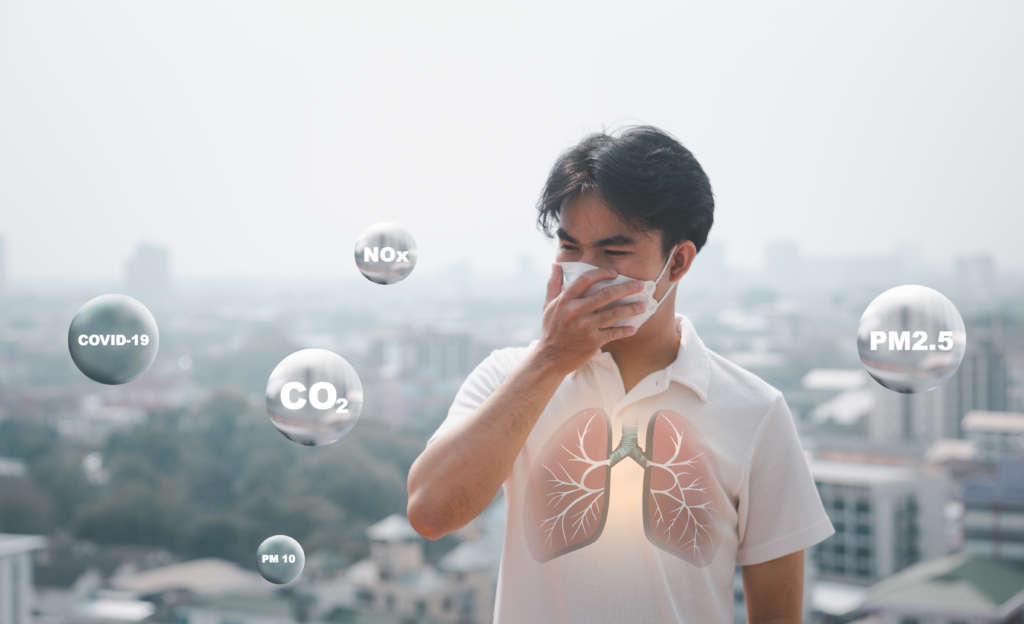
Air pollution contains a mixture of harmful substances that can penetrate deep into the lungs and bloodstream. These pollutants include fine particulate matter (PM2.5 and PM10), nitrogen dioxide, sulfur dioxide, carbon monoxide, and ground-level ozone.
When these pollutants enter the respiratory system, they cause inflammation, irritation, and long-term damage to lung tissues. Over time, this exposure can significantly reduce lung efficiency and lead to various respiratory diseases.
Some of the common respiratory issues caused by air pollution include:
- Chronic cough and throat irritation
- Asthma attacks and breathing difficulty
- Bronchitis and lung infections
- Reduced lung capacity
- Increased risk of chronic obstructive pulmonary disease (COPD)
- Lung inflammation and allergies
Children, elderly individuals, and people with pre-existing respiratory conditions are especially vulnerable to the harmful effects of polluted air. This is why regular monitoring through respiratory diagnostic tests becomes essential for early detection and prevention.
Why Early Detection Through Diagnostic Tests is Essential
One of the biggest challenges in respiratory health is that many lung-related diseases develop slowly and often remain unnoticed in their early stages. People may ignore symptoms such as mild breathlessness, fatigue, or occasional coughing, assuming them to be temporary issues.
However, these symptoms can indicate early lung damage caused by continuous exposure to polluted air. Diagnostic tests help identify these problems before they develop into serious conditions.
Early respiratory diagnostic testing offers several important benefits:
- Detects lung abnormalities at an early stage
- Helps doctors begin treatment sooner
- Prevents progression of chronic respiratory diseases
- Monitors the effect of pollution exposure on lung function
- Helps in developing personalized treatment plans
When individuals living in high pollution areas undergo regular respiratory diagnostic tests, it becomes easier to manage health risks and reduce long-term damage to the lungs.
Common Diagnostic Tests Used for Respiratory Health
Modern medical science offers several advanced tests that help evaluate lung health and detect respiratory disorders caused by pollution exposure. These tests provide valuable information about lung capacity, airflow, oxygen levels, and potential infections.
Some of the most commonly recommended respiratory diagnostic tests include:
1. Pulmonary Function Test (PFT)
This test measures how well the lungs are working. It evaluates lung capacity, airflow, and oxygen exchange. Pulmonary Function Tests are widely used to detect asthma, COPD, and other respiratory disorders related to air pollution exposure.
2. Spirometry Test
Spirometry is one of the most commonly used respiratory diagnostic tests. It measures the amount of air a person can inhale and exhale and how quickly they can breathe out. This test helps identify airflow obstruction and reduced lung function.
3. Chest X-Ray
A chest X-ray provides a detailed image of the lungs and helps doctors identify infections, lung inflammation, or structural abnormalities caused by long-term pollution exposure.
4. CT Scan of the Chest
A CT scan offers more detailed imaging of lung tissues than a standard X-ray. It is useful for detecting early lung damage, tumors, or chronic respiratory diseases.
5. Oxygen Saturation Test
This test measures the amount of oxygen in the blood using a pulse oximeter. Low oxygen levels may indicate respiratory problems caused by polluted air exposure.
Regular use of these diagnostic tests to limit the impact of air pollution on respiratory health allows healthcare professionals to track lung health effectively.
High-Risk Groups Who Need Regular Respiratory Testing
Not everyone is affected by air pollution in the same way. Some individuals are more vulnerable to the harmful effects of polluted air and should prioritize regular respiratory diagnostic tests.
The following groups are considered high-risk and should undergo frequent lung health assessments:
- People living in highly polluted urban areas
- Traffic police and outdoor workers
- Industrial workers exposed to chemicals and dust
- Children and teenagers
- Elderly individuals above 60 years
- Individuals suffering from asthma or allergies
- Smokers and passive smokers
For these individuals, diagnostic tests to limit the impact of air pollution on respiratory health can be life-saving because they help detect problems before symptoms become severe.
Role of Diagnostic Tests in Preventing Severe Lung Diseases
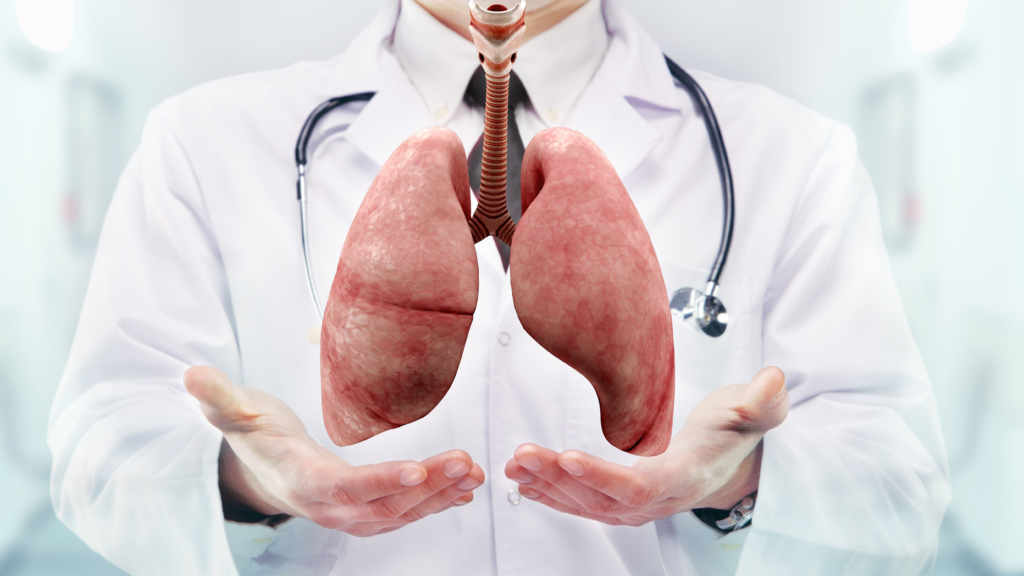
Many serious lung diseases do not appear suddenly; they develop gradually due to continuous exposure to environmental pollutants. Without proper diagnosis, these diseases may remain hidden for years until they reach an advanced stage.
Diagnostic testing plays a major role in preventing the progression of respiratory illnesses by providing early medical insights.
Regular respiratory diagnostic tests can help:
- Detect early signs of lung inflammation
- Monitor chronic respiratory conditions
- Identify infections before complications arise
- Track the long-term effects of pollution exposure
- Prevent severe conditions like COPD and lung fibrosis
By identifying these issues early, doctors can recommend lifestyle changes, medications, or therapies that protect lung health and improve breathing capacity.
Preventive Strategies Along with Diagnostic Testing
While diagnostic tests are extremely important for identifying respiratory problems, prevention is equally essential. Reducing exposure to polluted air and maintaining healthy respiratory habits can significantly improve lung health.
Some effective preventive strategies include:
- Wearing protective masks in high pollution areas
- Avoiding outdoor activities during heavy smog or poor air quality days
- Using air purifiers indoors
- Maintaining proper ventilation at home and workplace
- Following a healthy diet rich in antioxidants
- Practicing breathing exercises and regular physical activity
When these preventive measures are combined with regular diagnostic tests to limit the impact of air pollution on respiratory health, individuals can greatly reduce their chances of developing serious lung diseases.
How Awareness and Healthcare Access Can Improve Respiratory Health
Public awareness plays a crucial role in addressing the growing impact of air pollution on respiratory health. Many people still underestimate the long-term damage caused by polluted air and often delay medical testing until symptoms become severe.
Healthcare institutions and governments must promote awareness about the importance of regular respiratory screening. Accessible and affordable diagnostic tests can encourage more individuals to monitor their lung health regularly.
Community health programs, workplace health screenings, and school health initiatives can help identify respiratory issues early and prevent complications.
Encouraging people to undergo diagnostic tests to limit the impact of air pollution on respiratory health will not only improve individual well-being but also reduce the overall burden of respiratory diseases on healthcare systems.

Conclusion
Air pollution continues to pose a serious threat to global public health, particularly affecting the respiratory system. Continuous exposure to harmful pollutants can lead to chronic lung diseases, breathing difficulties, and long-term health complications. In such circumstances, early detection becomes the key to protecting respiratory health.
Diagnostic tests provide valuable insights into lung function and help detect respiratory disorders before they become severe. Through tests such as spirometry, pulmonary function tests, chest imaging, and oxygen level monitoring, doctors can effectively assess the impact of pollution on lung health. Many healthcare facilities now offer Specialized Tests in Gurgaon, which help in accurately diagnosing respiratory conditions and monitoring lung performance, especially for individuals exposed to high levels of air pollution.
The growing need for diagnostic tests to limit the impact of air pollution on respiratory health highlights the importance of regular health screenings, especially for individuals living in highly polluted environments. Early diagnosis, combined with preventive strategies and increased public awareness, can significantly reduce the long-term damage caused by polluted air.