Female Hormone Test: Procedure, Process, Normal Levels & Results Explained

CBC Test vs Other Blood Tests: Key Differences Explained
January 3, 2026
Metabolic Testing Explained: Types, Benefits, and Why It Matters
January 13, 2026
A Female Hormone Test plays a crucial role in understanding a woman’s overall health, reproductive function, and hormonal balance. Hormones control many essential processes in the female body, including menstruation, fertility, metabolism, mood, bone health, and sexual wellness. When hormone levels become imbalanced, they can lead to various health concerns such as irregular periods, infertility, weight changes, acne, hair fall, fatigue, and mood disorders. Getting a Female Hormone Test at the best diagnostic center in Gurugram ensures accurate results, advanced testing facilities, and expert medical guidance for timely diagnosis and effective treatment.
This detailed guide explains everything you need to know about a Female Hormone Test, including its purpose, timing, procedure, preparation, normal ranges, and how to understand the results. Whether you are experiencing symptoms or simply want a preventive health check, this article will help you make informed decisions.
What Is a Hormone Test for Females?
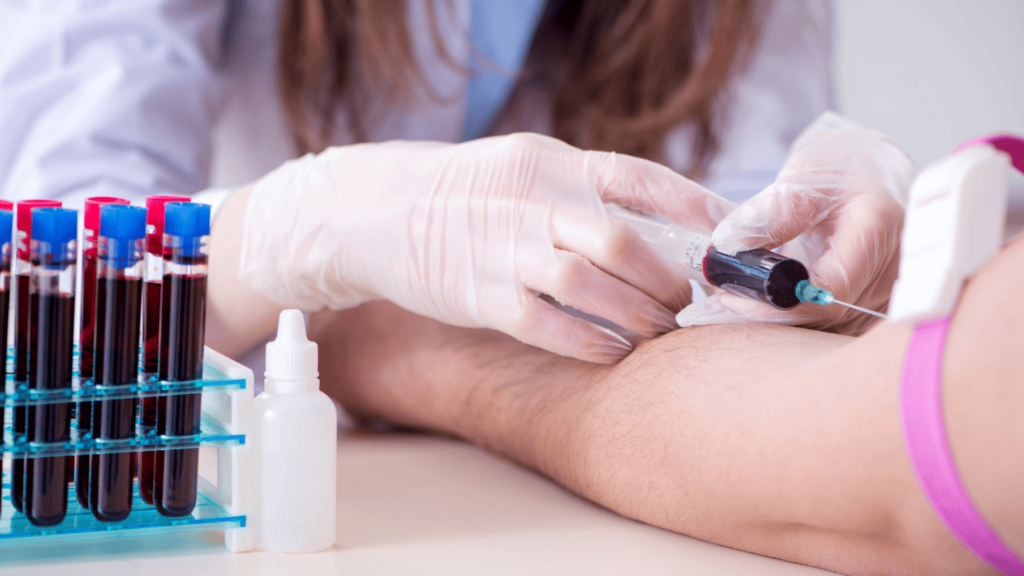
A Female Hormone Test is a medical test that measures the levels of specific hormones in a woman’s body, usually through a blood sample. These hormones are responsible for regulating the menstrual cycle, ovulation, pregnancy, menopause, and many other bodily functions.
Doctors recommend a Female Hormone Test to evaluate hormonal balance, diagnose underlying conditions, and guide appropriate treatment plans. The test provides valuable insight into how well the endocrine system is functioning.
Key hormones commonly assessed include:
- Estrogen
- Progesterone
- Follicle-Stimulating Hormone (FSH)
- Luteinizing Hormone (LH)
- Prolactin
- Testosterone
- Thyroid hormones (in some cases)
A Female Hormone Test is useful for women of all ages, from adolescents to postmenopausal women, depending on symptoms and health concerns.
When Should You Consider a Female Hormone Test?
There are several situations where a Female Hormone Test may be necessary. Hormonal imbalances can affect both physical and emotional well-being, and early testing can help prevent long-term complications.
You should consider a Female Hormone Test if you experience:
- Irregular or missed menstrual periods
- Difficulty conceiving or infertility issues
- Excessive facial or body hair growth
- Severe acne or sudden skin changes
- Unexplained weight gain or weight loss
- Hair thinning or hair fall
- Mood swings, anxiety, or depression
- Low energy levels or chronic fatigue
- Hot flashes and night sweats
- Symptoms of menopause or early menopause
A Female Hormone Test is also recommended for women with conditions like PCOS, thyroid disorders, or those undergoing fertility treatments.
What Is Included in a Female Hormone Blood Test?
A Female Hormone Test usually includes a panel of blood tests that measure different hormones depending on the symptoms and medical history. Not every woman needs all hormone tests; doctors select them based on individual needs.
Common hormones included in a Female Hormone Blood Test are:
- Estrogen (Estradiol): Regulates the menstrual cycle and reproductive health
- Progesterone: Important for ovulation and pregnancy
- FSH (Follicle-Stimulating Hormone): Helps assess ovarian function
- LH (Luteinizing Hormone): Triggers ovulation
- Prolactin: High levels may affect menstruation and fertility
- Testosterone: Excess levels can cause acne, hair growth, and cycle issues
- Thyroid hormones: Affect metabolism and menstrual regularity
A comprehensive Female Hormone Test helps doctors identify hormonal patterns and imbalances accurately.
Process and Procedure of the Female Hormone Test
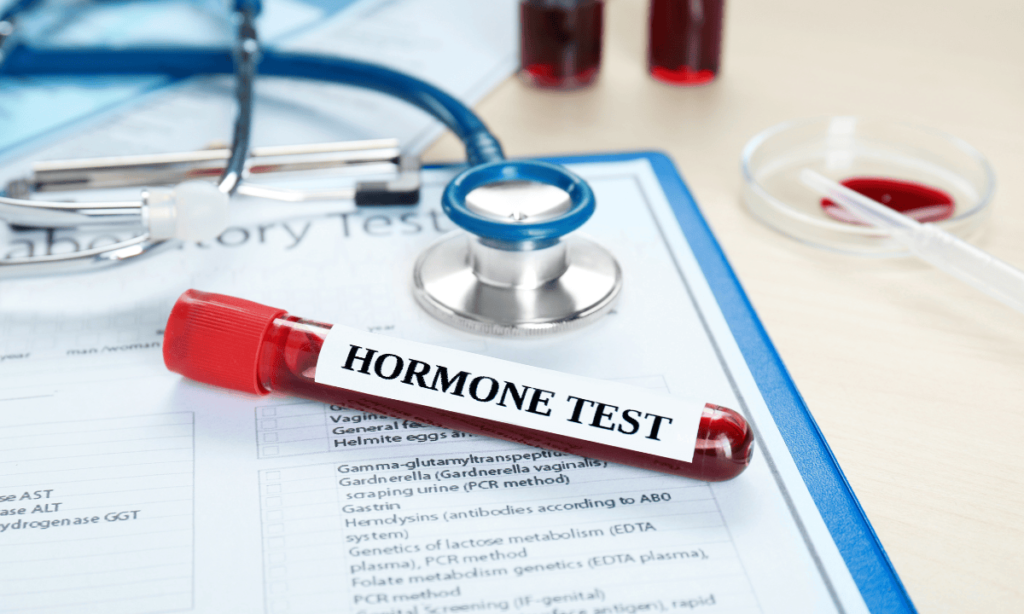
The procedure for a Female Hormone Test is simple, safe, and minimally invasive. It is usually performed in a diagnostic laboratory or hospital setting.
Step-by-step process of a Female Hormone Test:
- A healthcare professional cleans the skin area, usually on the arm
- A small amount of blood is drawn using a sterile needle
- The blood sample is collected in a test tube
- The sample is sent to a laboratory for analysis
The entire Female Hormone Test procedure typically takes only a few minutes. Mild discomfort at the needle site may occur, but it usually subsides quickly.
In some cases, the test may need to be done on a specific day of the menstrual cycle to ensure accurate hormone readings.
How to Prepare Before Taking a Female Hormone Test?
Proper preparation is important for obtaining accurate Female Hormone Test results. Your doctor will guide you based on which hormones are being tested.
General preparation guidelines include:
- Follow the recommended day of the menstrual cycle for testing
- Fasting may be required for certain hormone tests
- Avoid hormonal medications unless advised otherwise
- Inform your doctor about ongoing medicines or supplements
- Avoid heavy exercise before the test
- Get adequate sleep the night before
Following these steps ensures that your Female Hormone Test results reflect your true hormonal status.
Normal Ranges of Female Hormone Tests
Normal ranges in a Female Hormone Test can vary depending on age, menstrual cycle phase, and individual health conditions. Understanding these ranges helps in identifying abnormalities.
Typical normal ranges include:
- Estrogen: Varies throughout the menstrual cycle
- Progesterone: Higher after ovulation
- FSH: Lower during reproductive years, higher near menopause
- LH: Peaks during ovulation
- Prolactin: Should remain within a stable range
- Testosterone: Lower in females compared to males
It is important to note that normal values may differ between laboratories, and interpretation should always be done by a medical professional.
Understanding Your Female Hormone Test Results
Interpreting Female Hormone Test results requires medical expertise, as hormone levels fluctuate naturally. A single abnormal result does not always indicate a serious problem.
What your results may indicate:
- High estrogen levels may be linked to irregular periods or hormonal imbalance
- Low progesterone levels may affect fertility
- High FSH levels may indicate reduced ovarian reserve or menopause
- Elevated prolactin levels can disrupt menstrual cycles
- High testosterone levels may be associated with PCOS
Doctors consider symptoms, medical history, and Female Hormone Test results together before diagnosing any condition.
Why Female Hormone Testing Is Important for Long-Term Health
A Female Hormone Test is not only used for diagnosing problems but also plays a vital role in preventive healthcare. Hormonal imbalances left untreated can lead to long-term complications such as osteoporosis, metabolic disorders, and reproductive issues. Regular hormone tests in gurgaon help in early detection of imbalances, timely medical intervention, and better long-term health management for women at every stage of life.
Benefits of regular Female Hormone Test evaluation include:
- Early detection of hormonal disorders
- Improved fertility planning
- Better menstrual cycle management
- Support during menopause transition
- Personalized treatment and lifestyle guidance
Regular monitoring through a Female Hormone Test empowers women to take control of their health.
Final Thoughts
A Female Hormone Test is a powerful diagnostic tool that helps women understand their bodies better. From identifying hormonal imbalances to guiding effective treatment, this test plays a vital role in women’s health at every stage of life.
If you are experiencing symptoms or planning a preventive health check, consulting a healthcare professional for a Female Hormone Test can provide clarity, reassurance, and a path toward better well-being. Early testing, proper interpretation, and timely treatment can make a significant difference in maintaining hormonal balance and overall health.
FAQS
What is a female hormone test?
A female hormone test measures key hormone levels in a woman’s body to check hormonal balance, menstrual health, fertility, and menopause-related changes.
How is a female hormone test performed?
The test is usually done through a simple blood sample taken from a vein in the arm and sent to a lab for hormone analysis.
When is the best time to take a female hormone test?
The timing depends on the hormone being tested. Some tests are done on specific days of the menstrual cycle for accurate results.
Is fasting required before a female hormone test?
Fasting is not always required, but certain hormone tests may need it. Your doctor will provide instructions beforehand.
What are normal levels in a female hormone test?
Normal levels vary based on age, menstrual cycle phase, and the specific hormone tested. Results should always be interpreted by a doctor.
What do abnormal female hormone test results indicate?
Abnormal results may suggest hormonal imbalance, PCOS, thyroid issues, fertility problems, or menopause-related changes and require medical evaluation.