CBC Test vs Other Blood Tests: Key Differences Explained

Culture vs. Routine Urine Test: What’s the Difference and When to Choose
December 24, 2025
Female Hormone Test: Procedure, Process, Normal Levels & Results Explained
January 8, 2026
Blood tests play a crucial role in modern healthcare. They help doctors understand what is happening inside the body without the need for complex procedures. From routine health checkups to diagnosing serious medical conditions, blood tests provide valuable information that supports early detection and effective treatment. Among the many types of blood tests available today, the Complete Blood Count (CBC) test is one of the most commonly recommended and is easily available at a trusted blood test center in gurgaon for accurate and timely diagnosis.
However, many patients often feel confused when they hear about different blood tests. Questions like “What is a CBC test?”, “How is it different from other blood tests?”, and “Why does my doctor recommend multiple blood tests?” are very common. Understanding the difference between a CBC test and other blood tests can help patients feel more informed and confident about their healthcare decisions.
This article explains the key differences between a CBC test and other blood tests in a simple and clear way. It covers what each test measures, why doctors recommend them, and how accessibility and financial planning play a role in managing healthcare needs.

What is a CBC Test?
A CBC test, or Complete Blood Count test, is a common blood test that evaluates the overall health of a person by measuring different components of the blood. It provides a detailed overview of blood cells and helps doctors detect a wide range of conditions, from infections to blood disorders.
The CBC test mainly focuses on three major components of blood:
- Red blood cells (RBCs)
- White blood cells (WBCs)
- Platelets
Each of these components has an important function in the body.
Red blood cells carry oxygen from the lungs to different parts of the body. A low red blood cell count may indicate anemia, while a high count could suggest dehydration or other medical conditions.
White blood cells are part of the immune system. They help the body fight infections. An increase or decrease in white blood cell count can indicate infections, inflammation, or immune system disorders.
Platelets help with blood clotting. If platelet levels are too low, it may lead to excessive bleeding. If they are too high, it may increase the risk of clot formation.
A CBC test also measures additional values such as hemoglobin, hematocrit, and mean corpuscular volume, which give deeper insight into blood health.
Doctors often recommend a CBC test for:
- Routine health checkups
- Diagnosing infections
- Monitoring chronic diseases
- Evaluating symptoms like fatigue, fever, weakness, or unexplained bruising
- Checking overall wellness before surgery
The CBC test is quick, widely available, and provides a broad picture of a person’s health.
Common Types of Blood Tests Beyond CBC
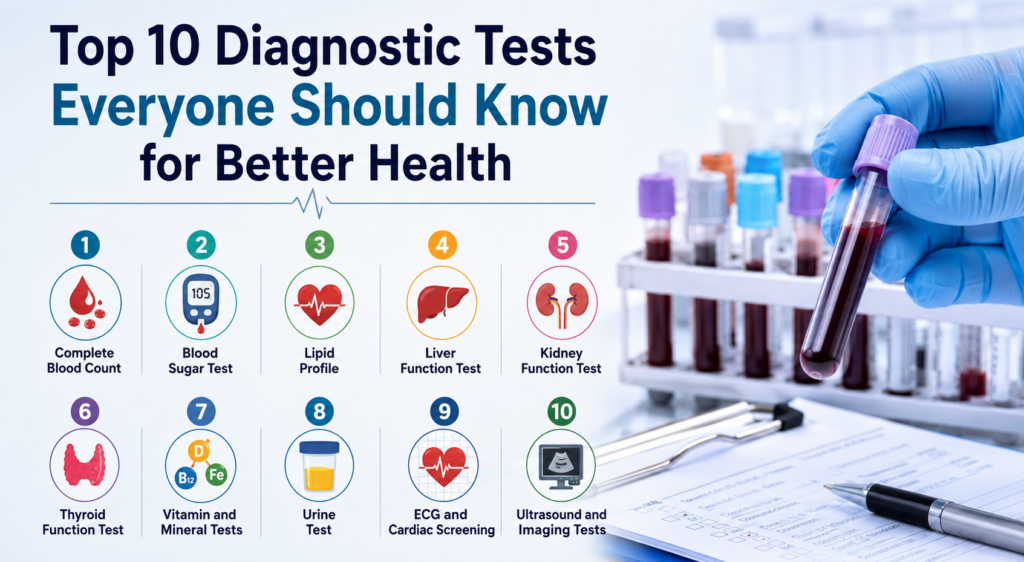
While the CBC test offers a general overview, many other blood tests focus on specific organs, functions, or conditions. These tests help doctors gain more detailed information when needed.
Some common blood tests beyond the CBC test include:
Blood sugar tests measure glucose levels in the blood. They are commonly used to diagnose and monitor diabetes.
Lipid profile tests evaluate cholesterol and triglyceride levels. These tests help assess the risk of heart disease and stroke.
Liver function tests measure enzymes and proteins related to liver health. Abnormal results may indicate liver damage or infection.
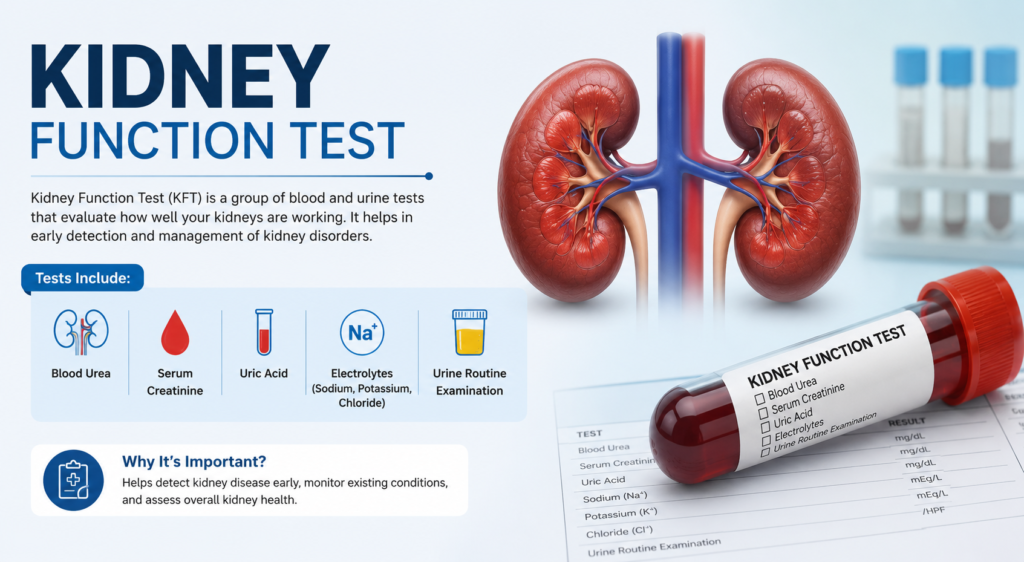
Kidney function tests check substances like creatinine and urea to evaluate how well the kidneys are working.
Thyroid function tests measure hormones that regulate metabolism. These tests help diagnose conditions such as hypothyroidism and hyperthyroidism.
Electrolyte tests assess levels of sodium, potassium, and other minerals that are essential for nerve and muscle function.
Vitamin and mineral tests identify deficiencies that can lead to fatigue, weak immunity, or bone problems.
Unlike a CBC test which gives a broad overview, these tests focus on specific systems and functions in the body.
Key Differences Between CBC and Other Blood Tests
The main difference between a CBC test and other blood tests lies in their purpose and scope. While a CBC test provides a general assessment of blood health, other blood tests are designed to evaluate specific organs or conditions.
Some key differences include:
- Scope of information
A CBC test gives a broad overview of blood cell health. Other blood tests focus on targeted areas such as sugar levels, cholesterol, or organ function. - Type of conditions detected
A CBC test helps detect infections, anemia, and blood-related disorders. Other blood tests help diagnose conditions like diabetes, thyroid disorders, liver disease, or heart problems. - Level of detail
CBC results show counts and basic characteristics of blood cells. Other tests provide detailed biochemical measurements. - Usage frequency
CBC tests are often used in routine checkups. Other blood tests may be ordered based on symptoms, medical history, or specific concerns. - Follow-up needs
Abnormal CBC results may lead to further specialized blood tests. In contrast, abnormal results in specific tests may directly confirm a diagnosis.
In many cases, doctors recommend a CBC test along with other blood tests to get a complete understanding of a patient’s health.

When and Why Doctors Recommend These Tests
Doctors recommend different blood tests based on a patient’s symptoms, age, lifestyle, and medical history. The choice between a CBC test and other blood tests depends on what the doctor is trying to evaluate.
A CBC test is usually recommended when:
- A patient has general symptoms like fatigue or fever
- There is a suspicion of infection
- A routine health checkup is needed
- Monitoring recovery from illness or surgery
- Evaluating blood-related conditions
Other blood tests are recommended when:
- Blood sugar issues are suspected
- Cholesterol levels need monitoring
- Hormonal imbalances are present
- Organ function needs evaluation
- Nutritional deficiencies are suspected
Doctors often combine multiple tests to confirm a diagnosis or track the progress of treatment. Blood tests help guide medical decisions and reduce guesswork in healthcare.
Accessibility of Blood Tests
Blood tests are among the most accessible diagnostic tools in healthcare. Most hospitals, clinics, and diagnostic laboratories offer CBC tests and other common blood tests.
Factors that improve accessibility include:
- Simple blood sample collection
- Availability in urban and rural areas
- Minimal preparation for most tests
- Fast result turnaround time
CBC tests are especially accessible because they are basic, widely used, and affordable. Many health checkup packages include CBC tests as a standard component.
Advancements in laboratory technology have also made blood testing more efficient and accurate. Home sample collection services have further improved access, especially for elderly patients or those with limited mobility.
Financial Planning for Healthcare Needs
Understanding blood tests also helps in financial planning for healthcare. While individual blood tests may seem inexpensive, repeated testing over time can add up, especially for patients with chronic conditions.
Some important points to consider include:
- Routine tests like CBC are usually affordable
- Specialized blood tests may cost more
- Preventive testing can reduce long-term healthcare costs
- Health insurance often covers essential blood tests
Planning regular health checkups, including CBC tests, can help detect problems early and avoid costly treatments later. Patients should also discuss with their doctors which tests are necessary and how often they should be done, and choose best pathology lab in gurugram to ensure accurate results and reliable reporting.
Being informed about blood tests allows individuals to make smarter healthcare and financial decisions.

Conclusion
The CBC test and other blood tests each play an important role in maintaining good health. A CBC test provides a broad overview of blood health and is often the first step in medical evaluation. Other blood tests offer targeted insights into specific organs, conditions, and functions.
Understanding the key differences between a CBC test and other blood tests helps patients feel more confident and informed. It allows them to better understand medical advice, test results, and treatment plans.
Regular blood testing, when recommended by a doctor, supports early detection, effective treatment, and better long-term health outcomes. By combining awareness, accessibility, and proper financial planning, individuals can take a proactive approach toward their overall well-being.
FAQS
What is a CBC test and why is it commonly done?
A CBC test, or Complete Blood Count test, measures red blood cells, white blood cells, and platelets. It is commonly done to check overall health, detect infections, anemia, and blood-related disorders.
How is a CBC test different from other blood tests?
A CBC test provides a general overview of blood health, while other blood tests focus on specific conditions such as blood sugar levels, cholesterol, hormone balance, or organ function.
When does a doctor recommend a CBC test?
Doctors recommend a CBC test during routine checkups, when symptoms like fatigue or fever appear, before surgery, or to monitor ongoing medical conditions.
Are other blood tests required along with a CBC test?
Yes, in many cases doctors recommend other blood tests along with a CBC test to get detailed information about specific organs or health conditions.
Is fasting required for a CBC test?
No, fasting is usually not required for a CBC test. However, fasting may be needed if other blood tests are done at the same time.
Can a CBC test detect serious health problems?
A CBC test can indicate potential health issues such as infections, anemia, or blood disorders, but further tests are often needed to confirm a diagnosis