
Hormone Blood Test: Types, Preparation, and Understanding Your Results

Why House of Pathology Expert is the Best Blood Test Lab in Gurgaon
October 30, 2025
Urine Culture Test: Purpose, Procedure, Cost, and Result Explained
November 14, 2025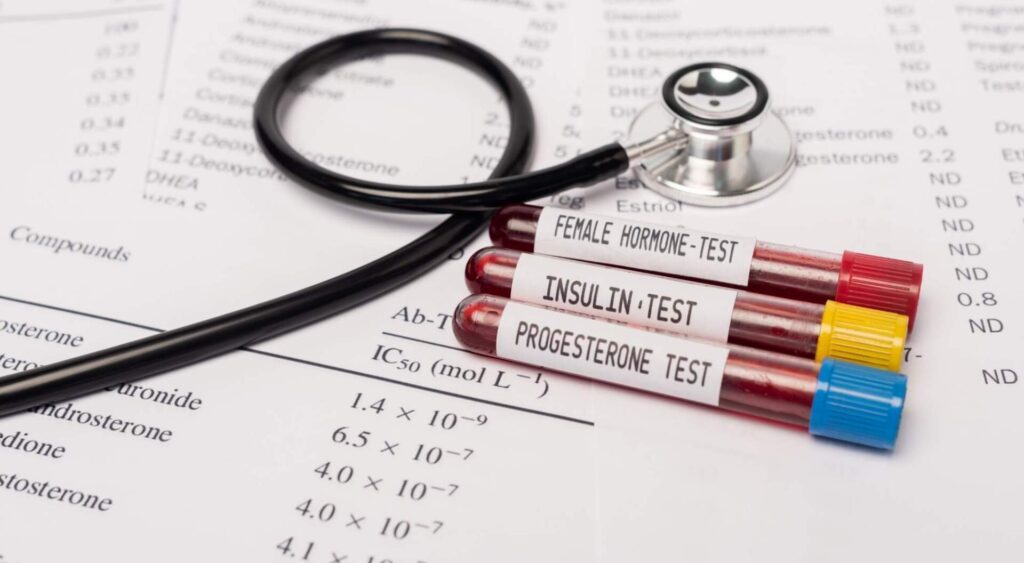
Hormones are the body’s chemical messengers, controlling everything from energy levels and mood to growth, metabolism, and reproduction. When these tiny messengers fall out of balance, your body begins to show subtle yet powerful signs. A hormone blood test becomes one of the most valuable diagnostic tools in identifying and treating these imbalances. Whether it’s a routine hormone check up or a more detailed hormone panel test, understanding the process can help you take control of your health. Especially for women, a hormone test for women plays a critical role in detecting issues related to menstruation, fertility, menopause, and even emotional well-being.
A hormone blood test works by measuring the levels of various hormones in your bloodstream. These include estrogen, progesterone, testosterone, thyroid hormones, insulin, cortisol, and others. By identifying deficiencies or excesses, doctors can understand why your body might be reacting in a certain way. For example, if fatigue, sudden weight gain, acne, hair loss, or mood changes occur, a hormone imbalance blood test can reveal underlying hormonal causes. The hormone check up thus serves as a bridge between symptoms and solutions, allowing healthcare professionals to create a personalized treatment plan. For accurate and reliable testing, choosing the best pathology lab in gurugram ensures precise hormone analysis and trustworthy results, helping doctors tailor treatment based on your body’s unique hormonal needs.
A hormone test for women is particularly vital because female hormones fluctuate naturally throughout life. Puberty, pregnancy, menstruation, and menopause are all phases controlled by hormones. However, when hormonal fluctuations become irregular or extreme, they can lead to discomfort, reproductive challenges, or chronic health conditions. That’s where a comprehensive hormone panel test female becomes essential. This hormone panel test checks multiple hormone levels simultaneously, giving doctors a complete overview of what’s happening inside the body.
Why You Might Need a Hormone Check Up
Your body speaks through symptoms, and when something feels off, it’s often because your hormones are sending signals of imbalance. A hormone check up helps interpret those signals. Women experiencing irregular menstrual cycles, unexplained weight gain or loss, hair thinning, acne, or sleep disturbances should consider a hormone imbalance blood test. Similarly, mood swings, fatigue, or decreased libido may indicate a hormonal irregularity that a hormone panel test can uncover.
In women, reproductive hormones such as estrogen and progesterone are key to maintaining menstrual health, fertility, and emotional stability. When these levels fluctuate outside the normal range, a hormone panel test female can determine whether conditions like polycystic ovarian syndrome (PCOS), thyroid dysfunction, or premature menopause are at play. A hormone test for women can also help monitor the effects of hormone replacement therapy or fertility treatments, ensuring that hormone levels remain balanced during medical interventions.
A hormone imbalance blood test doesn’t only help detect issues; it’s also a preventive measure. By undergoing regular hormone check ups, you can catch potential health concerns early and take corrective actions. Many women undergo an annual hormone panel test as part of their overall health routine, especially when planning a family or navigating menopause.
Types of Hormone Blood Tests
There are several types of hormone blood tests, each designed to measure specific hormone levels. A hormone panel test typically includes assessments for reproductive hormones such as estrogen, progesterone, and testosterone, as well as thyroid hormones like T3, T4, and TSH. In a hormone panel test female, additional focus is placed on hormones influencing reproductive cycles, like luteinizing hormone (LH), follicle-stimulating hormone (FSH), and prolactin.
A hormone test for women may also include cortisol, which regulates stress, and insulin, which affects metabolism. When cortisol is chronically elevated, it may lead to fatigue, anxiety, and weight gain. By adding cortisol evaluation in your hormone panel test, doctors can assess how your adrenal glands respond to stress. A hormone imbalance blood test that checks thyroid function can also detect whether your metabolism is functioning efficiently.
The hormone check up is not limited to one area of health. It covers reproductive, metabolic, and emotional wellness. For instance, in a hormone panel test female, estrogen levels indicate the phase of your menstrual cycle and reproductive health, while progesterone levels determine if ovulation has occurred. A hormone imbalance blood test might reveal that low estrogen levels are causing night sweats or mood swings, while high testosterone might be linked to excessive hair growth or acne.
When undergoing a hormone test for women, your doctor might recommend a fasting blood sample, depending on which hormones are being analyzed. Some hormones, such as cortisol, fluctuate throughout the day, so timing can be crucial in obtaining accurate results. A hormone panel test done in the morning may differ from one taken later in the day, which is why consistency in timing is key during repeated hormone check ups.
Preparation for a Hormone Blood Test
Preparing for a hormone blood test is simple yet important. Before a hormone check up, doctors usually recommend avoiding caffeine, alcohol, or strenuous exercise for 24 hours, as these can affect hormone levels. In a hormone test for women, the timing of the test within the menstrual cycle matters. For example, estrogen and progesterone levels vary during different phases, so your doctor may ask you to schedule your hormone panel test female accordingly.
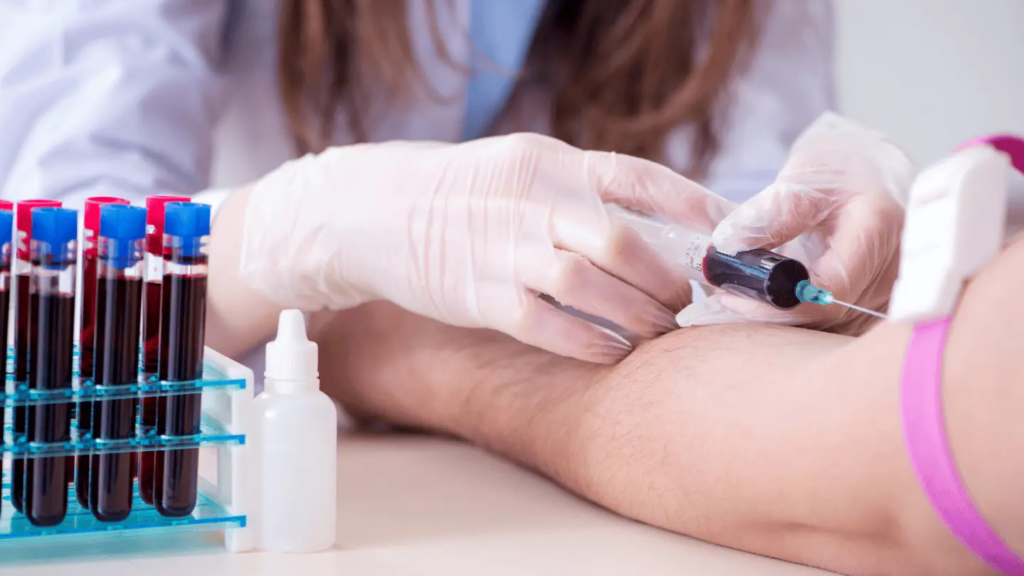
You may also need to fast for 8–12 hours before the blood draw, especially if your hormone imbalance blood test includes insulin or thyroid markers. It’s important to inform your healthcare provider about any medications or supplements you’re taking, as these can alter hormone levels. During a hormone panel test, even birth control pills or hormone therapy can impact the readings, so adjustments might be needed before testing.
In addition, managing stress before a hormone check up is essential. Emotional stress can temporarily elevate cortisol and adrenaline levels, skewing the results. Practicing deep breathing or ensuring a good night’s rest before your hormone test for women can help ensure accurate readings. Your doctor may also suggest specific testing times—for instance, early morning for cortisol or mid-cycle for estrogen—depending on which hormone panel test female is being performed.
Understanding the Results of a Hormone Panel Test
After completing your hormone panel test, your doctor will review the results in detail. Each hormone in your body operates within a specific reference range. When your hormone imbalance blood test reveals deviations from these ranges, it indicates that your hormonal system may need support or treatment. For example, low thyroid hormones may suggest hypothyroidism, while high cortisol may point to chronic stress or adrenal fatigue.
A hormone panel test female result showing low estrogen could explain irregular periods, infertility, or vaginal dryness. Conversely, elevated testosterone levels in women can lead to acne, hair growth, and symptoms of PCOS. By interpreting the results of a hormone test for women, your doctor can pinpoint which areas require medical attention or lifestyle adjustments.
A hormone check up can also reveal imbalances between multiple hormones. Often, it’s not just one hormone that’s the issue, but how several interact. For example, the relationship between estrogen and progesterone is delicate—an imbalance between the two can lead to mood swings or reproductive challenges. A hormone panel test that examines both helps create a clearer picture of your overall hormonal harmony.
The hormone imbalance blood test results are usually interpreted alongside your symptoms. Numbers alone may not tell the whole story, so your doctor considers your physical and emotional well-being too. If necessary, follow-up tests or imaging studies may be recommended after your hormone check up to confirm the diagnosis or track your response to treatment.

Common Hormonal Imbalances Detected by Hormone Tests
The most common imbalances identified through hormone blood tests include thyroid disorders, PCOS, menopause-related changes, and adrenal fatigue. A hormone panel test helps diagnose each condition by checking specific hormones. In PCOS, for instance, a hormone panel test female will often show elevated testosterone and luteinizing hormone, along with low progesterone. A hormone test for women can also detect low estrogen and progesterone levels during menopause, guiding hormone replacement therapy.
Thyroid imbalances are another major cause of fatigue and weight fluctuations. A hormone imbalance blood test that checks TSH, T3, and T4 can determine whether the thyroid gland is overactive or underactive. The hormone check up thus becomes an essential part of diagnosing not only reproductive but also metabolic disorders.
In stress-related issues, the hormone panel test often highlights high cortisol levels, which may explain chronic fatigue, anxiety, or trouble sleeping. Regular hormone tests for women experiencing these symptoms can help monitor how lifestyle changes or medications affect their stress hormones.
The Role of Hormone Tests in Women’s Health
A hormone test for women goes beyond identifying diseases—it’s about empowering women to understand their bodies. Hormones affect mood, skin, hair, metabolism, and reproductive cycles. Regular hormone check ups help women make informed decisions about their diet, lifestyle, and healthcare. A hormone panel test female can detect early signs of perimenopause or fertility challenges, offering options before symptoms worsen.
During different life stages—puberty, pregnancy, and menopause—a hormone panel test helps track natural hormonal shifts. For younger women, a hormone imbalance blood test can diagnose menstrual irregularities or fertility issues, while for older women, it can assess whether hormone replacement therapy is needed. By incorporating a hormone check up into your routine health assessments, you’re essentially monitoring the body’s inner rhythm. Many individuals now prefer getting hormone tests in gurgaon for accurate, convenient, and comprehensive hormonal evaluations, ensuring that every stage of life is supported by timely and precise diagnostic
A hormone panel test female also assists in evaluating conditions like endometriosis, irregular ovulation, or unexplained weight changes. These can all stem from hormonal fluctuations, and identifying them early through a hormone blood test can lead to timely treatments and better quality of life.
How Often Should You Get a Hormone Check Up
The frequency of a hormone check up depends on individual health needs. Women in their 20s and 30s might need a hormone test for women only if they experience specific symptoms such as acne, mood swings, or fertility concerns. However, those approaching menopause may benefit from a yearly hormone panel test female to monitor hormonal transitions.
If you’ve been diagnosed with a hormonal condition, such as PCOS or thyroid disorder, your doctor may recommend more frequent hormone panel tests. A hormone imbalance blood test done every few months helps track the effectiveness of medication or lifestyle changes. For preventive care, a comprehensive hormone check up once a year is often sufficient to maintain overall hormonal health.
By consistently monitoring hormone levels through a hormone panel test, you can prevent minor imbalances from turning into major issues. Remember, hormonal health is closely tied to emotional stability, physical fitness, and reproductive wellness.
Improving Your Hormone Balance After Testing
Once your hormone panel test results are available, your doctor may suggest lifestyle adjustments or medical treatments to restore balance. A hormone test for women often leads to recommendations like improving diet, managing stress, getting quality sleep, or starting hormone therapy if needed. A hormone imbalance blood test can help guide targeted solutions like adjusting thyroid medications, using natural supplements, or balancing estrogen and progesterone through diet and exercise.
Regular exercise and balanced nutrition play vital roles in maintaining hormone equilibrium. Omega-3 fatty acids, lean protein, and whole grains support hormonal health, while reducing sugar and processed foods helps prevent insulin spikes. These lifestyle shifts, combined with regular hormone check ups, ensure that your hormone panel test results remain within a healthy range.
By addressing imbalances early, a hormone panel test female not only improves physical health but also enhances mental well-being. Many women notice better sleep, energy levels, and mood once their hormones are stabilized.
Conclusion
Your hormones influence every aspect of your body’s function—from mood and metabolism to fertility and vitality. Understanding them through a hormone blood test is a powerful step toward proactive health management. Whether you’re dealing with irregular cycles, fatigue, or emotional fluctuations, a hormone check up offers the clarity you need.
A hormone test for women ensures that subtle changes in hormone levels are detected early. The hormone panel test female provides an in-depth view of reproductive and metabolic hormones, empowering women to make informed health decisions. If symptoms persist, a hormone imbalance blood test can guide your doctor in tailoring precise treatments for long-term balance.
By staying consistent with your hormone panel test and regular hormone check ups, you safeguard your health and well-being. Hormonal balance is not just about managing symptoms—it’s about achieving harmony in body and mind. Make the hormone test for women a part of your wellness routine, and you’ll be taking a significant step toward understanding your body’s unique rhythm.
FAQS
What is a hormone blood test?
A hormone blood test checks the levels of key hormones in your body to identify imbalances that may cause symptoms like fatigue, mood swings, or weight changes.
Why is a hormone test for women important?
It helps detect issues related to fertility, menstruation, thyroid function, and menopause, allowing early diagnosis and treatment.
How should I prepare for a hormone check up?
Avoid caffeine, alcohol, and heavy exercise before the test, and follow your doctor’s timing instructions for accurate results.
What does a hormone panel test female include?
It measures hormones like estrogen, progesterone, FSH, LH, and thyroid levels to assess reproductive and metabolic health.
Where can I get reliable hormone tests in gurgaon?
You can visit the best pathology lab in gurugram for accurate, efficient, and professional hormone testing services.
How often should I take a hormone imbalance blood test?
It depends on your symptoms and age, but most experts recommend a hormone check up once a year or as advised by your doctor.