Benefits of blood sugar investigation in fasting

Urine Culture Test: Purpose, Procedure, Cost, and Result Explained
November 14, 2025
Is Papaya Safe for Diabetes? Benefits and Its Effect on Blood Sugar
December 3, 2025
Fasting blood sugar investigation is one of the most essential diagnostic tests used in modern healthcare to assess how effectively your body processes glucose. It is typically done after 8–12 hours of fasting, allowing doctors to measure baseline sugar levels without the influence of recent meals. This test plays a key role in detecting prediabetes, diabetes, metabolic disorders, and various hormonal imbalances. Understanding fasting blood sugar not only helps in early diagnosis but also guides lifestyle changes, dietary planning, and long-term health management. When measured regularly, fasting blood sugar investigation becomes a powerful tool in preventive healthcare, especially when done at the best diagnostic center in gurugram for accurate and reliable results.
Understanding What Fasting Blood Sugar Investigation Means
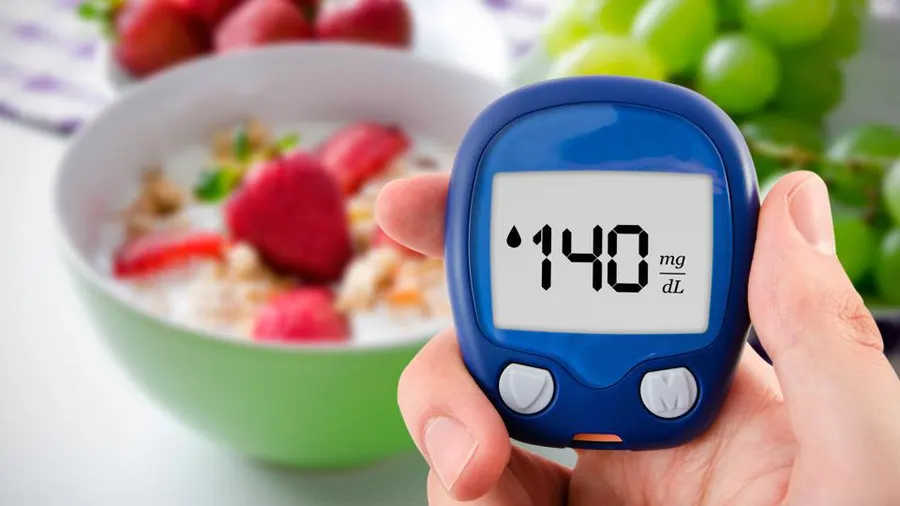
Fasting blood sugar investigation measures the amount of glucose present in your bloodstream after a period of not eating. Glucose is the body’s primary energy source, supplied through carbohydrates in your diet. By fasting, you eliminate the immediate effects of food on blood sugar levels, giving a clear picture of how your body maintains glucose balance naturally. This test is simple, quick, and reliable. It helps detect abnormalities that may not appear after meals. It is also recommended for people with a family history of diabetes or individuals experiencing symptoms like excessive thirst, fatigue, or frequent urination.
Helps Detect Prediabetes at an Early Stage
One of the most significant benefits of fasting blood sugar investigation is early detection of prediabetes. Prediabetes is a condition where blood sugar levels are higher than normal but not high enough to be diagnosed as diabetes. Many people with prediabetes show no symptoms, making regular screening extremely important. Catching this condition early allows patients to reverse it through diet changes, exercise, and weight control. Without early detection, prediabetes can silently progress into type 2 diabetes. A fasting blood sugar test is the most reliable starting point in identifying this condition before it becomes more severe and harder to manage.
Essential for Diagnosing Diabetes Accurately
Fasting blood sugar investigation is a cornerstone test for diagnosing diabetes. It provides a clear baseline measurement that avoids the immediate impact of meals. A high fasting glucose level indicates that the body is struggling to regulate sugar properly, which may result from insulin resistance or inadequate insulin production. Doctors consider fasting blood sugar results alongside other tests like HbA1c or oral glucose tolerance tests for a complete evaluation. Without this fasting measurement, diagnosis may be unclear or inaccurate. Early and accurate diagnosis is crucial for preventing complications such as nerve damage, kidney failure, vision loss, and cardiovascular diseases.
Monitors Effectiveness of Diabetes Treatment
For individuals already diagnosed with diabetes, fasting blood sugar investigation is extremely useful for tracking progress and treatment effectiveness. Medications, diet changes, and exercise routines all influence fasting glucose levels. Regular testing helps doctors decide whether treatment plans need adjustment. It also reveals potential complications like fluctuating sugar levels or insulin resistance. Patients can use fasting results to understand how their lifestyle choices impact their long-term glucose stability. This monitoring is vital because maintaining a consistent blood sugar range helps reduce the risk of developing diabetes-related health issues, improving overall quality of life and long-term wellbeing.
Identifies Insulin Resistance Early
Another major advantage of fasting blood sugar investigation is its ability to detect insulin resistance. Insulin resistance occurs when the body’s cells do not respond properly to insulin, causing sugar to remain in the bloodstream instead of entering the cells for energy. This condition often develops silently, without obvious symptoms. A fasting glucose test can reveal when the body is beginning to struggle with sugar regulation. Early identification of insulin resistance allows lifestyle interventions to be introduced before it progresses to diabetes. Managing insulin resistance through weight control, physical activity, and a healthier diet can prevent several chronic health problems.
Helps Detect Hormonal and Metabolic Disorders
Fasting blood sugar investigation also helps identify underlying hormonal or metabolic disorders. Conditions such as thyroid imbalance, Cushing’s syndrome, and polycystic ovarian syndrome (PCOS) can affect how the body handles glucose. Abnormal fasting levels may be an early sign that something is not functioning properly. When blood sugar remains elevated even without food intake, it signals that hormones controlling metabolism may be disrupted. Detecting these issues early helps doctors conduct further tests and start proper treatment. Understanding your fasting glucose level offers insight into overall metabolic health, not just diabetes-related concerns, making it a valuable diagnostic tool.
Useful for Evaluating Pancreatic Health
The pancreas plays a central role in regulating blood sugar by producing insulin. A fasting blood sugar test helps evaluate pancreatic function by showing how well the body maintains glucose balance without food intake. When fasting levels remain high, it indicates that the pancreas may not be producing enough insulin or that the insulin is not functioning properly. This can be an early warning sign of pancreatic disorders. Early detection allows timely medical intervention, preventing serious complications. Regular fasting blood sugar checks can help monitor pancreatic health and provide essential information for diagnosis and long-term disease prevention.

Supports Nutritional Planning and Diet Control
Fasting blood sugar investigation is an important guide for nutritional planning. When fasting glucose levels are high, it signals the need for dietary changes such as reducing refined carbs, increasing fiber intake, and choosing balanced meals. For people with normal results, it confirms that their diet is supporting stable blood sugar levels. Nutritionists often rely on fasting test results to create personalized diet charts for patients. These plans help prevent sugar spikes, manage weight, and improve overall metabolic health. Understanding how food affects fasting sugar levels encourages healthier eating habits and long-term commitment to balanced nutrition and wellness.
Helps Prevent Long-Term Complications
High fasting blood sugar levels over a long period can lead to severe health complications. These include nerve damage, kidney disease, heart disorders, and vision problems. Regular fasting blood sugar investigation allows early detection, helping individuals take timely action to prevent these long-term issues. By monitoring fasting levels, doctors can guide patients toward healthier choices and appropriate treatments. Prevention is always better than cure, and fasting glucose testing helps identify risks early. The more aware an individual is of their fasting sugar status, the better they can protect themselves from future health complications and maintain a healthier lifestyle.
Important for High-Risk Groups and Family History
People with a strong family history of diabetes or metabolic diseases are considered high-risk groups. For these individuals, fasting blood sugar investigation is especially important. Since genetics significantly influence how the body processes glucose, regular screening helps detect abnormalities earlier than symptoms appear. High-risk individuals may experience faster progression to prediabetes or diabetes. Regular fasting tests provide reassurance when levels are normal and early warning when they rise. Doctors can then recommend lifestyle changes or medications before the condition worsens. This proactive approach helps reduce disease risk and supports healthier long-term outcomes for vulnerable individuals.
Helps Assess Lifestyle Impact on Blood Sugar
Fasting blood sugar investigation is an effective way to assess how lifestyle choices influence glucose levels. Poor diet, lack of exercise, stress, and inadequate sleep all affect the body’s ability to regulate sugar. Regular fasting tests help individuals see the results of their habits in a measurable way. If fasting levels improve, it confirms that lifestyle changes are effective. If levels remain high, it indicates that more modifications are needed. This creates a powerful motivation to adopt healthier routines. Tracking fasting blood sugar over time encourages consistency and helps individuals achieve stable metabolic health more easily.

Supports Weight Management Goals
Fasting blood sugar investigation is a helpful tool for weight management because sugar regulation and body weight are closely linked. High fasting glucose often correlates with excess weight, especially around the abdomen. Regular testing helps individuals understand how their weight affects metabolic health. When weight-loss efforts result in improved fasting levels, it provides strong motivation to continue. Nutritionists and fitness trainers often use fasting glucose data to customize weight management plans. By monitoring progress through this test, individuals can track the metabolic benefits of weight loss and ensure that their body is responding positively to lifestyle changes.
Beneficial for Tracking Pregnancy Health
During pregnancy, monitoring fasting blood sugar is crucial for detecting gestational diabetes, a condition that can develop even in women with no previous history of diabetes. A fasting blood sugar investigation helps ensure that glucose levels remain safe for both the mother and the baby. Abnormal levels can increase the risk of complications during pregnancy and childbirth. Regular testing allows doctors to manage sugar levels through proper diet, exercise, or medication. Early detection and continuous monitoring help prevent complications like high birth weight, premature delivery, or hypertension, making fasting blood sugar investigation an essential part of prenatal care.
Provides Clear Baseline for Medical Evaluations
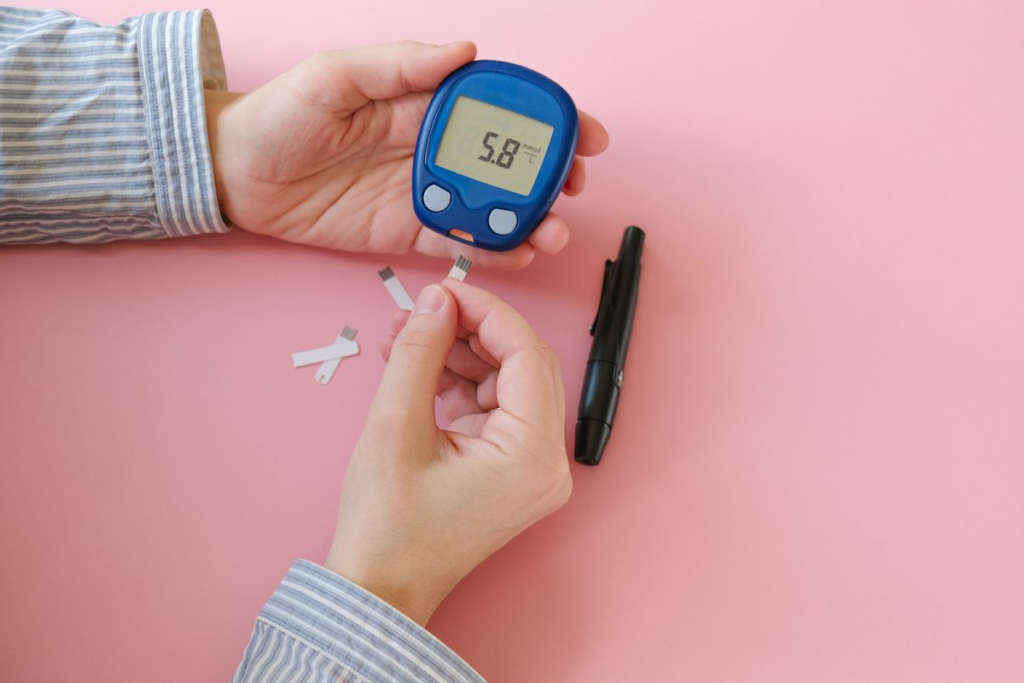
Fasting blood sugar investigation offers doctors a clear baseline measurement to compare against other glucose-related tests. Having an accurate baseline helps in diagnosing conditions, assessing treatment effectiveness, and monitoring health changes over time. Without fasting, blood sugar readings can be influenced by meals, snacks, or beverages, making them unreliable. A fasting test removes these variables and gives a true picture of metabolic function. This baseline is important for evaluating symptoms like fatigue, dizziness, or unexplained weight changes. By establishing a reliable starting point, fasting blood sugar investigation ensures accurate medical decisions and personalized treatment planning, especially when performed at a trusted blood-test-lab-in-gurgaon.
FAQS
What is fasting blood sugar investigation?
Fasting blood sugar investigation is a test that measures your blood glucose level after 8–12 hours of not eating. It helps assess how your body regulates sugar without the influence of food.
Why is fasting needed before the test?
Fasting is required because eating increases blood sugar. Fasting gives an accurate baseline reading, allowing doctors to identify issues like prediabetes, diabetes, or insulin resistance.
Who should get a fasting blood sugar test?
Anyone with symptoms like increased thirst, frequent urination, fatigue, or a family history of diabetes should take this test regularly. High-risk groups benefit the most.
What do high fasting blood sugar levels indicate?
High fasting levels may signal diabetes, prediabetes, insulin resistance, or metabolic disorders. It can also point to pancreatic or hormonal issues that require medical attention.
How often should fasting blood sugar be checked?
Healthy adults can check once a year, while individuals with prediabetes, diabetes, or risk factors should check more frequently, as advised by their healthcare provider
Can fasting blood sugar results be improved naturally?
Yes. Regular exercise, balanced eating, weight control, reducing sugar intake, managing stress, and proper sleep all help lower fasting glucose levels naturally.