
8 Powerful Reasons to Never Skip Your Regular Health Checkups

Is Watermelon Safe for Diabetics? Sugar Content, Diet Tips, and Nutrition Facts
October 23, 2025
Why House of Pathology Expert is the Best Blood Test Lab in Gurgaon
October 30, 2025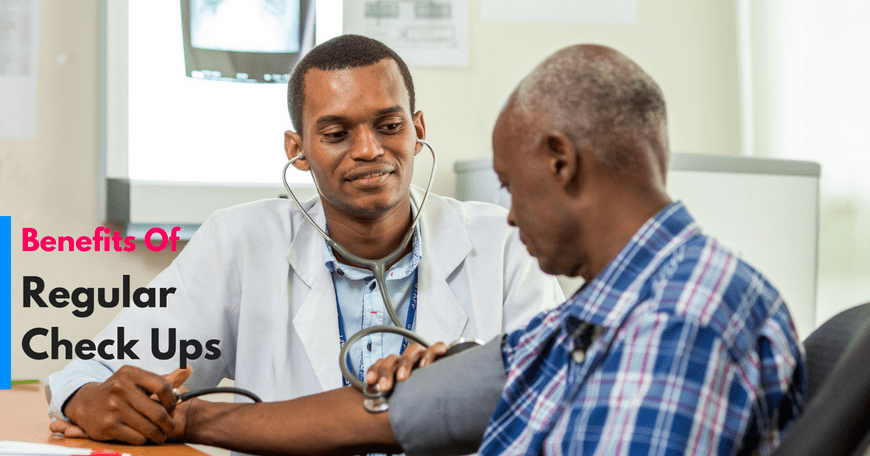
Health is the real wealth, and in today’s fast-paced world, it’s easy to ignore small signs that our body gives us. Most people visit the doctor only when they fall sick, but waiting for illness to strike can sometimes lead to bigger problems. That’s why scheduling a regular health check up is more than just a medical routine — it’s a powerful step towards preventive healthcare. A routine medical check up helps detect potential issues before they become severe, ensuring you stay one step ahead in maintaining good health. If you’re looking for reliable and comprehensive testing, visiting a trusted Diagnostic Center in Gurgaon can make your regular health check up more convenient, accurate, and efficient.
Whether you call it a regular check up, routine check up, or regular health check up, the idea remains the same — keeping a close eye on your overall well-being. These regular health checks are not only about finding problems but also about ensuring that your lifestyle, diet, and habits are supporting your body in the best way possible.
Let’s dive deeper into the 8 major reasons why regular health checkups are important and how they can transform your approach to health and wellness.

1. Early Detection of Diseases — Prevention Is Better Than Cure
One of the biggest advantages of a regular health check up is early detection. Many life-threatening diseases such as diabetes, hypertension, cancer, and heart problems start silently without any visible symptoms. A routine medical check up allows doctors to identify early warning signs before they escalate into serious conditions.
For instance, regular health checks can help you catch high cholesterol levels or abnormal sugar readings before they become chronic issues. A routine check up often includes blood tests, urine tests, and physical examinations that can reveal hidden imbalances in the body.
By opting for a regular check up, you’re essentially giving your doctor the chance to detect diseases at an early stage — when they are most treatable. It’s always easier and less costly to manage health problems early rather than waiting until they worsen. So, instead of waiting for pain or discomfort, go for that routine medical check up and secure your health before it’s too late.
2. Helps Maintain a Healthy Lifestyle
A regular health check up is not only for the sick; it’s a crucial part of maintaining a balanced lifestyle. Even if you feel fine, you might not know how your body is functioning internally. During a routine medical check up, doctors assess your vital signs, weight, body mass index, and overall fitness levels.
If any imbalance or deficiency is found, you can take corrective action right away. Regular health checks also serve as a reminder to focus on diet, exercise, sleep, and stress management. For instance, if your cholesterol or blood sugar levels are slightly elevated, your doctor can guide you on lifestyle changes to bring them back to normal.
A routine check up not only prevents future health issues but also motivates you to stay disciplined about your health habits. These regular health checks work like a feedback system — showing you what’s working and what needs improvement. Over time, this proactive approach leads to a longer, healthier, and more energetic life.
3. Reduces Long-Term Healthcare Costs
Many people avoid a regular check up thinking it’s an unnecessary expense, but the truth is the opposite. Regular health checks save money in the long run by preventing costly medical treatments for diseases that could have been avoided.
A routine medical check up helps detect problems at an early stage when treatment is simple and affordable. Ignoring your health until something serious happens can lead to emergency hospitalizations, surgeries, and expensive medications.
When you invest in a regular health check up, you’re essentially saving yourself from unexpected health shocks and financial strain. For example, finding a small infection early through a routine check up is far cheaper than treating a severe condition later.
In simple terms, regular health checks are not an expense but an investment in your future — both physically and financially. The cost of prevention will always be lower than the cost of cure.
4. Monitors Your Overall Health Progress
Regular monitoring helps you understand how your body is responding to lifestyle changes, diet, and medications. Through a regular health check up, doctors can compare current test results with your previous records to assess progress.
If you have conditions like diabetes, blood pressure, or thyroid issues, a routine medical check up ensures that these are under control. Even for healthy individuals, routine check ups provide valuable insights into trends in their health metrics.
You’ll be able to notice patterns — such as increasing cholesterol or blood sugar — that can be corrected before they cause harm. These regular health checks give you measurable data about your health journey.
Moreover, seeing positive progress during each regular check up can motivate you to stay consistent with healthy habits. Regular evaluations also help doctors adjust your treatment or lifestyle plan as needed.

5. Reduces the Risk of Complications
Many health problems start small but can quickly become dangerous if ignored. A regular health check up minimizes this risk by identifying problems early. For example, high blood pressure may not show symptoms initially, but if untreated, it can lead to stroke or heart attack.
A routine medical check up helps in timely diagnosis and treatment, preventing complications and ensuring faster recovery. Doctors can prescribe medication or suggest lifestyle modifications before the condition becomes severe.
By undergoing a routine check up, you reduce the risk of sudden health emergencies. Regular health checks also allow you to discuss recurring symptoms or family medical history with your doctor, leading to customized care plans.
Taking time for a regular check up means giving your body the attention it deserves — reducing risk, improving longevity, and protecting your future health.
6. Strengthens Doctor–Patient Relationship
Another often-overlooked benefit of regular health check up is the stronger relationship you build with your doctor. Regular visits allow your doctor to understand your medical history, family background, and lifestyle habits.
A routine medical check up encourages open communication, making it easier for you to discuss concerns or ask health-related questions. Over time, this trust ensures that you receive personalized care tailored to your specific needs.
Doctors can give better advice when they know your health patterns, which is only possible through regular health checks. It also helps in preventive counseling — your doctor can guide you on vaccines, nutrition, stress management, and screening tests.
A routine check up thus becomes more than a formality — it becomes a continuous partnership between you and your healthcare provider. And that’s exactly what keeps you healthier in the long run.
7. Promotes Mental and Emotional Well-Being
Physical health and mental health go hand in hand. When you go for a regular health check up, you’re not just caring for your body but also reducing anxiety and uncertainty about your well-being.
Many people constantly worry about undiagnosed health problems. A routine medical check up can give you peace of mind by confirming that everything is normal or by helping you take quick action if something isn’t.
Knowing your health status through regular health checks helps you feel more in control. It reduces stress and promotes confidence in your body’s strength. A routine check up may also include discussions about sleep, stress, or mental fatigue — all of which are important for holistic wellness.
In short, being proactive about regular health check up not only keeps your body fit but also contributes to a calm, positive state of mind.
8. Increases Life Expectancy and Quality of Life
Ultimately, the goal of every regular health check up is to help you live longer and healthier. Early detection, timely intervention, and preventive care all add up to a longer life with fewer health complications.
People who follow a routine medical check up schedule tend to have better control over chronic conditions, stronger immunity, and more energy. By making regular health checks a habit, you enhance not just your lifespan but also your quality of life.
A routine check up ensures that your organs, metabolism, and vital systems are functioning properly. It allows your doctor to recommend supplements or lifestyle changes that keep you active and youthful.
Think of a regular check up as a service for your body — like maintenance for a car. Just as you wouldn’t ignore an oil change or tire inspection, you shouldn’t skip your routine medical check up either. It’s a small effort that brings huge returns in the form of health, happiness, and longevity.

Conclusion: Invest in Your Health Today
In conclusion, regular health check up is not a luxury; it’s a necessity for everyone, regardless of age or profession. With busy schedules, stress, and unhealthy habits becoming part of modern life, it’s crucial to take proactive steps toward maintaining wellness.
A routine medical check up acts as a shield against potential health threats, allowing early detection and timely treatment. It saves money, prevents complications, improves lifestyle, and gives you peace of mind. With access to advanced facilities and Specialized Tests in Gurgaon, you can ensure accurate diagnostics and personalized care for every aspect of your health.
If you haven’t scheduled a routine check up yet, now is the time to start. Whether you’re young or old, fit or struggling, regular health checks can make a significant difference in how you live and how long you live.
Remember, your body is your most valuable asset. Treat it with care, nourish it with good habits, and protect it through regular check up sessions. Health doesn’t happen by chance — it happens by choice. Choose wisely.
FAQS
Why are regular health checkups important?
Regular health checkups are essential because they help detect potential health problems at an early stage, allowing timely treatment and prevention. They also help monitor your overall well-being, maintain a healthy lifestyle, and reduce the risk of serious diseases.
How often should I go for a routine medical check up?
It depends on your age, medical history, and lifestyle. Generally, adults should have a routine medical check up once a year. However, if you have chronic conditions like diabetes or hypertension, your doctor may recommend regular check ups more frequently.
What tests are included in a regular health check up?
A regular health check up usually includes blood tests, urine tests, blood pressure measurement, cholesterol screening, sugar level check, liver and kidney function tests, and a physical examination. Your doctor may also suggest additional tests based on your health condition.
Can regular health checks really prevent diseases?
Yes, regular health checks can help prevent diseases by detecting them early. When issues like high cholesterol, abnormal sugar levels, or hormonal imbalances are found early through a routine check up, they can be managed before turning into serious health problems.
Are routine medical check ups necessary if I feel healthy?
Absolutely. Even if you feel fine, a routine medical check up is important because some diseases show no symptoms in the early stages. Regular health checks help uncover hidden risks and ensure that your body is functioning properly
What are the long-term benefits of regular health checkups?
The long-term benefits of regular health check ups include improved life expectancy, lower medical expenses, better control over chronic conditions, and enhanced quality of life. A routine check up empowers you to make informed decisions about your health and well-being.