
Understanding Urine Culture Testing and Its Impact on Your Well-Being

The Role of Blood Tests in the Early Detection of Rheumatoid Arthritis
January 20, 2026
How to Choose the Best Lab for Blood Tests – Factors to Consider
February 3, 2026
Maintaining good urinary health is a vital part of overall well-being, yet it is often overlooked until symptoms become uncomfortable or disruptive. One of the most reliable diagnostic tools used to detect infections and abnormalities in the urinary system is the Urine Culture Test in Gurgaon. This simple yet powerful test helps identify harmful microorganisms in the urine and guides healthcare providers toward accurate treatment decisions
A Urine Culture Test plays a critical role in diagnosing urinary tract infections and preventing complications that may affect the kidneys, bladder, and overall health. Understanding how this test works, when it is needed, and what its results mean can empower individuals to take better control of their health and seek timely medical care.

What is a Urine Culture Test?
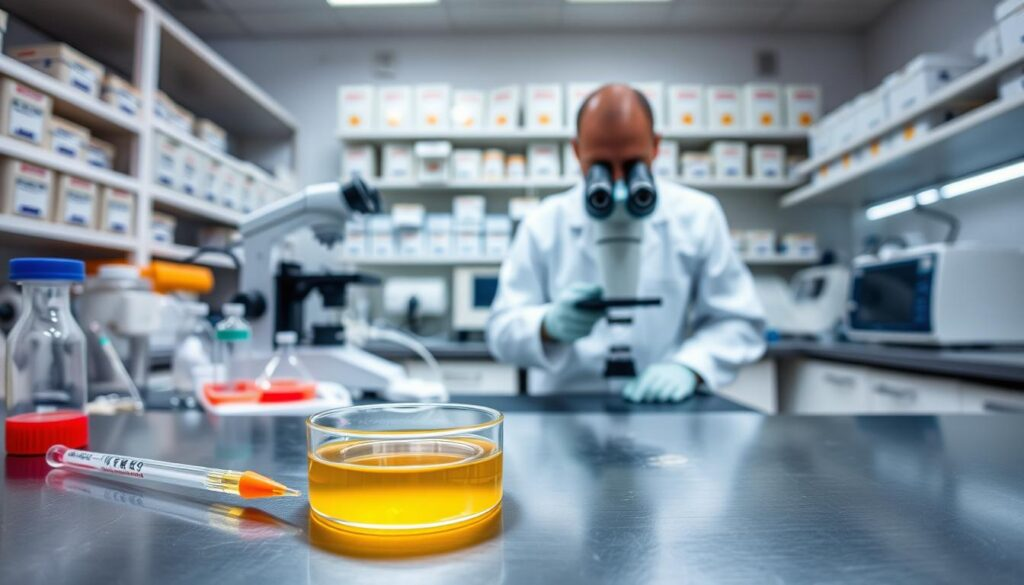
A Urine Culture Test is a laboratory examination that detects and identifies bacteria, fungi, or other microorganisms present in urine. Unlike routine urine tests that only assess physical and chemical properties, Urine Culture Testing focuses specifically on identifying infectious organisms and measuring their growth.
The test involves collecting a urine sample, which is then placed in a controlled environment that allows microorganisms to grow. This growth helps determine whether an infection is present and identifies the specific organism causing it.
Key characteristics of a Urine Culture Test include
- Detection of bacterial or fungal infections
- Identification of the exact microorganism
- Determination of infection severity
- Guidance for targeted treatment
A Urine Culture Test is considered one of the most accurate methods for diagnosing urinary tract infections and related conditions.
The Purpose of a Urine Culture Test
The primary purpose of a Urine Culture Test is to confirm the presence of infection in the urinary system. This test allows healthcare providers to distinguish between bacterial infections and other causes of urinary discomfort.
The main objectives of Urine Culture Testing are
- To confirm or rule out a urinary tract infection
- To identify the specific organism causing the infection
- To determine the most effective medication
- To monitor treatment effectiveness
By identifying the exact cause of infection, a Urine Culture Test helps avoid unnecessary medications and reduces the risk of antibiotic resistance.
Symptoms That May Require a Urine Culture Test
Certain symptoms strongly indicate the need for a Urine Culture Test, especially when they persist or worsen over time. Early testing can prevent infections from spreading to the kidneys or bloodstream.
Common symptoms that may require Urine Culture Testing include
- Pain or burning sensation during urination
- Frequent urge to urinate
- Cloudy or foul-smelling urine
- Lower abdominal or pelvic pain
- Fever or chills
- Blood in the urine
- Incomplete bladder emptying
When these symptoms occur repeatedly, a Urine Culture Test becomes essential for accurate diagnosis and proper treatment planning.
Understanding the Results of a Urine Culture Test
Interpreting the results of a Urine Culture Test is a crucial step in managing urinary health. Results are typically categorized as negative, positive, or inconclusive.
A negative result indicates no significant microbial growth, meaning no infection is present.
A positive result confirms the presence of bacteria or fungi, along with their concentration.
An inconclusive result may occur due to contamination or insufficient sample collection.
Important factors included in Urine Culture Test results
- Type of microorganism detected
- Quantity of microbial growth
- Sensitivity to specific medications
Understanding these results allows healthcare providers to create a targeted and effective treatment plan based on Urine Culture Testing findings.
Common Findings in Urine Culture Tests
A Urine Culture Test often reveals specific organisms responsible for urinary infections. These findings help differentiate between mild and severe infections.
Common findings include
- Bacterial growth indicating infection
- Fungal presence in individuals with weakened immunity
- Multiple organisms suggesting contamination
- High colony counts indicating active infection
Repeated abnormal findings in a Urine Culture Test may suggest chronic or recurrent infections that require further evaluation.

Treatment Options Based on Urine Culture Results
Treatment decisions are heavily influenced by Urine Culture Test results. Since the test identifies the exact microorganism, treatment can be customized for maximum effectiveness.
Treatment options based on Urine Culture Testing may include
- Targeted medication based on sensitivity results
- Adjusted dosage for severe infections
- Extended treatment duration for recurrent cases
- Alternative therapies when resistance is detected
Using Urine Culture Test results ensures that treatment is precise, effective, and safe, minimizing unnecessary exposure to ineffective medications.
The Importance of Follow-Up Tests
Follow-up Urine Culture Testing is often recommended after completing treatment, especially in cases of severe or recurring infections. This ensures the infection has been fully resolved.
Benefits of follow-up Urine Culture Tests include
- Confirmation of infection clearance
- Detection of persistent bacteria
- Prevention of complications
- Monitoring treatment success
Ignoring follow-up testing may allow hidden infections to progress, making Urine Culture Testing an essential part of long-term urinary health management.
Preventing Urinary Tract Infections
While Urine Culture Tests are valuable for diagnosis, prevention remains equally important. Simple lifestyle habits can significantly reduce the risk of infection.
Effective prevention strategies include
- Staying well hydrated
- Maintaining proper personal hygiene
- Avoiding delayed urination
- Wearing breathable clothing
- Following medical advice for recurrent infections
Preventive care reduces the frequency of infections and the need for repeated Urine Culture Testing.
When to Consult Your Healthcare Provider
Timely consultation with a healthcare provider is crucial when urinary symptoms appear. Delaying care can lead to complications that affect overall well-being.
Consult your healthcare provider if
- Symptoms persist for more than two days
- Pain or fever increases
- Infections recur frequently
- Urine appearance changes significantly
Early consultation allows prompt Urine Culture Test evaluation and ensures effective treatment before complications arise.
Conclusion
A Urine Culture Test is an essential diagnostic tool that plays a vital role in protecting urinary and overall health. By identifying infections accurately, guiding treatment decisions, and preventing complications, Urine Culture Testing significantly improves patient outcomes.
Understanding when and why a Urine Culture Test is needed empowers individuals to seek timely care and make informed health decisions. With proper testing, accurate diagnosis, and preventive measures offered by the Best Diagnostic Center in Gurugram, urinary health can be effectively managed, contributing to long-term well-being and comfort.
FAQS
What is urine culture testing?
Urine culture testing is a laboratory test that identifies bacteria or other microorganisms in urine to diagnose urinary tract infections accurately.
Why is urine culture testing important?
It helps confirm infections, identify the exact cause, and ensure the most effective treatment for better urinary health.
When should a urine culture test be done?
A urine culture test is recommended when symptoms like burning urination, frequent urges, fever, or cloudy urine persist
How is a urine culture test performed?
A urine sample is collected and analyzed in a lab to observe microbial growth and determine infection presence
How long does it take to get urine culture test results?
Results are usually available within 24 to 48 hours, depending on the growth of microorganisms.
Can urine culture testing prevent complications?
Yes, early urine culture testing helps prevent infections from spreading and reduces the risk of kidney or bladder complications