
The Role of Blood Tests in the Early Detection of Rheumatoid Arthritis

Metabolic Testing Explained: Types, Benefits, and Why It Matters
January 13, 2026
Understanding Urine Culture Testing and Its Impact on Your Well-Being
January 30, 2026
Understanding Rheumatoid Arthritis
Rheumatoid arthritis is a chronic autoimmune disorder that primarily affects the joints. Unlike other forms of arthritis, which are often caused by wear and tear, rheumatoid arthritis occurs when the body’s immune system mistakenly attacks its own tissues. This attack leads to joint inflammation, pain, stiffness, and swelling, and over time can result in joint deformity and reduced mobility. Rheumatoid arthritis is not limited to the joints alone. In many cases, it can affect other organs such as the lungs, heart, and eyes, leading to serious complications. Detecting rheumatoid arthritis at an early stage at a Best Diagnostic Center in Gurugram to managing symptoms effectively and slowing disease progression.
Common symptoms of rheumatoid arthritis include:
- Persistent joint pain and tenderness
- Swelling in fingers, wrists, or knees
- Morning stiffness lasting more than an hour
- Fatigue and generalized weakness
- Occasional low-grade fever
Because the symptoms can often be confused with other conditions, early detection through medical testing is essential. Blood tests play a critical role in identifying rheumatoid arthritis even before visible joint damage occurs, giving patients the best chance for effective treatment.
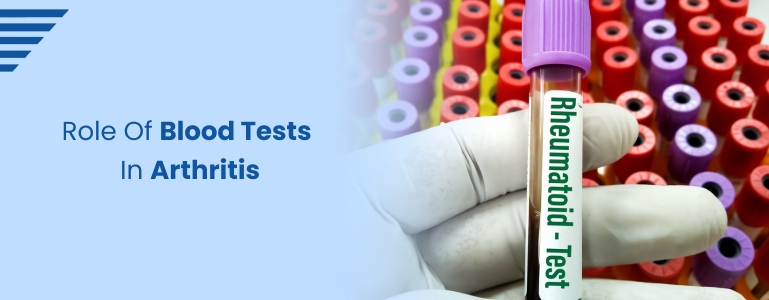
The Critical Role of Blood Tests
Blood tests are a cornerstone in the early detection of rheumatoid arthritis. They provide invaluable information about the body’s immune response and inflammation levels. Unlike imaging tests, which reveal structural changes in joints, blood tests can detect rheumatoid arthritis at a biochemical level, sometimes years before significant joint damage appears.
Blood tests for rheumatoid arthritis serve multiple purposes:
- Confirming the presence of autoimmune activity
- Identifying specific markers associated with rheumatoid arthritis
- Monitoring disease progression
- Evaluating response to treatment
Early diagnosis of rheumatoid arthritis allows doctors to start interventions that reduce inflammation, relieve pain, and prevent permanent joint damage. Without these blood tests, rheumatoid arthritis may go undetected until severe symptoms appear, making treatment more complicated.
What Blood Results Reveal
There are several types of blood tests that are commonly used to detect rheumatoid arthritis. Each provides specific information about the condition and helps healthcare providers create a comprehensive treatment plan.
1. Rheumatoid Factor (RF) Test
Rheumatoid factor is an antibody found in the blood of many patients with rheumatoid arthritis. A positive RF test suggests the presence of autoimmune activity against joint tissues. While not definitive on its own, it is a strong indicator when combined with clinical symptoms and other tests.
2. Anti-Cyclic Citrullinated Peptide (Anti-CCP) Test
The anti-CCP test is highly specific for rheumatoid arthritis. It detects antibodies that target specific proteins in the joints, often before symptoms become severe. A positive anti-CCP result is considered a reliable marker for early rheumatoid arthritis.
3. Erythrocyte Sedimentation Rate (ESR) Test
ESR measures the rate at which red blood cells settle at the bottom of a test tube over one hour. An elevated ESR indicates inflammation in the body, which is a hallmark of rheumatoid arthritis.
4. C-Reactive Protein (CRP) Test
CRP is another marker of inflammation. High levels of CRP suggest active inflammation, providing insight into the severity of rheumatoid arthritis. CRP levels are often used to monitor treatment effectiveness.
5. Complete Blood Count (CBC)
A CBC can reveal anemia, a condition commonly associated with rheumatoid arthritis, and help assess overall health. Abnormal white blood cell counts may indicate immune system activity related to autoimmune disorders.
6. Other Specialized Tests
Additional blood tests may include tests for antinuclear antibodies (ANA) and HLA-B27, which can help differentiate rheumatoid arthritis from other autoimmune conditions.
Collectively, these blood tests provide a comprehensive picture of immune activity, inflammation, and early joint involvement, enabling doctors to diagnose rheumatoid arthritis accurately.
Early Detection Makes All the Difference
Early detection of rheumatoid arthritis through blood tests is critical for long-term health outcomes. When treatment begins early, patients are more likely to experience reduced joint damage, less pain, and improved mobility.
Benefits of early detection include:
- Prevention of permanent joint deformities
- Reduced need for invasive procedures such as joint replacement
- Better response to disease-modifying treatments
- Improved quality of life and daily functioning
- Reduced risk of complications affecting organs such as the heart and lungs
Rheumatoid arthritis is a progressive condition. The longer it goes undiagnosed, the greater the risk of irreversible joint damage and disability. Blood tests can reveal early signs of rheumatoid arthritis even when symptoms are mild or nonspecific, giving healthcare providers a crucial advantage in managing the disease.

Why Choose Professional Laboratory Services
To ensure accurate results, it is essential to choose professional laboratory services for blood tests. Laboratory accuracy is critical in diagnosing rheumatoid arthritis because even minor errors can lead to misdiagnosis or delayed treatment.
Advantages of professional laboratory services include:
- State-of-the-art equipment for precise measurements
- Experienced laboratory technicians trained in autoimmune testing
- Reliable reporting and interpretation of complex blood markers
- Timely results that allow for rapid diagnosis and treatment planning
- Consistency and standardization in testing procedures
Professional laboratories also provide comprehensive testing panels for rheumatoid arthritis, ensuring that all relevant markers are assessed. This reduces the likelihood of missed diagnoses and supports early, effective intervention.
The Connection Between Lifestyle and Blood Test Monitoring
While blood tests are crucial in diagnosing rheumatoid arthritis, ongoing monitoring is equally important. Patients can benefit from regular blood tests to track disease progression and adjust treatment plans as needed.
Lifestyle measures that support rheumatoid arthritis management include:
- Maintaining a healthy weight to reduce joint stress
- Engaging in low-impact exercises like swimming or yoga
- Consuming an anti-inflammatory diet rich in fruits, vegetables, and omega-3 fatty acids
- Avoiding smoking, which can exacerbate autoimmune activity
- Managing stress through mindfulness, meditation, or therapy
Regular blood tests combined with these lifestyle measures empower patients to actively participate in their rheumatoid arthritis management and improve long-term outcomes.
Blood Tests as a Diagnostic and Predictive Tool
One of the most significant advantages of blood tests is their predictive value. Even before physical symptoms become pronounced, a Blood Test Lab in Gurgaon can detect antibodies and markers that signal the early stages of rheumatoid arthritis. This early detection can inform preventive strategies and guide healthcare providers in recommending treatment plans tailored to each patient.
For instance, patients with positive anti-CCP antibodies may benefit from early initiation of disease-modifying antirheumatic drugs (DMARDs). These medications can slow disease progression and prevent joint erosion, which is often irreversible.
Blood tests also help differentiate rheumatoid arthritis from other forms of arthritis, such as osteoarthritis or psoriatic arthritis, which require different management approaches. This ensures that patients receive accurate diagnoses and appropriate treatments without unnecessary delays.
The Future of Rheumatoid Arthritis Detection
Advancements in medical science continue to enhance the role of blood tests in rheumatoid arthritis detection. Researchers are exploring new biomarkers and genetic indicators that can identify individuals at risk even before autoimmune activity begins.
Emerging blood test technologies aim to provide:
- Faster and more accurate results
- Greater sensitivity in detecting early-stage rheumatoid arthritis
- Personalized insights into treatment response
- Predictive capabilities for long-term disease progression
These innovations highlight the growing importance of blood tests not only for diagnosis but also for proactive disease management and prevention strategies.
Conclusion
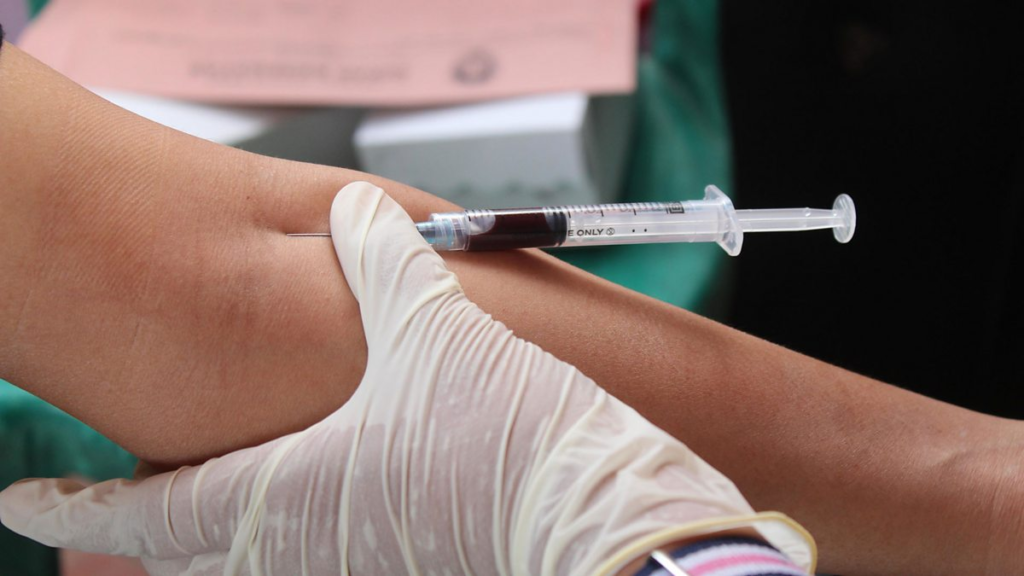
Rheumatoid arthritis is a complex autoimmune disorder that can significantly impact quality of life if left undetected. Blood tests play an indispensable role in the early detection of rheumatoid arthritis, offering valuable insights into immune system activity and inflammation levels.
Through tests such as Rheumatoid Factor, Anti-CCP, ESR, CRP, and CBC, healthcare providers can diagnose rheumatoid arthritis early, monitor disease progression, and implement treatment plans that reduce joint damage and improve patient outcomes.
Choosing professional laboratory services ensures that blood tests are accurate, reliable, and interpreted correctly, giving patients the best chance for early intervention and long-term health. Combined with healthy lifestyle measures and regular monitoring, blood tests form the foundation of effective rheumatoid arthritis management, enabling patients to lead active and fulfilling lives despite their condition.
By understanding the critical role of blood tests, patients and healthcare providers can work together to detect rheumatoid arthritis early, prevent complications, and ensure a better quality of life.
FAQS
What is rheumatoid arthritis?
Rheumatoid arthritis is a chronic autoimmune disorder where the immune system attacks the joints, causing pain, swelling, and stiffness.
Why are blood tests important for rheumatoid arthritis?
Blood tests help detect rheumatoid arthritis early by identifying inflammation and autoimmune markers even before severe symptoms appear.
Which blood tests are commonly used for rheumatoid arthritis detection?
Common tests include Rheumatoid Factor (RF), Anti-CCP, ESR, CRP, and Complete Blood Count (CBC) to monitor inflammation and immune activity.
Can blood tests detect rheumatoid arthritis before symptoms appear?
Yes, tests like Anti-CCP can indicate early rheumatoid arthritis, allowing for timely treatment to prevent joint damage.
How do professional laboratory services improve test accuracy?
Professional labs provide precise equipment, trained technicians, and standardized procedures, ensuring reliable and accurate results.
How does early detection benefit patients with rheumatoid arthritis?
Early detection helps reduce joint damage, control inflammation, improve mobility, and enhance overall quality of life.