Pregnancy Blood Tests Explained: Week-by-Week Guide for Moms-to-Be

10 Important Advantages of a Lipid Profile Test You Should Know
March 17, 2026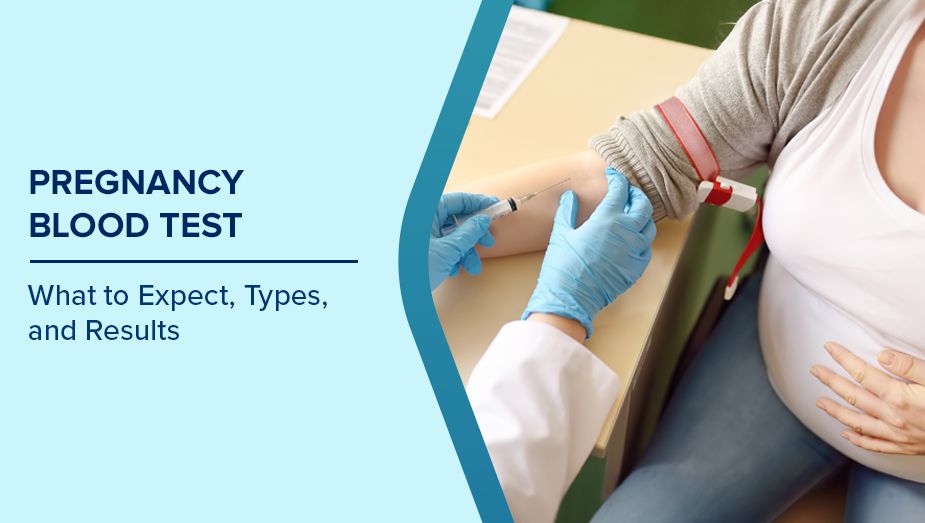
Pregnancy is an exciting journey filled with many changes, and ensuring both mother and baby stay healthy is a top priority. One of the most important aspects of prenatal care is regular blood testing, which helps doctors monitor your health, detect potential risks, and track your baby’s development. Choosing a reliable Blood Test Lab in Gurgaon ensures accurate results and timely diagnosis, making your pregnancy care safer and more effective.
This detailed guide on Pregnancy Blood Tests Explained: Week-by-Week Guide for Moms-to-Be will help you understand what tests are done, why they are important, and what to expect during each stage of pregnancy.

Early Pregnancy Blood Work: What Happens in the First Trimester
During the first trimester (weeks 1–13), your doctor will recommend several essential blood tests. These tests provide a baseline understanding of your health and help identify any risks early on.
Key blood tests in early pregnancy include:
- Blood Group and Rh Factor Test
This determines your blood type and Rh status. If you are Rh-negative, you may need special care to avoid complications. - Complete Blood Count (CBC)
Helps detect anemia, infections, and overall blood health. - Infectious Disease Screening
- HIV
- Hepatitis B
- Syphilis
- Rubella Immunity Test
Check whether you are immune to rubella, which can affect fetal development. - Thyroid Function Test
Ensures your thyroid hormones are balanced, which is crucial for your baby’s brain development.
These Blood Tests During Pregnancy: First Trimester are extremely important because they help identify any issues early and allow for timely treatment.
How Often Are Blood Tests Needed During Pregnancy?
Many moms wonder about the frequency of testing. The answer depends on your health condition and pregnancy risk level.
Generally:
- First trimester: Multiple tests for baseline screening
- Second trimester: Targeted tests based on earlier results
- Third trimester: Monitoring tests for mother and baby
So, How Many Blood Tests During Pregnancy? On average, you may have 3 to 6 major blood test sessions, but this can vary depending on your doctor’s advice.
Important point:
High-risk pregnancies may require more frequent testing to ensure safety.
Mid-Pregnancy Screening: Second Trimester Insights
The second trimester (weeks 14–26) is often considered the most comfortable phase of pregnancy. However, it is also a critical time for screening developmental conditions.
Common second trimester blood tests include:
- Quadruple Marker Test
Screens for- Down syndrome
- Neural tube defects
- Glucose Challenge Test (GCT)
Helps detect gestational diabetes, which can affect both mother and baby. - Iron Level Testing
Ensures you are not developing anemia.
These Second Trimester Blood Tests (Weeks 14-26) provide deeper insights into your baby’s growth and help identify any abnormalities early.
Final Stage Monitoring: Third Trimester Blood Checks
The third trimester (weeks 27–40) focuses on preparing for delivery and ensuring both mother and baby are healthy.
Important blood tests include:
- Repeat CBC Test
Checks for anemia or infections before delivery. - Blood Sugar Monitoring
Especially important if gestational diabetes was detected earlier. - Group B Streptococcus (GBS) Test
Detects bacteria that could affect the baby during delivery.
These Third Trimester Blood Tests (Weeks 27-40) are crucial for ensuring a safe delivery and reducing complications.
Important note:
Timely testing in this stage can prevent last-minute risks during childbirth.

Week-by-Week Blood Test Timeline: What Moms Should Expect
Understanding the timeline helps reduce anxiety and prepares you for each stage.
Here’s a simplified breakdown:
- Weeks 4–8:
- Pregnancy confirmation
- hCG levels check
- Weeks 8–12:
- Full blood panel
- Infection screening
- Thyroid and CBC
- Weeks 14–18:
- Quad marker test
- Genetic screening
- Weeks 24–28:
- Glucose test for diabetes
- Weeks 32–36:
- Repeat CBC
- Infection checks
- Weeks 36–40:
- GBS test
- Final health evaluation
This Test During Pregnancy Week by Week: What to Expect guide ensures you stay informed and confident throughout your journey.
Understanding First Trimester Screening Results
Getting test results can sometimes feel overwhelming. Knowing what they mean can help reduce stress.
Key points to understand:
- Normal Results:
Indicate low risk, but not a guarantee of zero complications - Abnormal Results:
Do not always mean a problem—further tests may be needed - hCG and PAPP-A Levels:
Used to assess the risk of chromosomal abnormalities
These First Trimester Screening Blood Test Results: What They Mean are used along with ultrasound findings to provide a clearer picture.
Important reminder:
Screening tests show risk levels, not definitive diagnoses.
The Role of Genetic Testing in Modern Pregnancy Care
Genetic testing has become an essential part of prenatal care, offering deeper insights into your baby’s health.
Types of genetic tests:
- Non-Invasive Prenatal Testing (NIPT)
- Detects chromosomal conditions
- Safe and highly accurate
- Carrier Screening
- Identifies if parents carry genetic disorders
- Amniocentesis (if required)
- Provides definitive diagnosis in high-risk cases
Genetic Testing During Pregnancy: A Vital Tool helps parents make informed decisions and prepare for any special care needs.

Final Thoughts on Pregnancy Blood Tests
Pregnancy is a beautiful journey, and regular monitoring plays a crucial role in ensuring everything progresses smoothly. Choosing the Best Pathology Center in Gurgaon ensures accurate testing, timely reports, and better care for both mother and baby throughout the pregnancy.
This guide on Pregnancy Blood Tests Explained: Week-by-Week Guide for Moms-to-Be highlights the importance of timely testing and awareness.
From early screenings to final trimester checks, every test serves a purpose in protecting both mother and baby.
- Blood tests are essential for early detection and prevention
- Each trimester has specific tests tailored to your needs
- Understanding your results helps reduce stress and confusion
- Regular follow-ups ensure a healthy pregnancy and safe delivery
By staying informed and following your doctor’s recommendations, you can confidently navigate your pregnancy journey with peace of mind.