
How Much Protein and Calories Are in Paneer? Complete 100g to 1kg Nutrition Breakdown
Is Makhana Healthy? Nutrition, Glycemic Index, Benefits & Why It’s Good for Diabetes and Heart Health
October 13, 2025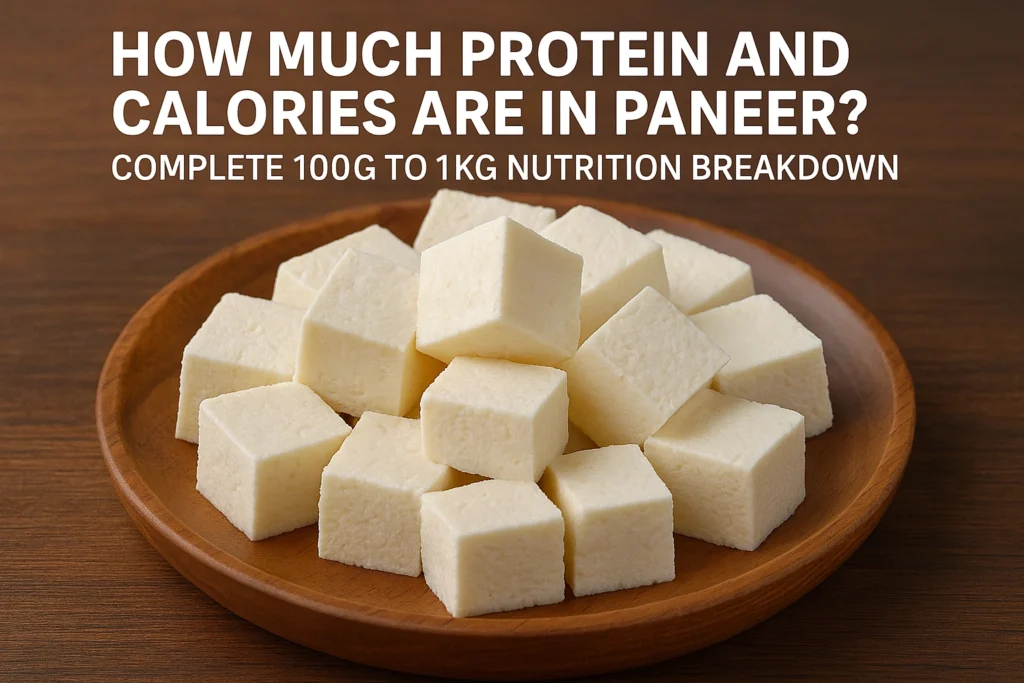
When it comes to healthy vegetarian protein sources, paneer easily tops the list in Indian households. Whether it’s added to your curry, grilled as tikkas, or eaten raw in salads, paneer is a nutrient-dense food that packs a solid punch of protein, calcium, and good fats. But how much protein and calories are in paneer exactly? Let’s break it down — from 100 grams to a full kilogram — so you know exactly what you’re eating.
🧀 What Is Paneer and Why Is It So Popular?
Paneer, also known as Indian cottage cheese, is made by curdling milk with lemon juice or vinegar. Unlike other cheeses, it’s non-aged and non-fermented, making it lighter and easier to digest.
Because of its high protein content and versatility, paneer has become a staple for vegetarians looking to meet their daily protein needs without relying on meat or eggs.
In India, paneer isn’t just a food — it’s an emotion. From festive dishes like Shahi Paneer and Paneer Butter Masala to everyday snacks like grilled paneer cubes, it’s a protein source that fits into any meal plan.
⚖️ Paneer Nutrition Facts per 100g
Let’s look at what 100 grams of paneer actually gives you in terms of nutritional value:
| Nutrient | Amount (Approximate per 100g) |
|---|---|
| Calories | 260–300 kcal |
| Protein | 18–22 grams |
| Fat | 20–25 grams |
| Carbohydrates | 1–2 grams |
| Calcium | 480 mg |
| Phosphorus | 210 mg |
| Vitamin B12 | 0.8 µg |
| Magnesium | 10 mg |
These values can vary slightly depending on the milk used (cow or buffalo) and whether the paneer is full-fat or low-fat.
🧩 100 Gram Paneer Protein and Calories Breakdown
When someone says 100 gram paneer protein, they’re referring to the 18–22 grams of protein that paneer provides per 100 grams.
That’s quite impressive — roughly equivalent to 3 boiled eggs or a 100g chicken breast.
If you’re tracking calories, 100 gram paneer calories typically range from 260 to 300 kcal, depending on how it’s prepared. For instance:
- Raw paneer (fresh, soft) → around 260 kcal
- Grilled paneer or shallow-fried → around 300–320 kcal
- Deep-fried paneer cubes → over 400 kcal
So, while paneer is a great protein source, cooking methods play a big role in how healthy it stays.
🍴 Protein in 100 gm Paneer vs Other Foods
If you’re comparing protein in 100 gm paneer to other foods:
- 100 gm paneer → 18–22 g protein
- 100 gm tofu → 8–10 g protein
- 100 gm lentils (boiled) → 9 g protein
- 100 gm eggs → 13 g protein
Clearly, paneer outperforms most vegetarian protein sources. That’s why athletes, gym-goers, and those on weight-loss diets often include it in their daily meals.
🧠 Paneer Nutrition Facts (100g Detailed Look)
Beyond just protein, paneer is rich in healthy fats, calcium, and phosphorus, which are crucial for bone and muscle health.
It’s also an excellent source of B vitamins, especially Vitamin B12, which supports energy metabolism and nerve function — something vegetarians often lack.
Health Benefits of Paneer:
- Muscle Repair and Growth:
Thanks to its high protein, paneer supports muscle recovery after workouts. - Stronger Bones and Teeth:
The calcium-phosphorus combo helps maintain bone density. - Better Satiety:
High protein and fat keep you full longer, helping control overeating. - Weight Management:
Moderate amounts of paneer can support weight loss by reducing hunger pangs. - Improved Metabolism:
Vitamin B12 aids in maintaining healthy metabolism and red blood cell formation.
🧀 Paneer 100 gm Calories – How to Calculate Based on Preparation
The calorie count of paneer 100 gm varies depending on its preparation:
| Type of Paneer | Calories (Approximate per 100g) |
|---|---|
| Raw (homemade cow milk paneer) | 260 kcal |
| Buffalo milk paneer | 300 kcal |
| Low-fat paneer | 150–180 kcal |
| Fried paneer | 350–400 kcal |
| Paneer curry (with gravy) | 250–280 kcal |
If your goal is weight loss or muscle gain, adjust the type and portion size accordingly. For lean muscle building, stick to grilled or raw paneer instead of fried varieties.
🧮 1 Kg Paneer Protein and Calorie Count
If 100 grams of paneer provides around 18–22 grams of protein, then:
- 1 kg paneer = 180–220 grams of protein
That’s a massive amount — enough to cover several days of protein intake for an average adult.
Similarly, for calories:
- 1 kg paneer = approximately 2600–3000 kcal
But remember — nobody eats a kilogram of paneer in one sitting. This breakdown simply helps you understand how nutrient-dense paneer is, especially if you’re calculating macros for meal prep or fitness goals.
💪 How to Include Paneer in a Balanced Diet
Paneer can fit into almost any diet — weight gain, muscle building, or fat loss. The trick lies in how much and how you cook it.
For Muscle Gain:
- Eat 150–200g paneer daily
- Combine with roti, rice, or whole grains for complete amino acid profile
- Prefer full-fat paneer for extra calories
For Weight Loss:
- Eat 50–100g paneer daily
- Go for low-fat paneer or homemade version
- Avoid deep-frying or heavy gravies
For General Wellness:
- Include paneer 3–4 times a week
- Pair with vegetables or salads
- Avoid excessive salt or oil
🧬 How Paneer Helps with Hormonal and Metabolic Health
Your diet affects not just your physique but your hormones and immunity too.
A protein-rich food like paneer helps stabilize blood sugar levels and supports hormone balance — especially when combined with regular checkups and diagnostic care.
For instance, if you suspect imbalances due to fatigue, stress, or weight changes, getting a Hormone Test in Gurgaon can help you identify thyroid or endocrine issues early. Such tests provide deeper insights into how your body is functioning internally while you focus on nutrition and fitness.
🩸 Importance of Regular Health Monitoring
Consuming healthy food like paneer is only one side of the equation. To truly stay fit, you need to track your body’s internal health regularly.
A simple Blood Test Lab in Gurgaon can reveal vital markers such as cholesterol, triglycerides, and blood sugar — all of which are directly impacted by your dietary habits.
When you’re consuming paneer regularly, especially if it’s full-fat, keeping an eye on your lipid profile and liver function ensures you’re maintaining the right balance between nutrients and fats.
🛡️ Boosting Immunity with Paneer and Nutrition Tests
Paneer contributes indirectly to stronger immunity through its rich amino acid and calcium profile. However, overall immunity depends on a lot more — including gut health, vitamins, and white blood cell function.
If you’re often feeling low in energy or falling sick frequently, consider booking an Immunity Test in Gurgaon. It helps assess your body’s resistance levels and detect underlying infections or deficiencies that nutrition alone can’t reveal.
🧀 Homemade vs Store-Bought Paneer: Which Is Healthier?
Homemade Paneer:
- Fresher and preservative-free
- You control the fat level (by using skim or full cream milk)
- Retains more protein and calcium
Store-Bought Paneer:
- Convenient and consistent
- May contain stabilizers or higher sodium
- Often slightly denser in calories
Verdict:
If possible, make paneer at home. It’s easy, takes 10–15 minutes, and gives you full control over quality.
🔬 Nutritional Tips for Maximum Benefit
- Pair paneer with fiber-rich foods like spinach, chickpeas, or whole grains to aid digestion.
- Avoid mixing paneer with heavy oils or cream-based curries if your goal is fat loss.
- Eat raw or lightly cooked paneer post-workout for quick protein absorption.
- Hydrate well — high-protein foods increase your body’s water requirement.
- Track your macros using a fitness app to ensure you stay within your calorie limits.
🧠 Final Thoughts: Paneer as a Powerhouse of Nutrition
Paneer is more than just a tasty dairy product — it’s a complete nutrition package that supports muscle health, bone strength, and overall wellness.
From 100 gram paneer protein counts to the calorie-heavy 1 kg paneer protein total, understanding what’s on your plate helps you make smarter diet choices.
But remember — nutrition is personal. What works for one body might not suit another. So, balance your paneer intake with regular blood and hormone checkups, smart cooking methods, and a lifestyle that values both taste and health.
In summary:
- 100 gm paneer → 18–22g protein, 260–300 kcal
- 1 kg paneer → 180–220g protein, 2600–3000 kcal
- Choose homemade paneer for best nutrition
- Combine with balanced meals and routine health tests for optimal results
Paneer proves that you don’t need meat to get strong — you just need awareness, moderation, and a plate that fuels your goals wisely.