A Complete Guide to Intermittent Fasting: Benefits, Methods, Risks, and Limitations

The Need for Diagnostic Tests to Limit the Impact of Air Pollution on Respiratory Health
March 7, 2026
10 Important Advantages of a Lipid Profile Test You Should Know
March 17, 2026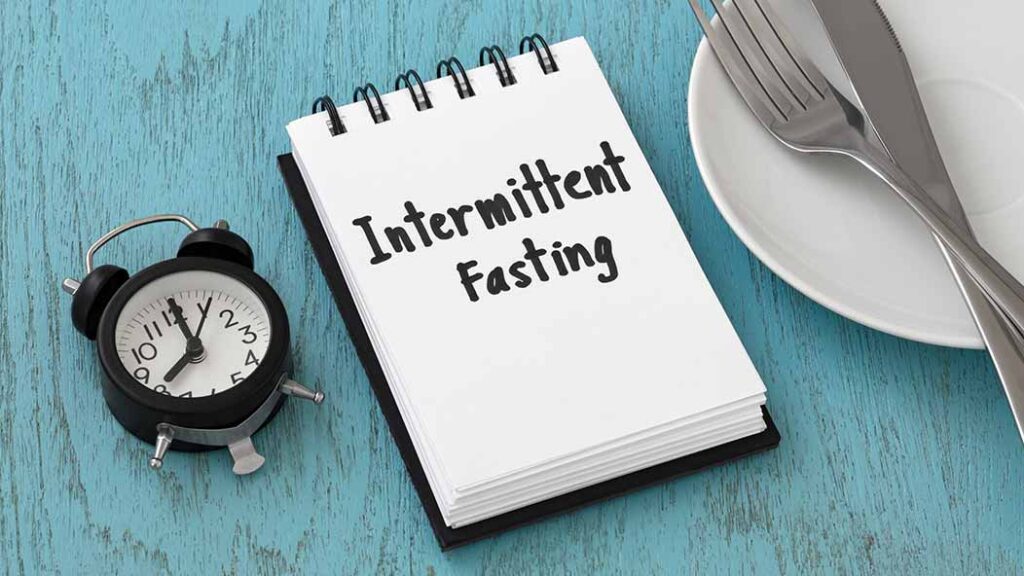
Intermittent fasting has become one of the most talked-about health and nutrition strategies in recent years. Many people are adopting this eating pattern not only for weight management but also for improving overall health and metabolic balance. Unlike traditional diets that focus on what foods to eat, intermittent fasting focuses on when you eat.
The concept of intermittent fasting is simple: it involves cycling between periods of eating and periods of fasting. During the fasting window, the body begins to use stored energy, which can support fat burning and metabolic health. Many individuals choose intermittent fasting as a structured way to regulate eating habits and promote better lifestyle choices.
However, while intermittent fasting offers multiple health benefits, it also has certain risks and limitations. Understanding the benefits of intermittent fasting, the mechanism of intermittent fasting, and the different methods of intermittent fasting is important before adopting this eating pattern. This guide provides a comprehensive overview of intermittent fasting, its advantages, possible risks, and practical approaches to help you decide whether it is suitable for your lifestyle. For individuals monitoring their health while following fasting routines, Specialized Tests in Gurgaon can help assess important health parameters and ensure that the body is responding well to dietary and metabolic changes.

Understanding the Concept of Intermittent Fasting
To understand intermittent fasting, it is important to know that it is not a diet plan but an eating pattern. It does not restrict specific foods but instead determines when meals should be consumed.
Intermittent fasting works by dividing the day or week into two phases: the fasting phase and the eating phase. During the fasting phase, the body does not receive calories, allowing it to use stored energy for metabolic functions.
Common examples of intermittent fasting schedules include fasting for a certain number of hours each day or fasting on specific days of the week. Many people find intermittent fasting easier to follow compared to strict calorie-restricted diets because it allows flexibility in food choices during eating periods.
Another reason intermittent fasting has gained popularity is that it aligns with the body’s natural metabolic rhythms. By reducing constant food intake, intermittent fasting allows the body to enter a metabolic state that supports fat utilization and cellular repair.
Health Advantages Associated with Intermittent Fasting
One of the main reasons people practice intermittent fasting is its potential health benefits. Research and clinical observations suggest that intermittent fasting may positively influence several aspects of health.
Some of the most commonly observed benefits of intermittent fasting include:
• Supports weight management by encouraging the body to burn stored fat during fasting periods.
• Improves metabolic health by helping regulate blood sugar and insulin levels.
• Enhances fat burning because the body shifts from glucose to fat as its primary energy source during fasting.
• May support heart health by improving cholesterol levels and reducing inflammation.
• Encourages better eating habits by limiting late-night or unnecessary snacking.
• Supports cellular repair processes, which are activated during fasting periods.
• May improve mental clarity and focus due to stable blood sugar levels.
Many individuals report feeling more energetic and focused while following intermittent fasting. In addition, intermittent fasting may help reduce excessive calorie intake by naturally limiting eating windows.
Although the benefits of intermittent fasting can be significant, the results vary depending on individual health conditions, lifestyle, and consistency in following the fasting pattern.
How Intermittent Fasting Works Inside the Body
To understand the effectiveness of intermittent fasting, it is important to explore the mechanism of intermittent fasting. When a person eats regularly throughout the day, the body primarily relies on glucose from food for energy.
However, when the body goes without food for several hours during intermittent fasting, it begins to experience certain metabolic changes.
Some key processes involved in the mechanism of intermittent fasting include:
• Reduction in insulin levels which allows the body to access stored fat for energy.
• Increased fat oxidation, meaning the body burns fat more efficiently.
• Activation of cellular repair mechanisms that help remove damaged cells.
• Improved metabolic flexibility, allowing the body to switch between different energy sources.
• Hormonal adjustments that support fat burning and energy balance.
During extended fasting periods, the body gradually transitions from using glucose to using fat stores. This metabolic switch is one of the primary reasons intermittent fasting is associated with weight management and improved metabolic health.
Understanding the mechanism of intermittent fasting helps explain why consistent fasting patterns can support long-term health goals.

Popular Methods of Intermittent Fasting
There are several methods of intermittent fasting, and individuals can choose the approach that best suits their lifestyle. The effectiveness of intermittent fasting often depends on selecting a method that can be followed consistently.
Some of the most common methods of intermittent fasting include:
1. 16:8 Method
This is one of the most popular approaches to intermittent fasting. It involves fasting for 16 hours and eating within an 8-hour window. Many people skip breakfast and eat meals between noon and evening.
2. 14:10 Method
This method is similar to the 16:8 approach but slightly easier for beginners. It involves fasting for 14 hours and eating within a 10-hour window.
3. 5:2 Method
In this approach, individuals eat normally for five days of the week and significantly reduce calorie intake on two non-consecutive days.
4. Alternate Day Fasting
This method involves fasting every other day or significantly reducing calorie intake on fasting days.
5. Eat-Stop-Eat Method
This involves fasting for a full 24 hours once or twice per week.
Each of these methods of intermittent fasting offers flexibility and can be adjusted based on personal health goals and daily schedules. Beginners often start with shorter fasting windows and gradually increase fasting duration.
Potential Risks Linked to Intermittent Fasting
Although intermittent fasting offers several health advantages, it may also present certain risks, particularly if followed incorrectly or without medical guidance.
Some possible risks of intermittent fasting include:
• Low energy levels during the initial adaptation period.
• Headaches or dizziness due to reduced calorie intake.
• Nutritional deficiencies if meals are not well balanced.
• Irritability or mood changes caused by hunger.
• Disrupted eating patterns if fasting leads to overeating during eating windows.
• Sleep disturbances in some individuals.
People with certain medical conditions should be especially cautious. For example, individuals with diabetes, chronic illnesses, or nutritional deficiencies should consult a healthcare professional before starting intermittent fasting.
Understanding the risks of intermittent fasting helps individuals approach this eating pattern in a safe and balanced way.
Important Limitations of Intermittent Fasting
Despite its popularity, intermittent fasting is not suitable for everyone. It has certain limitations of intermittent fasting that should be considered before adopting this lifestyle.
Some key limitations of intermittent fasting include:
• Not appropriate for pregnant or breastfeeding women.
• May not be suitable for individuals with eating disorders.
• Difficult to maintain for people with demanding work schedules.
• Results vary depending on individual metabolism and lifestyle.
• Requires balanced nutrition during eating periods.
Another limitation is that intermittent fasting alone may not produce significant health improvements without other lifestyle changes. Healthy eating habits, physical activity, and proper sleep remain essential components of overall wellness.
Recognizing the limitations of intermittent fasting ensures that individuals maintain realistic expectations and avoid relying solely on fasting for health improvements.

Conclusion
Intermittent fasting has emerged as a popular and effective approach to improving metabolic health and managing body weight. By focusing on timing of meals rather than strict food restrictions, intermittent fasting provides a flexible alternative to conventional dieting methods.
The benefits of intermittent fasting include improved metabolic balance, enhanced fat burning, and better eating discipline. Understanding the mechanism of intermittent fasting reveals how fasting periods encourage the body to utilize stored energy and activate cellular repair processes.
At the same time, it is essential to consider the risks of intermittent fasting and the limitations of intermittent fasting, especially for individuals with specific health conditions or nutritional needs. Choosing the right methods of intermittent fasting and maintaining balanced nutrition can help individuals practice fasting safely and effectively. Regular health monitoring through a trusted Diagnostic Center in Gurgaon can also help track important health indicators and ensure that intermittent fasting is being followed in a safe and balanced manner.
Ultimately, intermittent fasting should be viewed as a supportive lifestyle strategy rather than a quick solution for health or weight loss. When combined with healthy eating habits, regular physical activity, and proper medical guidance, intermittent fasting can contribute to long-term wellness and improved quality of life.