9 Fruits Low In Sugar That Diabetics Can Consume

How to Choose the Best Lab for Blood Tests – Factors to Consider
February 3, 2026
Metabolic Testing: Your Roadmap to Sustainable Health and Lifelong Wellness
February 19, 2026
Managing diabetes does not mean giving up on fruits altogether. Fruits are often misunderstood when it comes to blood sugar control because they contain natural sugars. However, the truth is that not all fruits affect blood glucose levels in the same way. Many fruits are packed with fiber, antioxidants, vitamins, and minerals while still being low in sugar and having a low glycemic load, making them suitable for people with diabetes when eaten in the right portions. Regular monitoring through a reliable blood test lab in gurgaon plays a crucial role in understanding how different fruits impact your blood sugar levels, helping diabetic patients make informed dietary choices and maintain better overall health
This detailed guide on 9 fruits low in sugar that diabetics can consume will help you understand which fruits are safer choices, how they support overall health, and how to enjoy them without compromising blood sugar levels. If chosen wisely, fruits can be a valuable part of a balanced diabetic diet and can even support weight management.
Are Fruits Good For Diabetic Patients
A common question people ask is, are fruits good for diabetic patients? The answer is yes, when consumed mindfully. Fruits provide natural sweetness along with essential nutrients that processed sugary foods simply cannot match. They contain dietary fiber, which slows down digestion and prevents sudden spikes in blood sugar. Fiber also helps improve insulin sensitivity and keeps you feeling full for longer.
Another reason fruits are good for diabetic patients is their rich antioxidant content. Antioxidants help fight inflammation and oxidative stress, both of which are linked to diabetes complications. Fruits also support heart health, which is especially important because people with diabetes are at a higher risk of cardiovascular disease.
However, portion control and fruit selection are crucial. Fruits low in sugar are always a better choice than high-sugar fruits like mangoes, bananas, or grapes. Choosing fruits low in sugar for diabetes allows you to enjoy natural sweetness without guilt while maintaining stable glucose levels.
Below is a List of the Best Fruits for Diabetes and Weight Loss
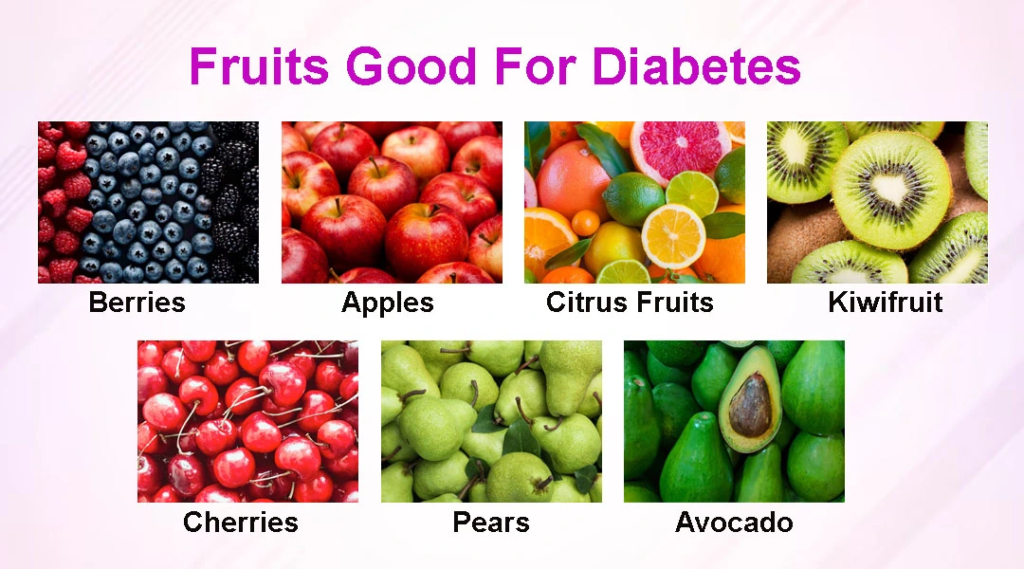
When focusing on fruits for diabetes and weight loss, the goal is to select fruits that are low in sugar, high in fiber, and rich in nutrients. Below is a carefully curated list of 9 fruits low in sugar that diabetics can consume, along with their benefits.
1. Berries (Strawberries, Blueberries, Raspberries, Blackberries)
Berries are among the best fruits for diabetes and weight loss. They are naturally low in sugar and high in fiber and antioxidants.
Key benefits of berries include:
- Low glycemic index, which helps prevent blood sugar spikes
- High fiber content that improves digestion
- Rich in antioxidants that support heart health
Berries can be enjoyed fresh, added to yogurt, or blended into smoothies without added sugar. Their natural sweetness makes them a perfect alternative to sugary desserts.
2. Apples
Apples are a classic example of fruits low in sugar that diabetics can consume when eaten whole. The skin contains soluble fiber, especially pectin, which slows sugar absorption.
Why apples are good for diabetes:
- High fiber content helps control blood sugar
- Helps in weight management by keeping you full
- Easy to include as a snack
Eating apples with the skin and pairing them with a protein source like nuts can further reduce glucose spikes.
3. Pears
Pears are juicy, satisfying, and surprisingly suitable for diabetics. They contain fiber, vitamin C, and potassium while being relatively low in sugar compared to many other fruits.
Important points about pears:
- Slow digestion due to fiber
- Supports gut health
- Helps curb sweet cravings naturally
Pears are one of the most underrated fruits for diabetes and weight loss.
4. Kiwi
Kiwi is a nutrient-dense fruit that fits well into a diabetic diet. It has a balanced amount of natural sugar and plenty of fiber.
Benefits of kiwi for diabetics:
- Low glycemic load
- Rich in vitamin C and antioxidants
- Helps improve digestion and immunity
Kiwi can be eaten alone or added to salads for a refreshing taste.
5. Oranges
Oranges often get a bad reputation due to their sweetness, but whole oranges are actually fruits low in sugar compared to fruit juices. The fiber content in whole oranges helps regulate blood sugar.
Why whole oranges are a smart choice:
- High fiber and water content
- Helps keep you hydrated
- Supports heart health
It is important to eat the whole fruit rather than drinking orange juice, which lacks fiber and can raise blood sugar quickly.

6. Peaches
Peaches are another excellent option among fruits low in sugar that diabetics can consume. They offer natural sweetness with relatively low calories.
Health benefits of peaches:
- Contains vitamins A and C
- Low in calories and sugar
- Helps with digestion
Fresh peaches are preferable over canned peaches, which often contain added sugars.
7. Plums
Plums have a low glycemic index and are known for their digestive benefits. They can satisfy sweet cravings without causing sudden sugar spikes.
Why plums are good for diabetes:
- Supports blood sugar control
- High in antioxidants
- Promotes gut health
Plums can be enjoyed fresh or added to salads for extra flavor.
8. Guava
Guava is a powerhouse fruit, especially popular for diabetes management. It is extremely high in fiber and relatively low in sugar.
Reasons guava is excellent for diabetics:
- Helps regulate blood glucose levels
- Rich in vitamin C
- Supports weight loss due to high satiety
Eating guava with the peel maximizes its fiber content.
9. Papaya (In Moderation)
Papaya, when eaten in controlled portions, can be included among fruits for diabetes and weight loss. It has digestive enzymes that support gut health.
Key points about papaya:
- Contains antioxidants and fiber
- Should be eaten in small portions
- Supports digestion and immunity
Moderation is key to enjoying papaya without affecting blood sugar levels.
Tips for Enjoying Fruits as a Diabetic
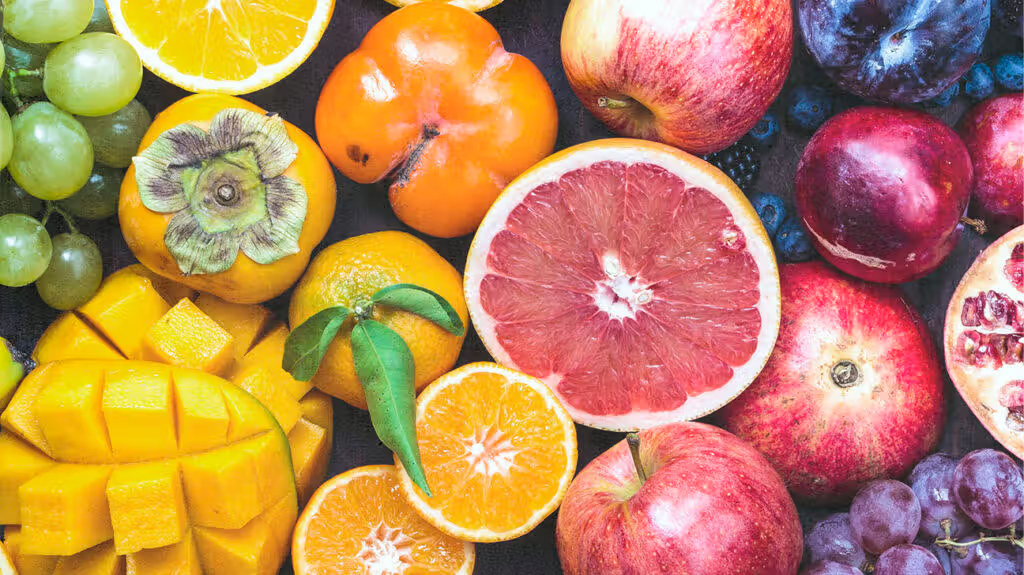
Even when choosing fruits low in sugar, how you eat them matters just as much as what you eat. Following the right strategies can help you enjoy fruits safely and consistently.
Important tips for diabetics include:
- Stick to portion control to avoid excess sugar intake
- Prefer whole fruits over juices or dried fruits
- Pair fruits with protein or healthy fats to slow sugar absorption
- Spread fruit intake throughout the day rather than eating large amounts at once
Monitoring blood sugar levels after eating fruits can help you understand how your body reacts and guide better choices.

Embrace the Sweet Side of Summer
Summer brings an abundance of fresh fruits, and having diabetes does not mean missing out. By focusing on 9 fruits low in sugar that diabetics can consume, you can enjoy seasonal produce while maintaining healthy blood sugar levels. Fruits add color, flavor, and nutrition to your meals and can make healthy eating more enjoyable. Regular health monitoring and timely tests at the best diagnostic center in gurugram help ensure your blood sugar levels stay within a healthy range, allowing you to confidently enjoy seasonal fruits as part of a balanced diabetic lifestyle.
The key is balance. Choosing fruits for diabetes and weight loss, eating them in moderation, and combining them with a healthy lifestyle can make fruits a delicious and safe addition to your daily routine. With mindful choices, you can truly embrace the sweet side of summer without compromising your health.
By understanding which fruits are best and how to include them wisely, you empower yourself to enjoy natural sweetness while supporting long-term diabetes management and overall well-being.