Metabolic Testing Explained: Types, Benefits, and Why It Matters

Female Hormone Test: Procedure, Process, Normal Levels & Results Explained
January 8, 2026
The Role of Blood Tests in the Early Detection of Rheumatoid Arthritis
January 20, 2026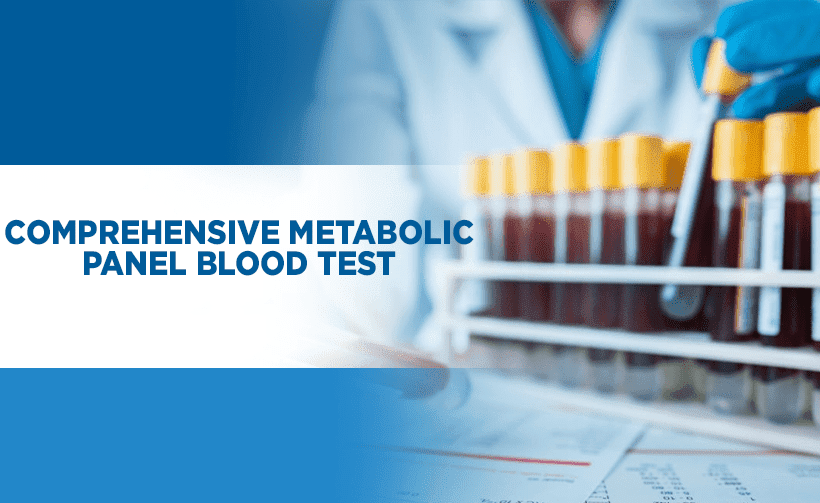
Understanding how your body functions at its core is essential for maintaining long-term health. One of the most powerful tools for gaining insight into your body’s internal processes is metabolic testing. As lifestyle disorders, weight challenges, hormonal imbalances, and chronic fatigue become increasingly common, the importance of metabolic health testing continues to grow. If you want to take a proactive step toward better health, you can book metabolic profile test in gurgaon to get a detailed understanding of your body’s metabolism. This article explains metabolism, metabolic health, metabolic testing, its types, benefits, and why it truly matters for overall well-being.
What is Metabolism?
Metabolism refers to the complex set of chemical reactions that occur within the body to sustain life. These reactions convert the food and drinks you consume into energy that your body uses for essential functions such as breathing, digestion, blood circulation, cell repair, and temperature regulation.
Metabolism operates continuously, even when the body is at rest. It is influenced by several factors including age, genetics, muscle mass, physical activity, and hormonal balance.
Key components of metabolism include:
- Basal metabolic rate (BMR), which represents the energy used at rest
- Thermic effect of food, the energy required to digest and absorb nutrients
- Physical activity, which increases energy expenditure
A healthy metabolism supports energy balance, weight management, and optimal organ function.
What is Metabolic Health?
Metabolic health describes how efficiently the body manages energy production, blood sugar regulation, fat storage, cholesterol balance, and hormone function. Good metabolic health allows the body to maintain stable energy levels and reduces the risk of chronic diseases.
Poor metabolic health is often associated with conditions such as obesity, insulin resistance, diabetes, high blood pressure, and cardiovascular disease. Even individuals who appear physically fit can have underlying metabolic issues.
Signs of poor metabolic health may include:
- Persistent fatigue
- Difficulty losing or gaining weight
- Blood sugar fluctuations
- Hormonal imbalances
- Increased abdominal fat
Maintaining metabolic health is not just about weight but about how well the body performs its internal functions.
What is Metabolic Testing?
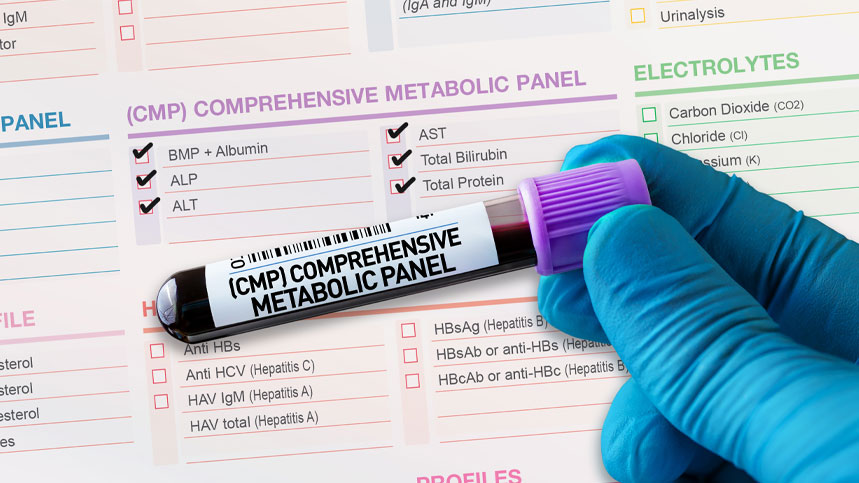
Metabolic testing is a diagnostic approach used to evaluate how efficiently your body converts food into energy and utilizes oxygen. It provides detailed information about calorie needs, fat and carbohydrate usage, and overall metabolic efficiency.
Unlike general health tests, metabolic health testing focuses on identifying imbalances that may not show immediate symptoms but can impact long-term wellness. These tests help create personalized health, nutrition, and fitness strategies based on individual metabolic responses.
Metabolic testing is commonly used for:
- Weight management planning
- Identifying metabolic disorders
- Improving athletic performance
- Managing chronic health conditions
- Optimizing nutritional intake
Why is Metabolic Health Testing Important?
Metabolic health testing plays a vital role in preventive healthcare. It allows early detection of metabolic dysfunction before it progresses into serious disease.
Important benefits include:
- Personalized health insights rather than generic recommendations
- Early identification of metabolic imbalances
- Improved weight management strategies
- Better control of blood sugar and lipid levels
- Enhanced energy and physical performance
Metabolic testing helps individuals understand how their body uniquely responds to food, exercise, and lifestyle habits. This knowledge enables informed decisions that support long-term metabolic health.

Where To Get Metabolic Testing Done?
Metabolic testing can be conducted at hospitals, diagnostic centers, wellness clinics, and specialized metabolic laboratories. It is usually supervised by healthcare professionals who interpret results accurately and recommend appropriate interventions.
When choosing a testing facility, consider:
- Availability of trained medical professionals
- Use of standardized testing equipment
- Detailed result interpretation and counseling
- Follow-up support for lifestyle or treatment plans
Reliable metabolic health testing ensures accurate data, which is essential for effective health planning.
Types of Metabolic Tests
There are several types of metabolic tests, each designed to assess different aspects of metabolic function. The most common types include:
Resting Metabolic Rate Test
This test measures how many calories the body burns at rest. It helps determine daily calorie needs and supports personalized nutrition planning.
Basal Metabolic Rate Test
Basal metabolic rate testing evaluates the minimum energy required to maintain vital bodily functions. It is useful for understanding metabolic efficiency.
Glucose Metabolism Tests
These tests assess how effectively the body regulates blood sugar levels and identifies insulin resistance or diabetes risk.
Lipid Profile Tests
Lipid testing measures cholesterol and triglyceride levels, providing insights into fat metabolism and cardiovascular risk.
Hormonal Metabolic Tests
Hormonal evaluations focus on thyroid hormones, cortisol, and insulin, which significantly influence metabolic health.
Body Composition Analysis
This test measures muscle mass, fat mass, and water distribution, helping evaluate metabolic balance beyond body weight.
Each type of metabolic testing contributes valuable information about metabolic health and overall physiological performance.
Things to Keep in Mind Before Metabolic Tests
Proper preparation ensures accurate metabolic testing results. Certain factors can influence outcomes, so following guidelines is essential.Before undergoing metabolic health testing:
- Follow fasting instructions if advised
- Avoid strenuous exercise before testing
- Limit caffeine and alcohol intake
- Inform healthcare providers about medications
- Ensure adequate sleep prior to the test
Being prepared allows the test to reflect true metabolic function and ensures reliable data for interpretation.

Conclusion
Metabolic testing is a powerful tool for understanding the body’s energy systems and maintaining long-term wellness. By evaluating metabolism and metabolic health, individuals gain personalized insights that support better nutrition, improved fitness, and disease prevention. If you want accurate and reliable results, it is recommended to visit the best pathology lab in Gurugram for professional metabolic testing. With rising lifestyle-related health issues, metabolic health testing has become more relevant than ever. It empowers individuals to take control of their health through informed decisions rather than guesswork. Whether for weight management, chronic disease prevention, or overall vitality, metabolic testing at the best pathology lab in Gurugram plays a crucial role in modern healthcare.
FAQS
What is metabolic testing?
Metabolic testing evaluates how efficiently your body converts food into energy and uses oxygen, helping identify metabolic imbalances.
Why is metabolic health important?
Good metabolic health ensures proper energy use, stable blood sugar, hormonal balance, and reduces the risk of chronic diseases.
What are the types of metabolic tests?
Common types include resting metabolic rate, basal metabolic rate, glucose metabolism, lipid profile, hormonal tests, and body composition analysis.
Who should get metabolic testing?
Anyone wanting to manage weight, optimize fitness, improve energy, or detect metabolic imbalances early can benefit from metabolic testing.
Where can metabolic testing be done?
It can be done at hospitals, wellness clinics, diagnostic centers, or specialized metabolic laboratories under professional supervision.
How should I prepare for a metabolic test?
Follow fasting instructions, avoid strenuous exercise, limit caffeine and alcohol, get enough sleep, and inform doctors about medications.